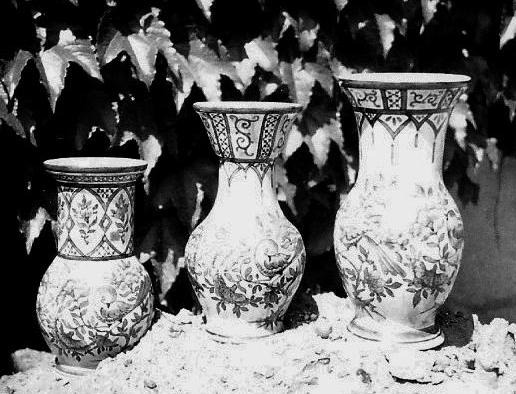
The Forah workshop after war
1945-1956
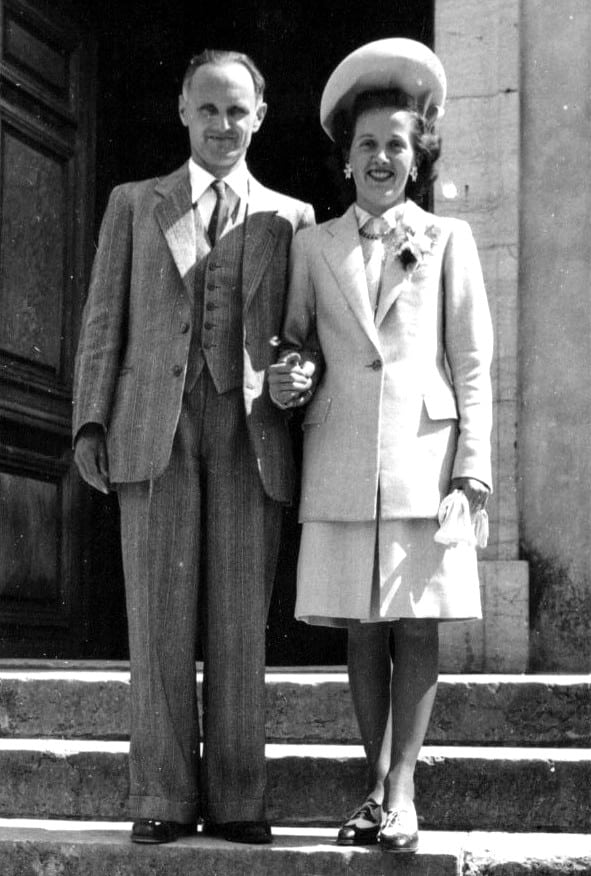
Marriage of René Anchierri and Anne-Marie Paturel in 1945
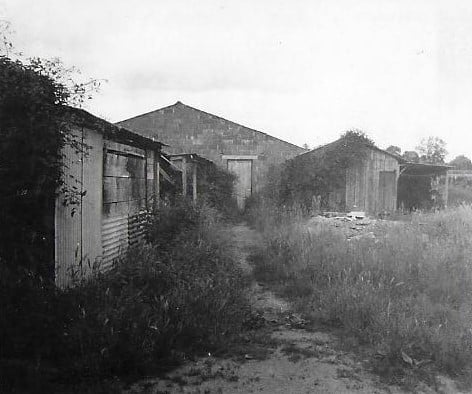
René Anchierri, officially demobilized on June 6, 1945, married Anne-Marie Paturel in Annecy on June 28, 1945.
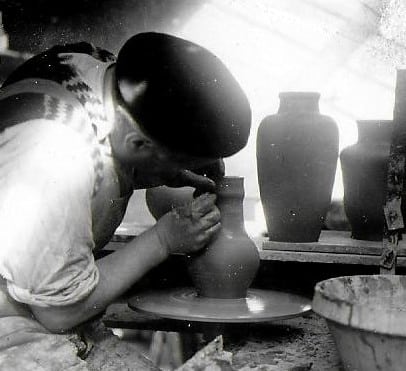
He returned to Forah's abandoned workshops and resumed production.
His young wife will follow him to Orléans and help him restart his factory.
Daughter of merchant, she will be able to support him effectively.
They set up their first accommodation in the company's premises. They will remain there until 1949.
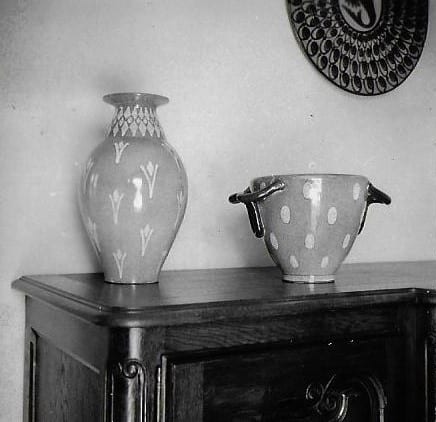
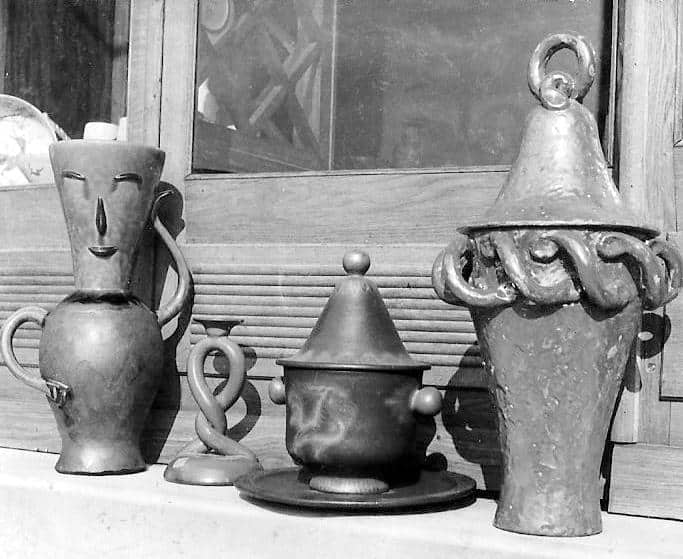
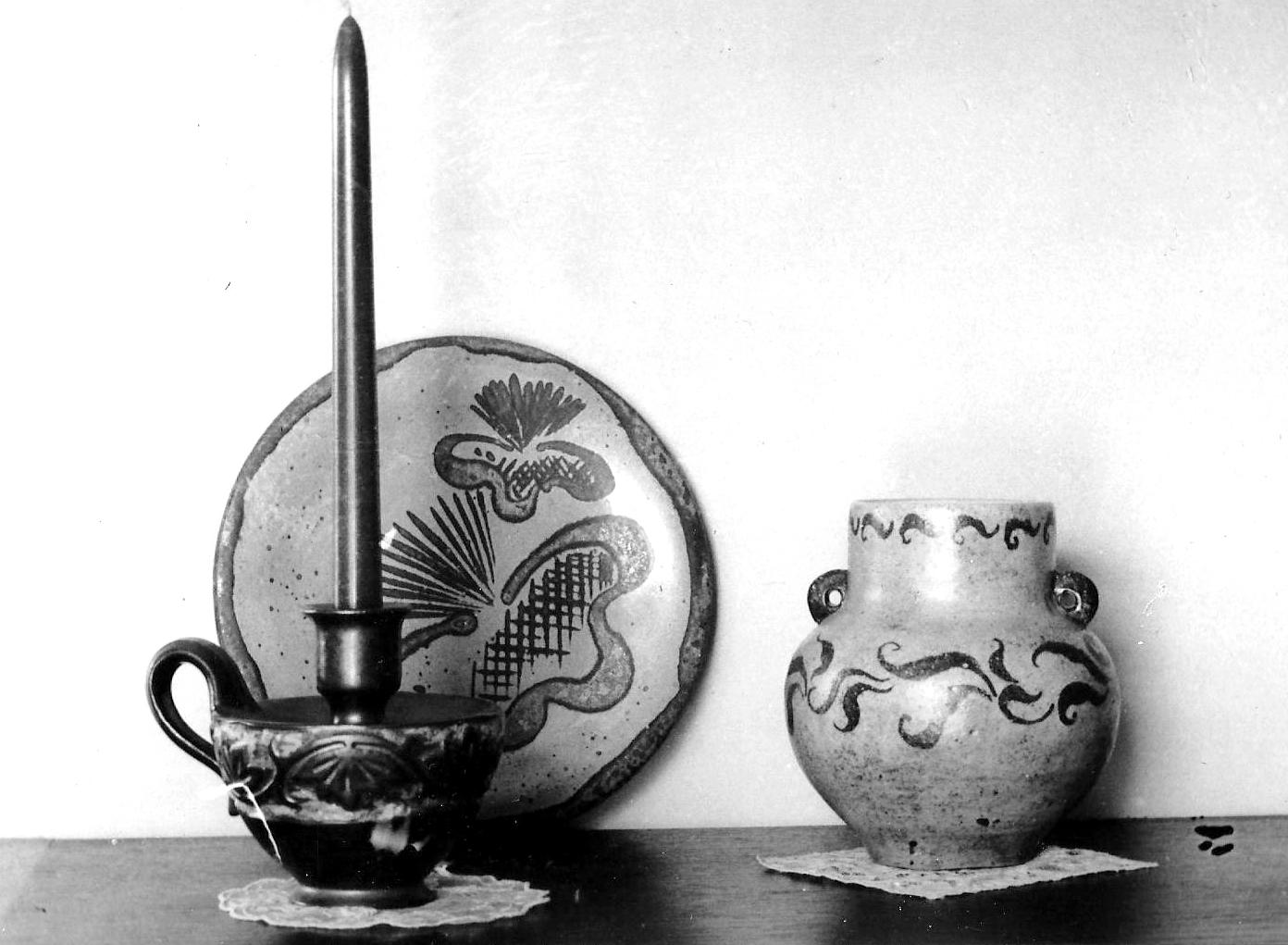
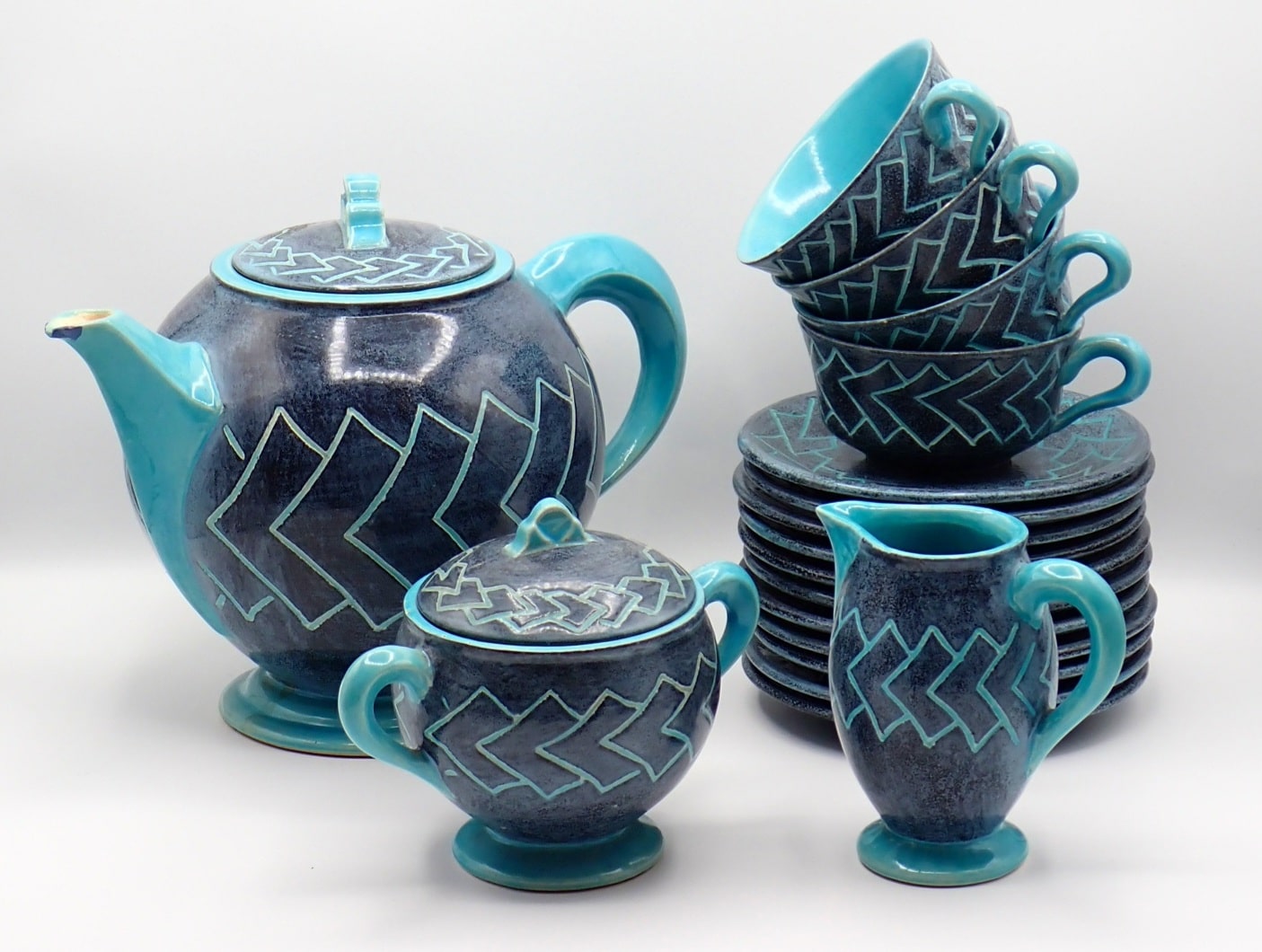
Ceramics produced in 1946,
photo archive
Each year, the ceramicist creates a new collection distributed in France and in the department stores of Paris through catalogues and its representatives.
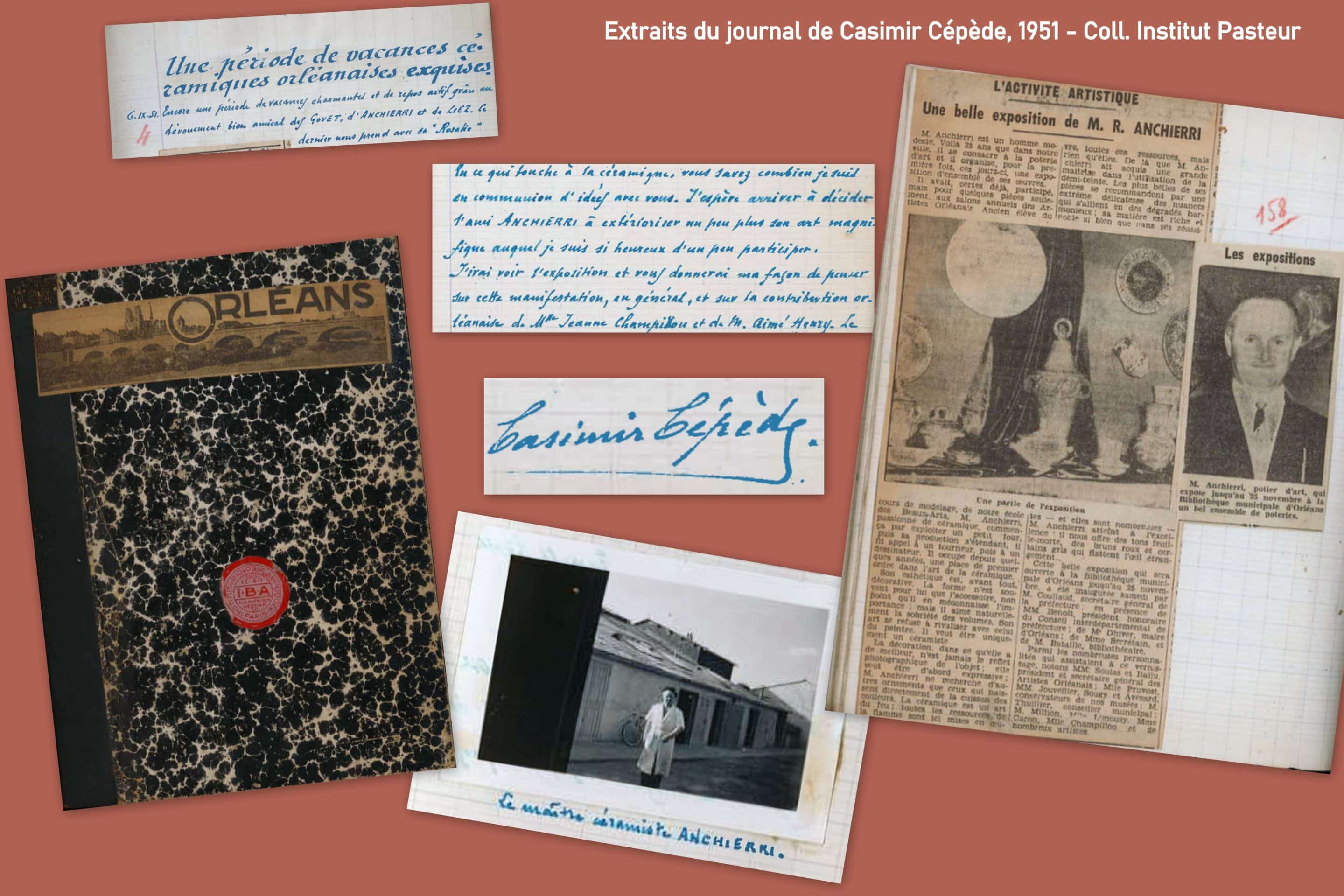
In 1948, through the Gouet, friends of the Anchierri, he met the zoologist and biologist Casimir Cepede. The latter is invited for a holiday by the Gouet family, whom he regularly visits. Curious of everything, passionate about art, he attends ceramic exhibition fairs in Paris and Orléans, and is enthusiastic about the work of Anchierri, which he transcribes in the newspaper he writes daily.
From this meeting will follow a friendship, visits and correspondence for several years.
Casimir Cepede
1882-1952
Casimir Cepede in 1928 Source gallica.bnf.fr
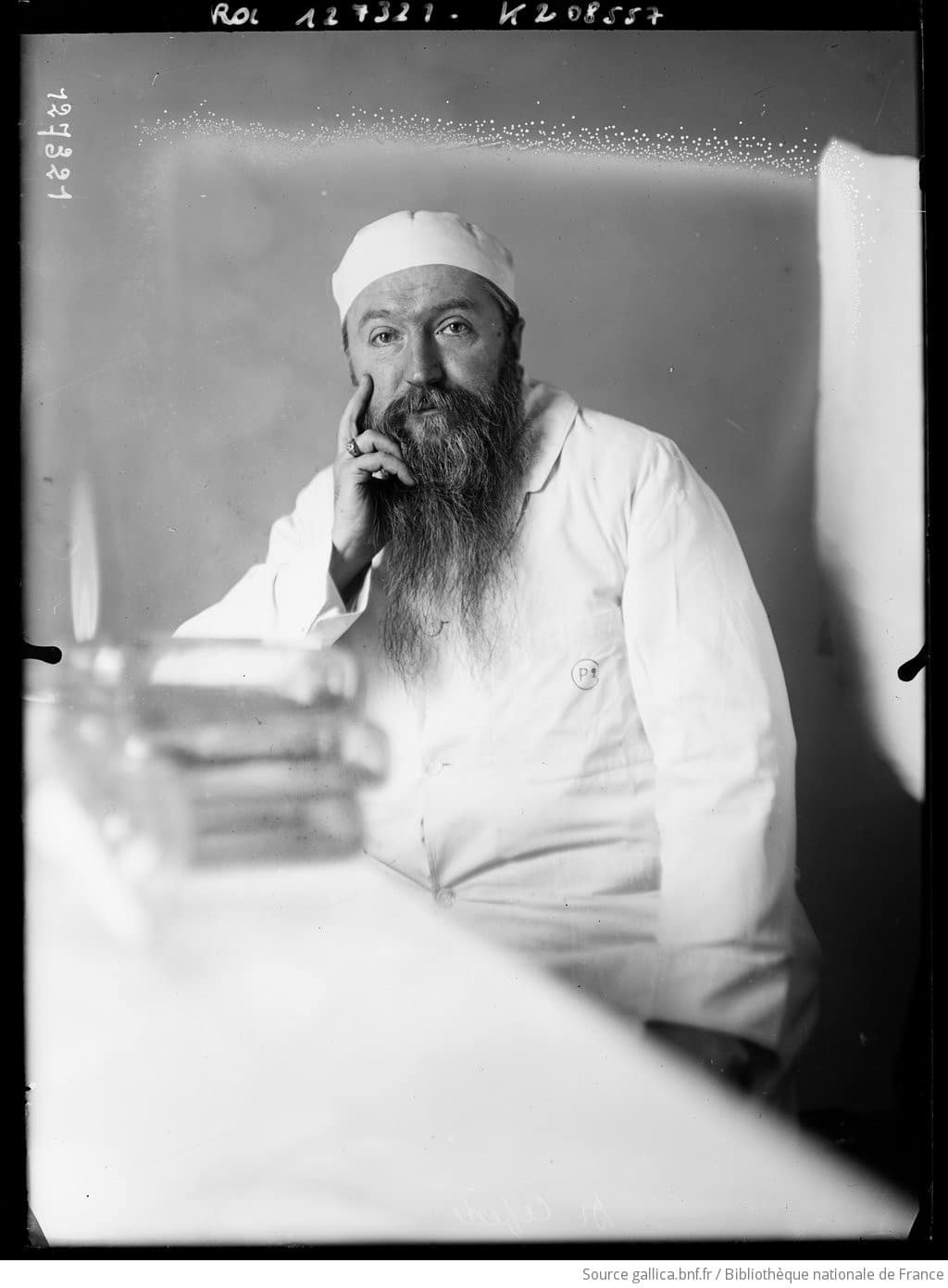
Casimir Cepede in 1928 Source gallica.bnf.fr
Born into a family of modest artisans, he was born in Cannes in 1882. An excellent pupil of the Ecole normale d'instituteurs de Nice, he obtained in 1902 the certificate preparatory to medical studies, nevertheless opted for the natural sciences: at the Faculty of Sciences of Grenoble, where he was in charge of the fish farming service, he attended the courses of Rémy Perrier.
His journey is then made between applied biology (to marine fisheries) and zoology, leading him to the zoological station of Wimereux, led by Alfred Giard. He remained there for 4 years (1908-1912), defended his doctoral thesis in natural sciences (Research on Astom Infuses) in 1909 while founding a family and strongly involving in local social life.
A scholarship allowing him to integrate the zoology laboratory of the Sorbonne in 1912, he again crossed the steps of Rémy Perrier, like which he studied a maritime exploratory mission, that of Charcot, and more particularly the plankton harvested.
The First World War played a decisive role in his career: he was a volunteer in Val-de-Grâce, an ambulant trainer, and developed atoxic vaccines (antituberculosis, influenza control) that he manufactured in a laboratory at his own expense and distributed free of charge on request.
At the same time, he became a zoologist assistant at the Faculty of Sciences in Paris, and his teaching skills earned him the recognition of both his peers and his students. In 1919, Cepéde founded and directed (until his death) the Institute of Applied Biology.
This art enthusiast, great friend of Antoine Bourdelle and Francis Gémier, curious about technical innovations, amateur of photography and cinema, firmly believes in the educational mission of the media: also, from the end of the conflict, he participates with Doctor Toulouse in the selection of documentary films on behalf of the scientific service of the firm Pathé frères.
Moreover, his pacifist, progressive and humanist convictions lead him to many commitments (caisses des écoles, association of first aiders, activism for cremation, fight against inequalities...).
Socialist and internationalist, member of the League of Human Rights, Freemason, Freethinking, Casimir Cépède died in Paris on 23 December 1954.
His archives are deposited at the Institut Pasteur and at the Office Universitaire de Recherche Socialiste (TOURS).
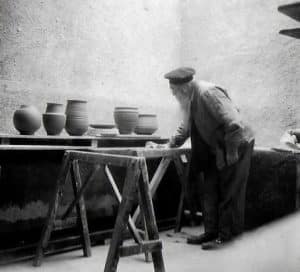
Casimir Cepede in the Forah workshop
1949
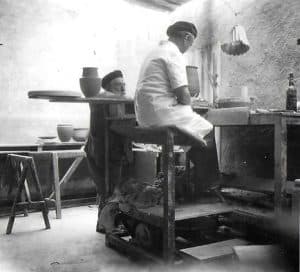
With René Anchierri
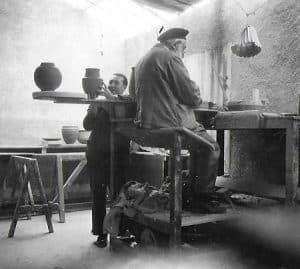
The Professor and their Common Friend
Mr. Gouet
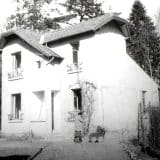
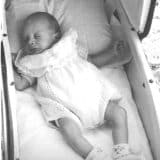
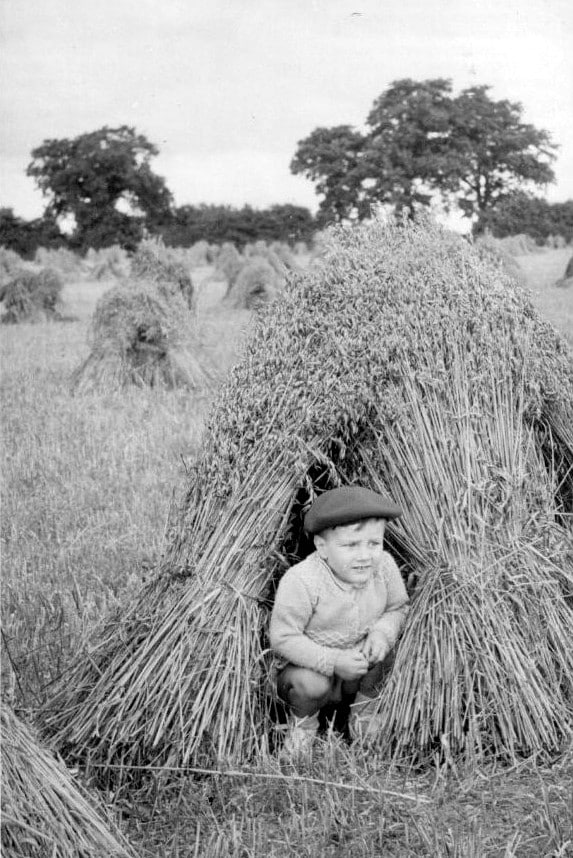
1949 was a particularly important year for the Anchierri, since June 18 saw the birth of their son Peter. (photo opposite)
They buy a house in the Mouillère district, near the Registrar Street to settle there with their a few weeks old son.
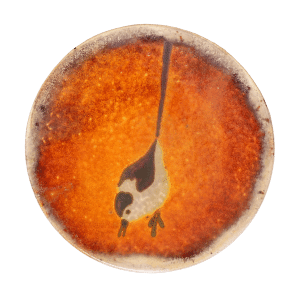
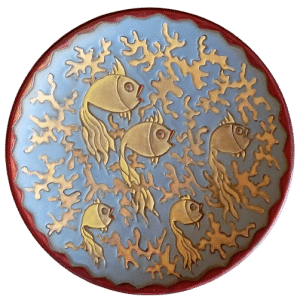
"With regard to ceramics, you know how much I am in communion with you. I hope to manage to decide the friend Anchierri to outsource a little more his magnificent art in which I am so happy to participate a little."
"It is necessary at all costs that Anchierri shows himself and shows us because the unique pieces abounded in this salon, some of which closely recall his beautiful creations. If he doesn't expose them as the 3rd trade show ends, we might say he copied his colleagues."
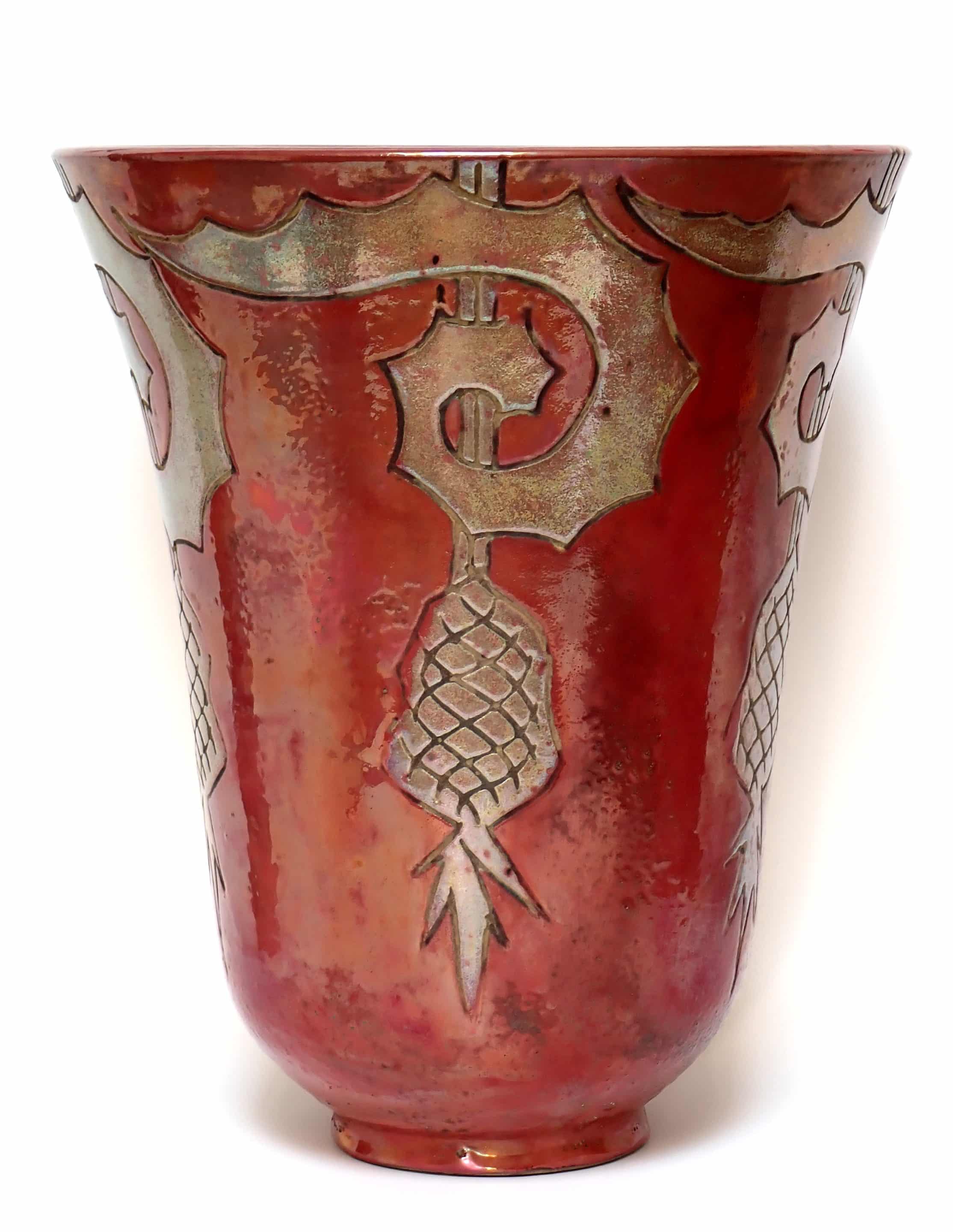
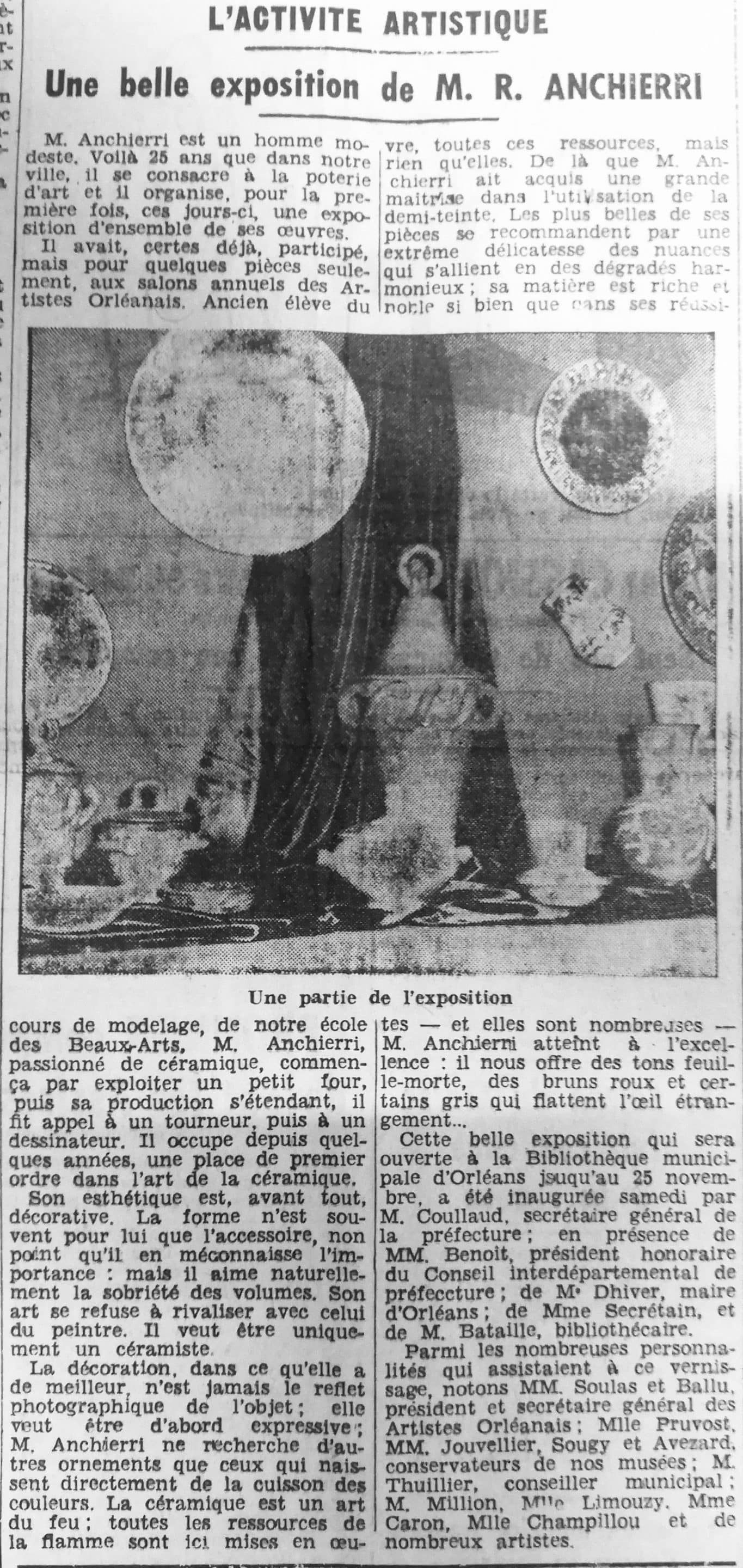
These encouragements will be echoed, since in November 1951, on the occasion of his 25 years of installation and exercise in the city, Anchierri exhibited 200 unique pieces out of his workshop at the municipal library of Orleans rue Dupanloup, in front of which more than 3000 people will come in 8 days. See Here IArticle Republic of the Centre Nov. 1951.
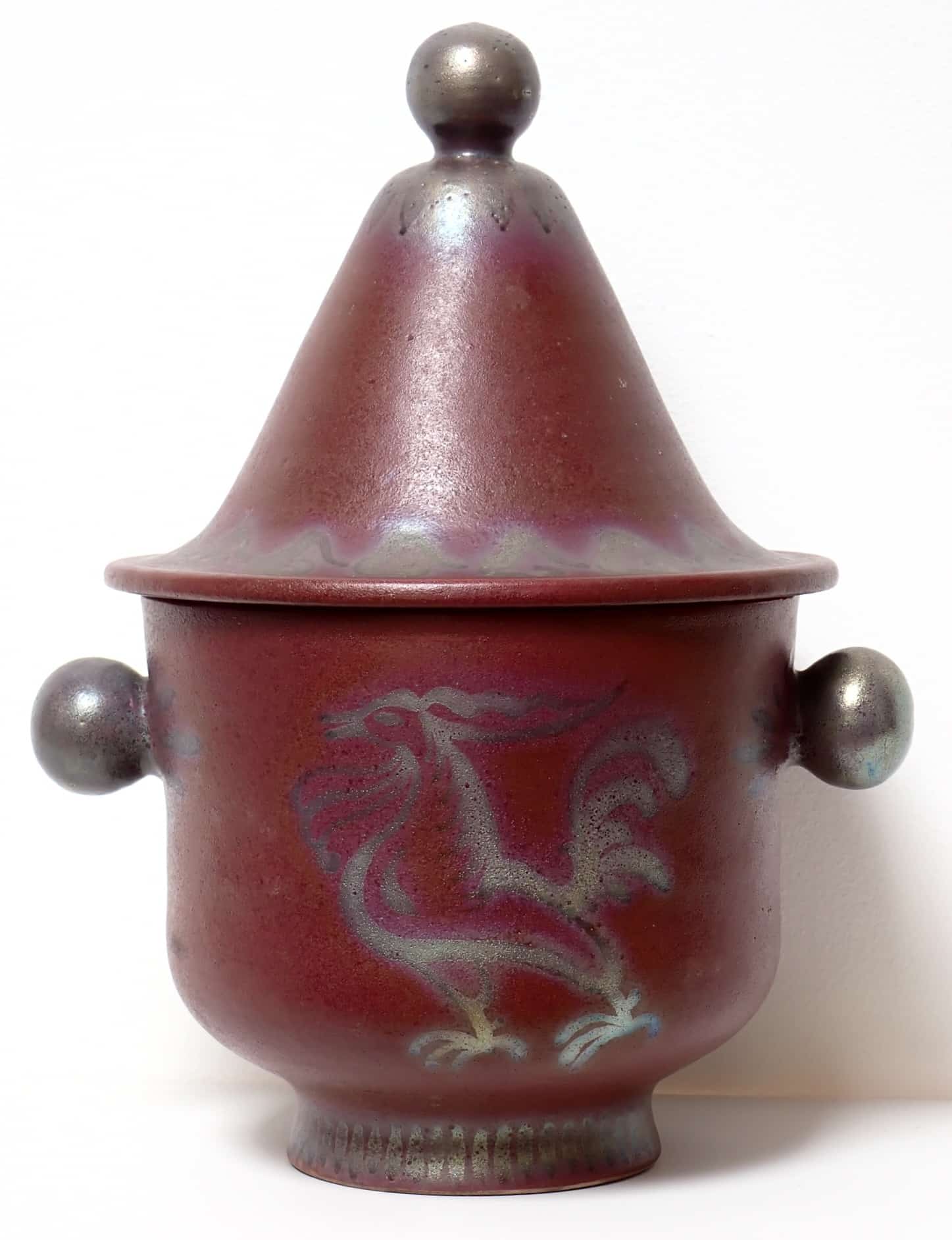
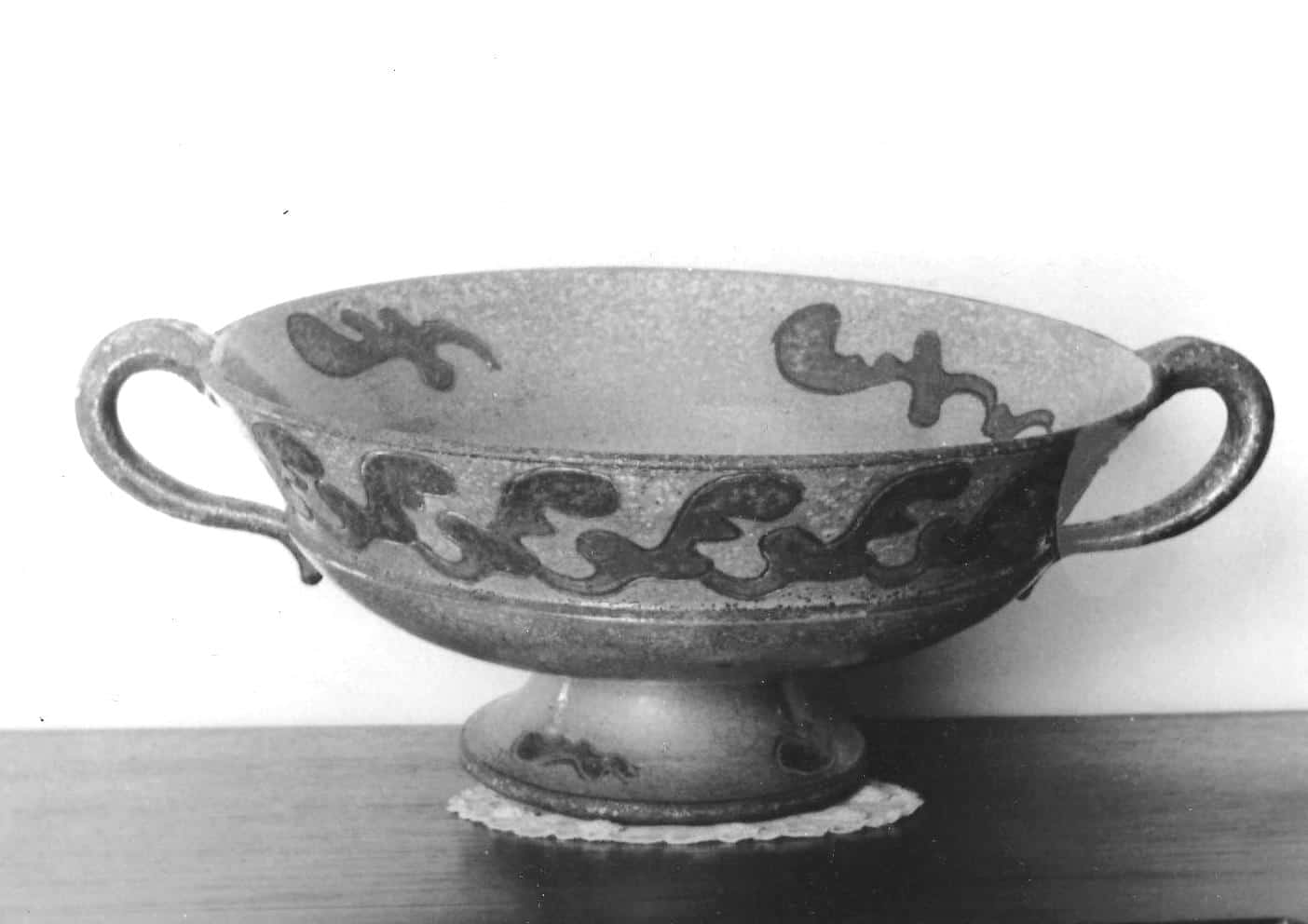
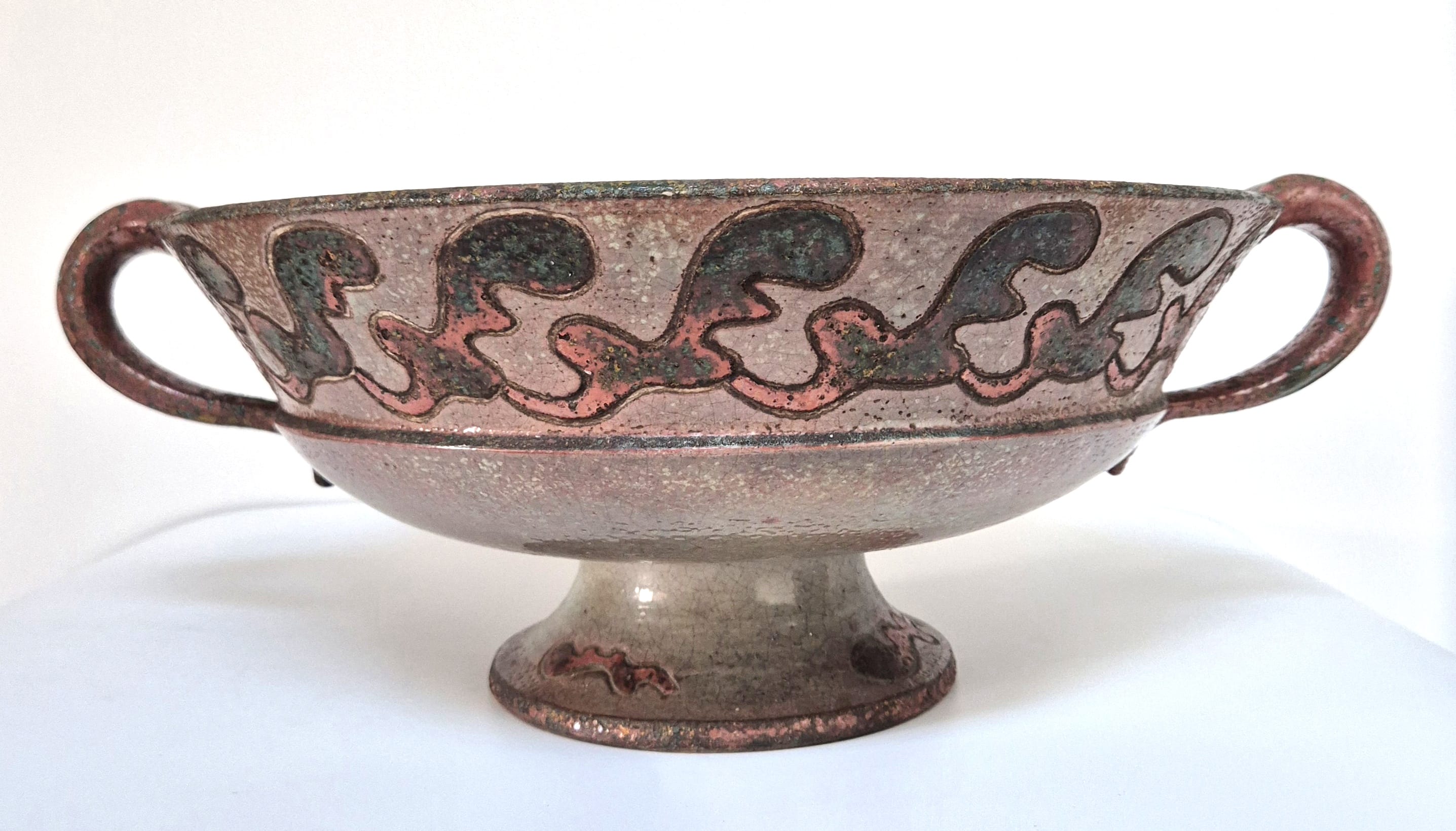
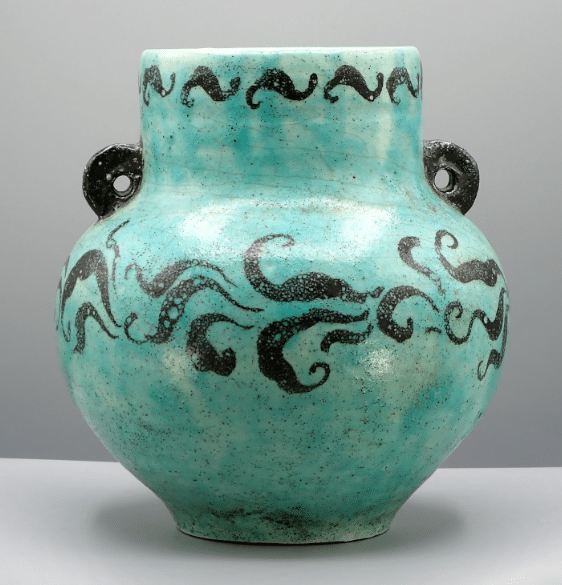
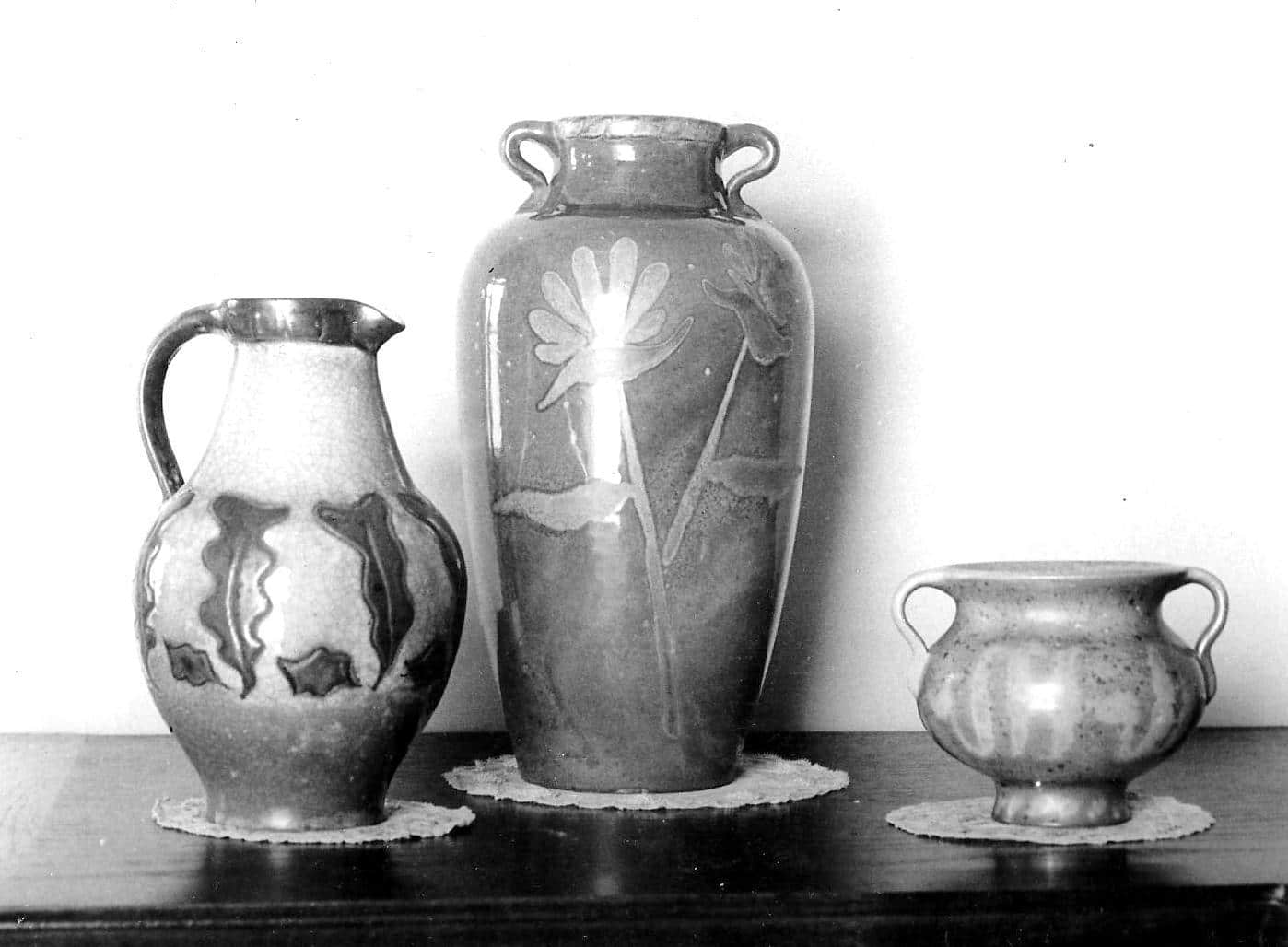
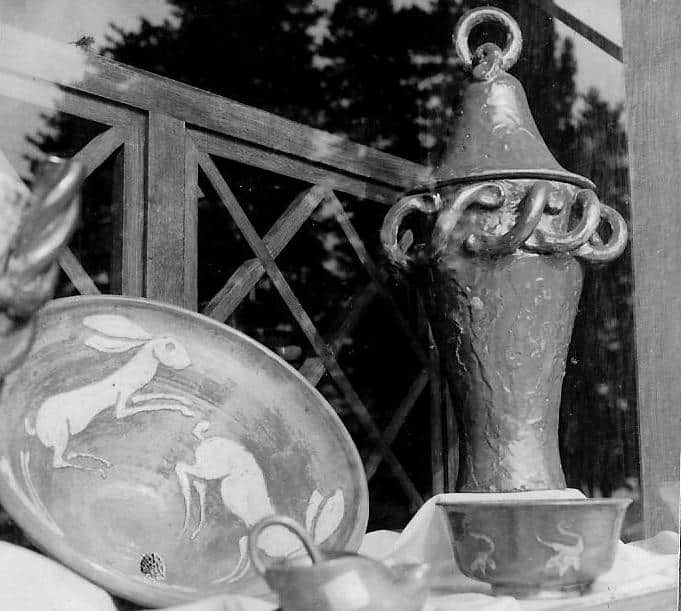
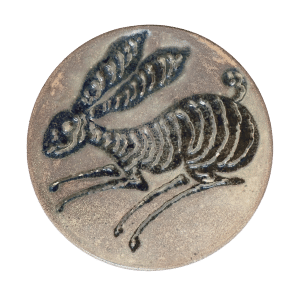
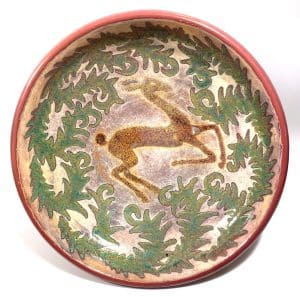
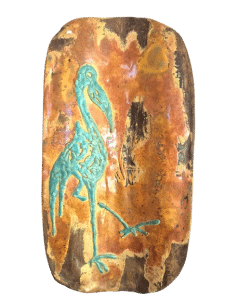
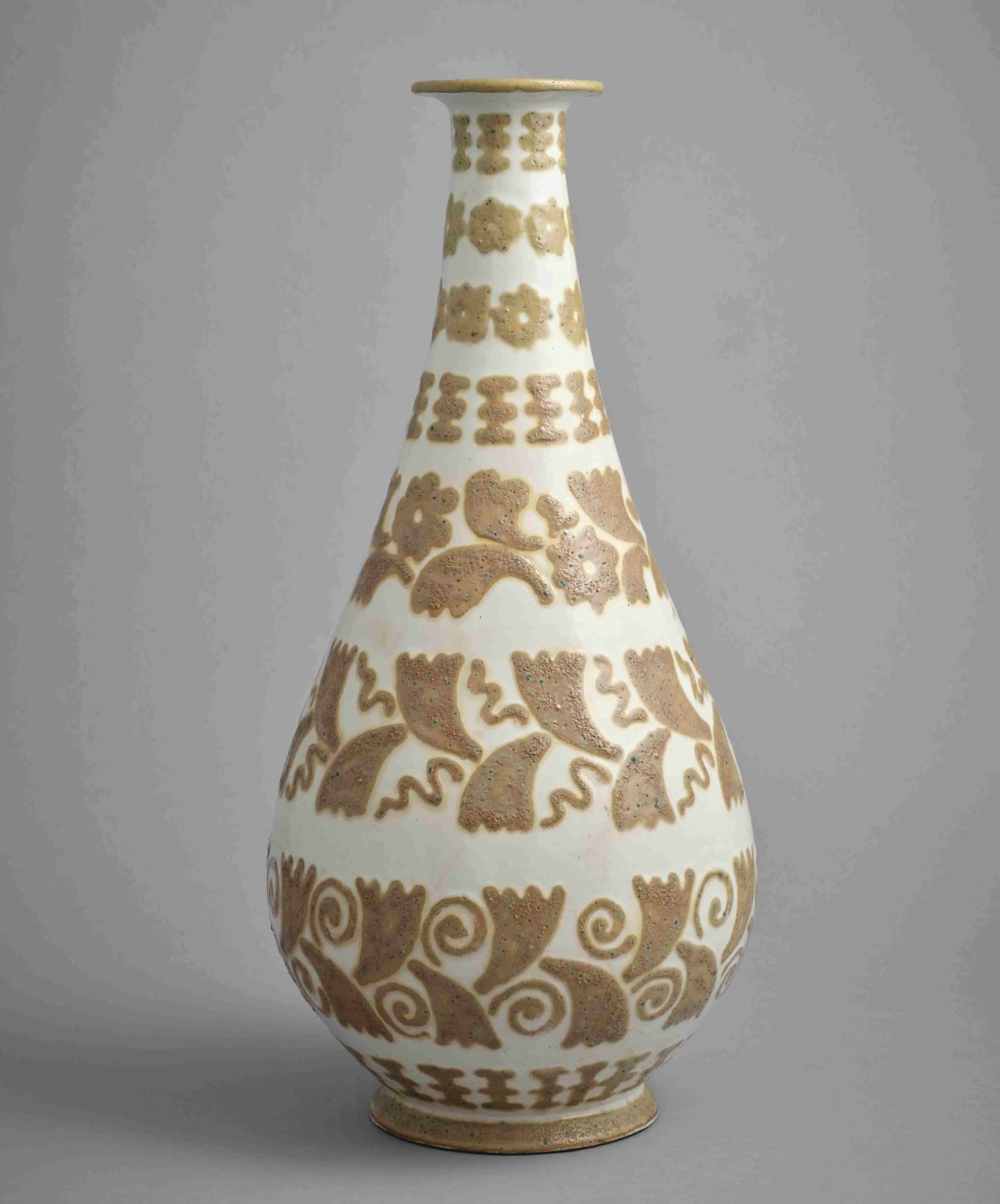
On this occasion, he shows the great diversity of his inspiration, with vases, urns, dishes, plates and hang plates, with a wide variety of style and décor representing various creative periods.
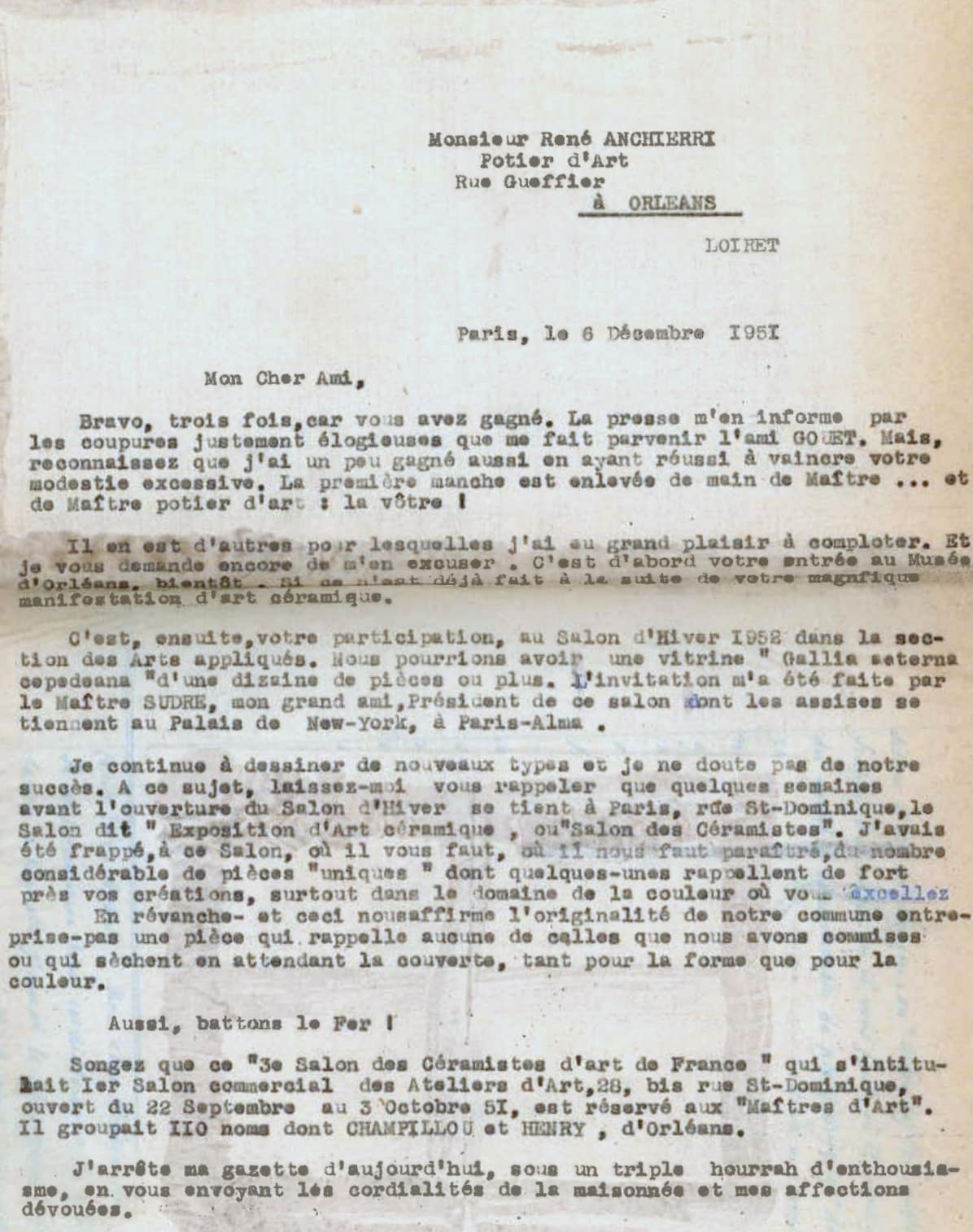
 He is warmly congratulated and encouraged by Professor Cépede for this success in a letter of 6 December 1951 to read Here.
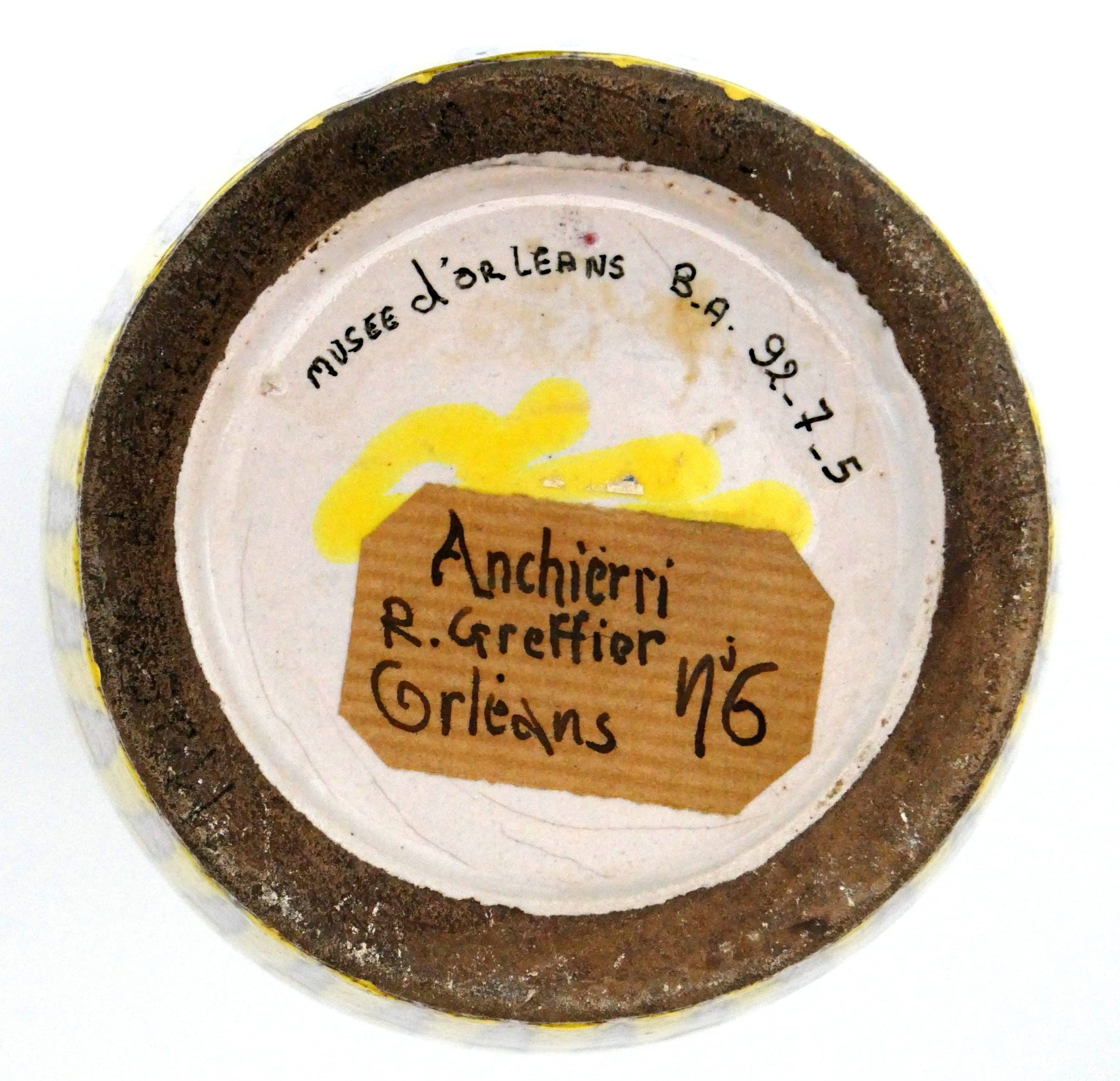
Some of his works will later be offered at the Musée des Beaux-Arts d'Orléans. One can notice on some, their exposure labels.
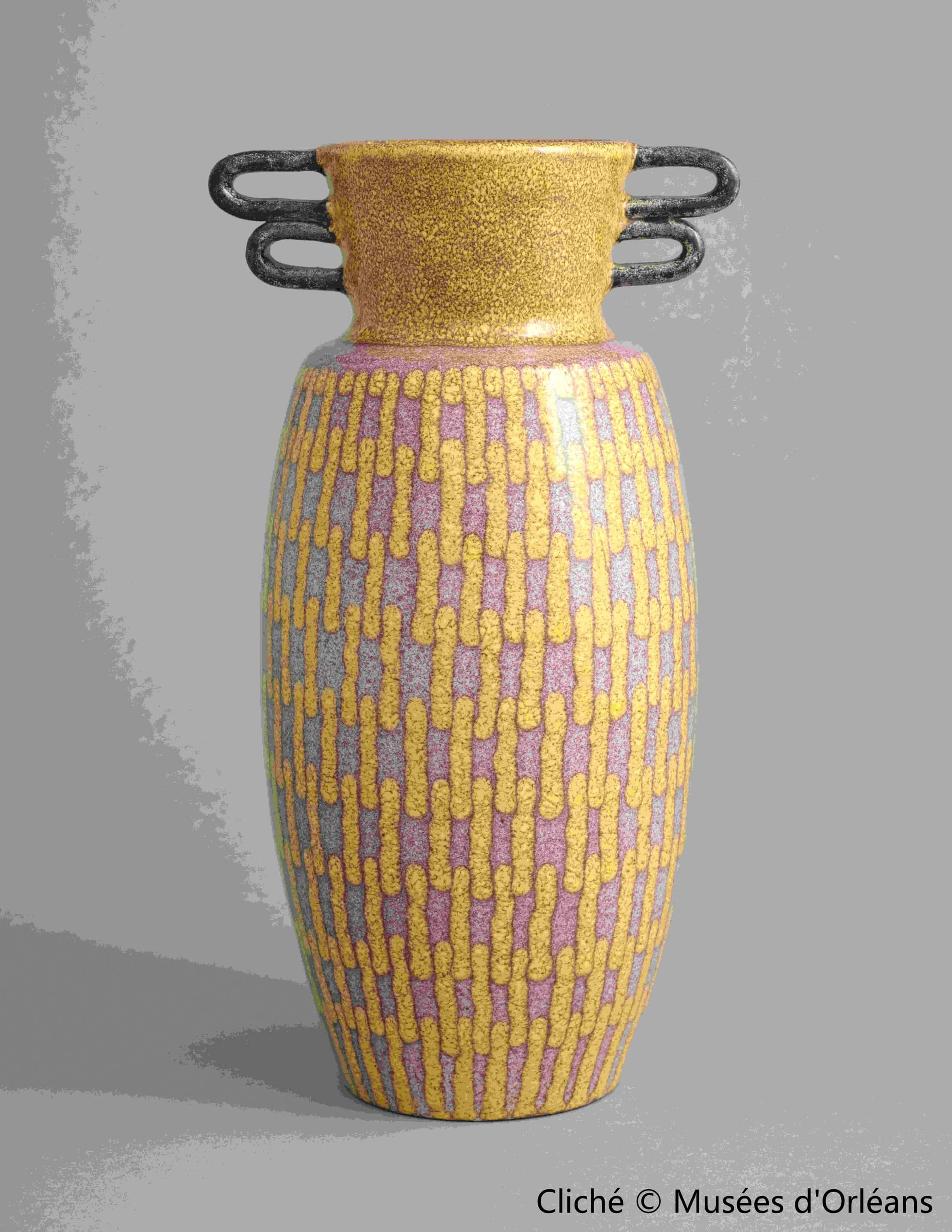
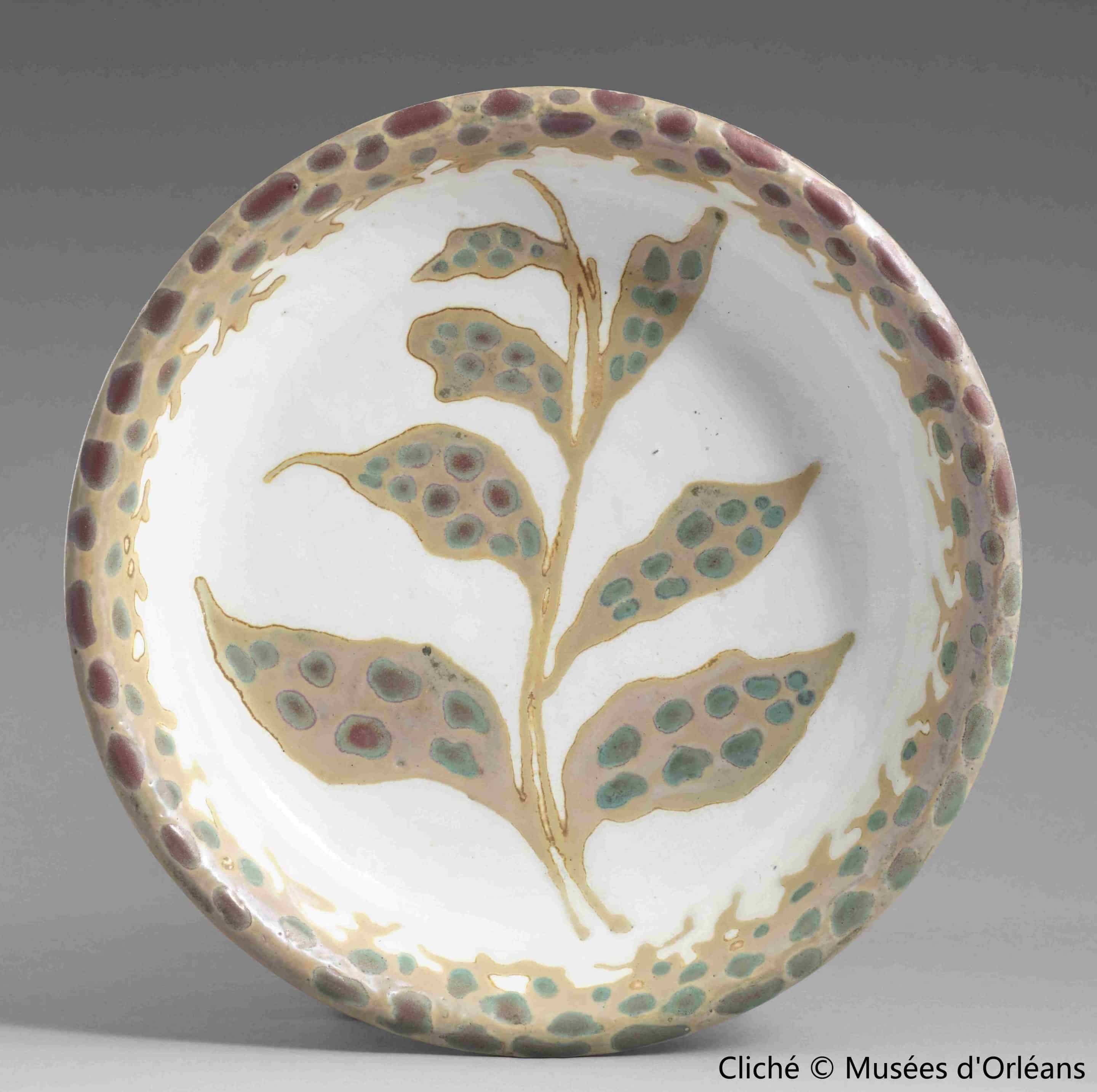
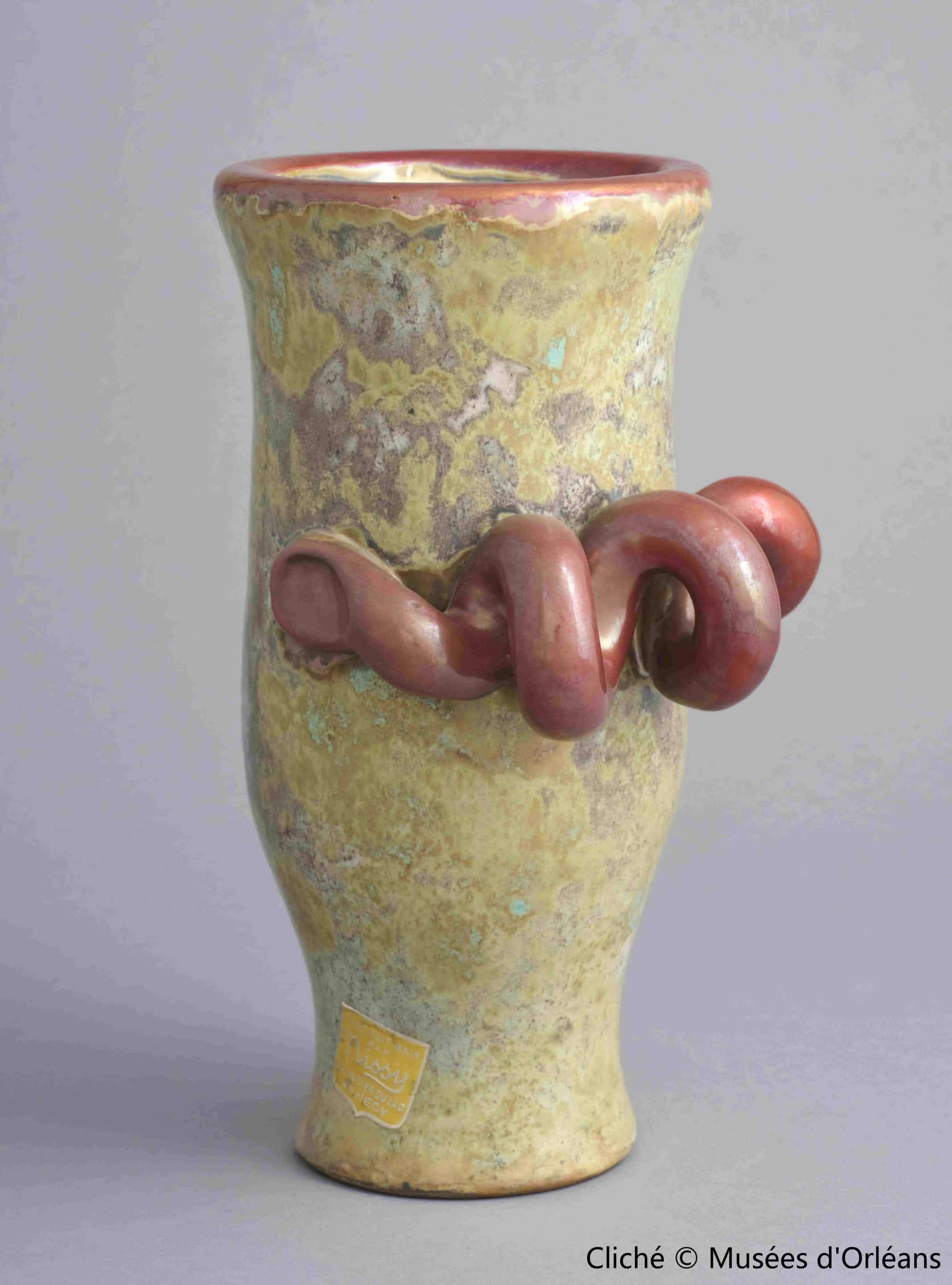
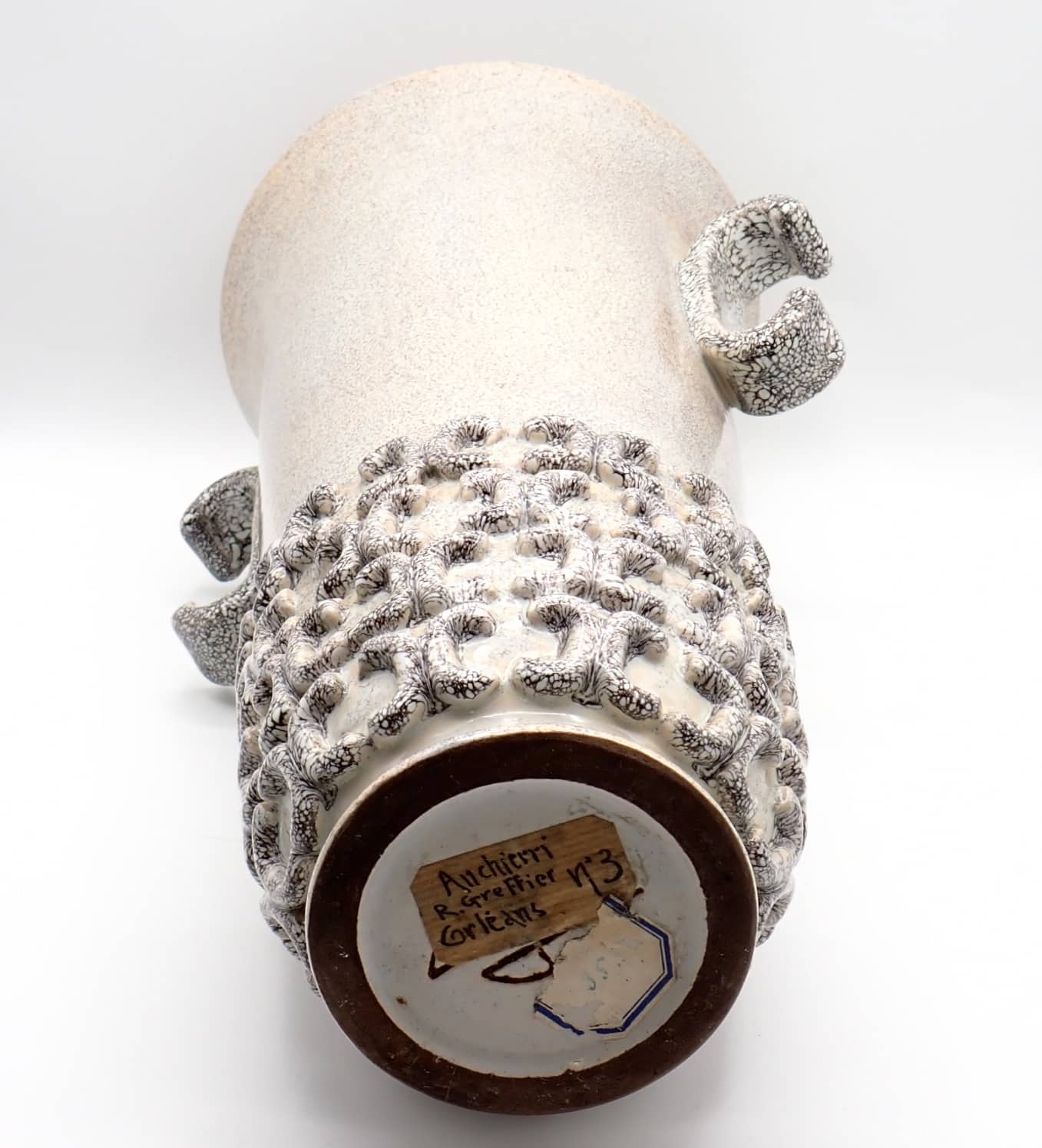
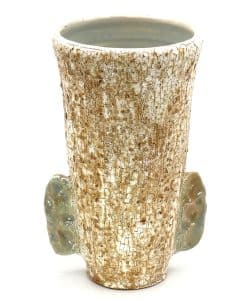
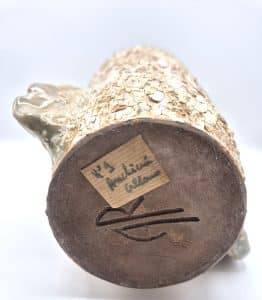
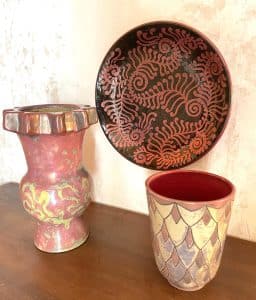
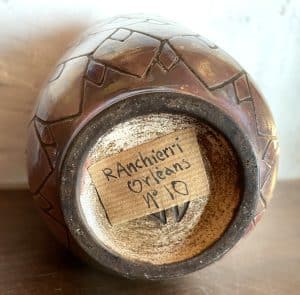
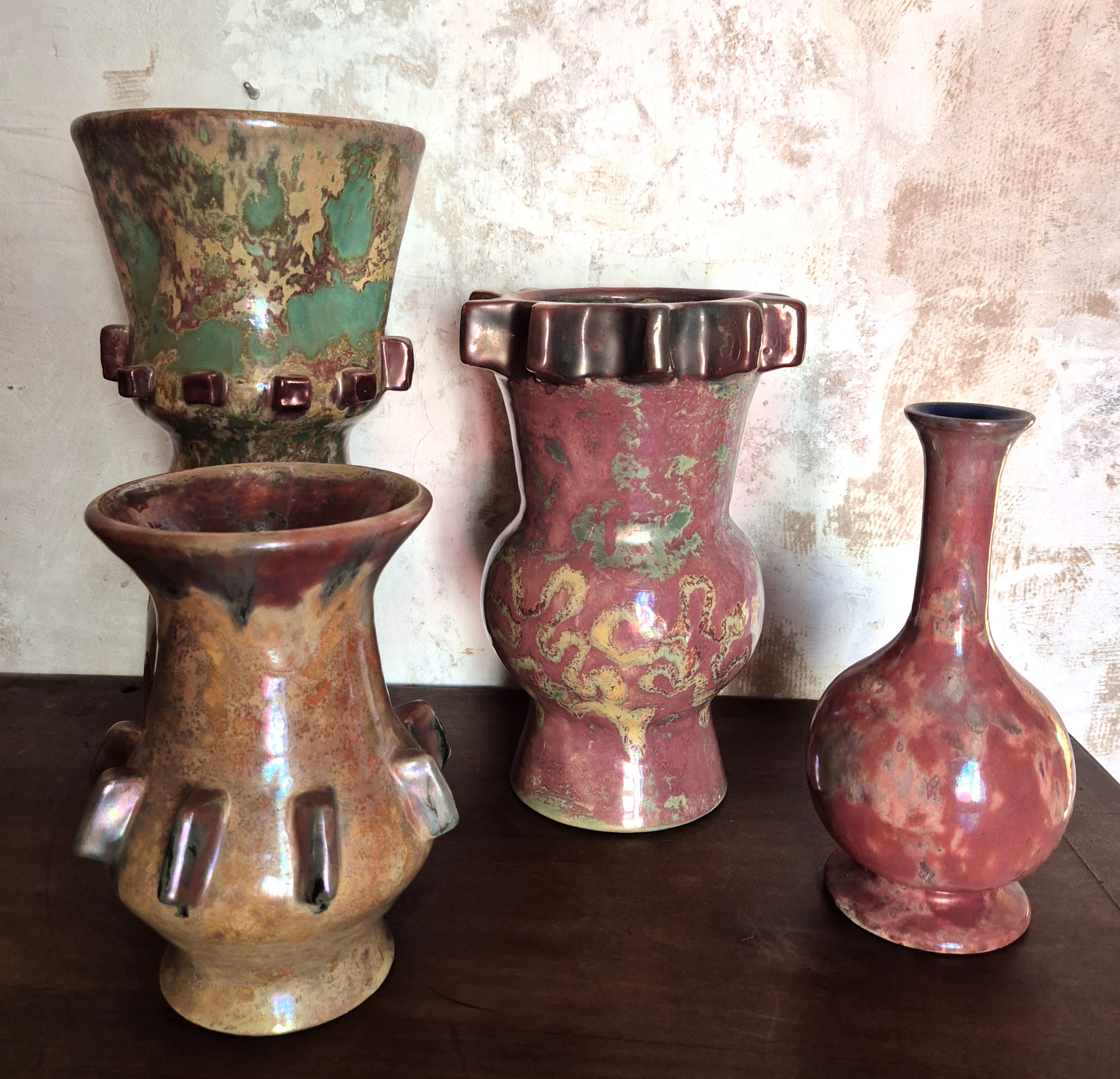
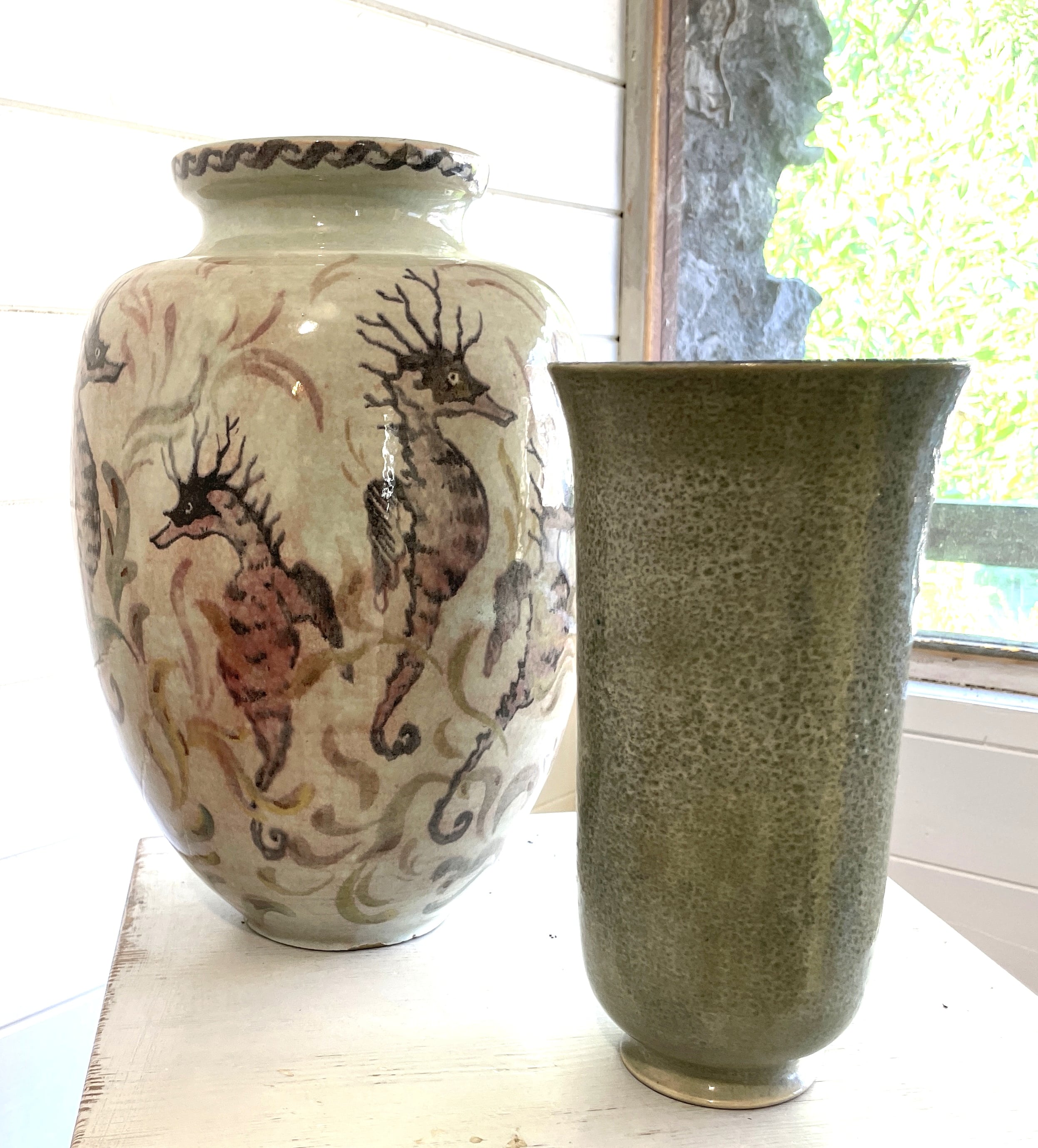
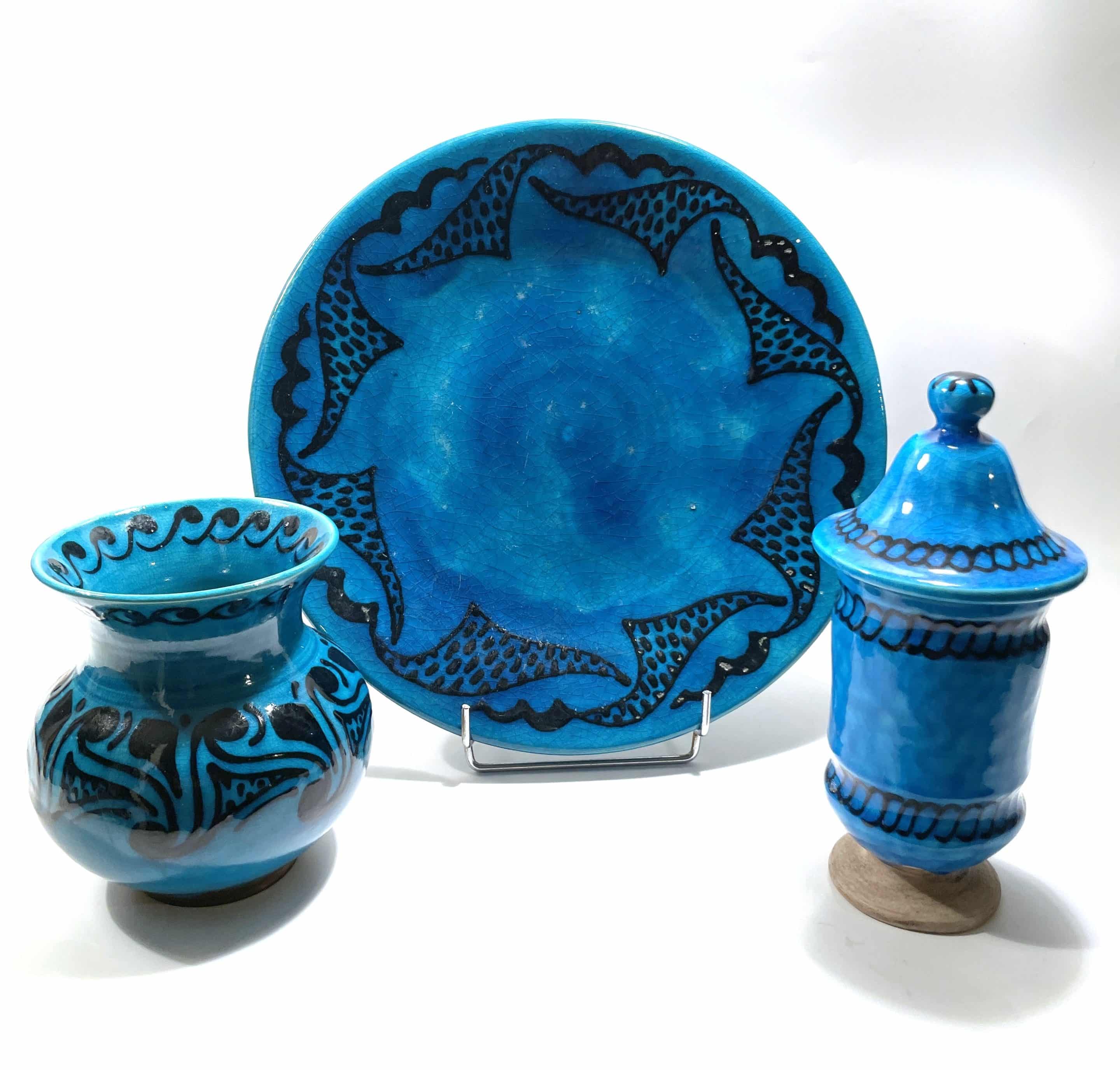
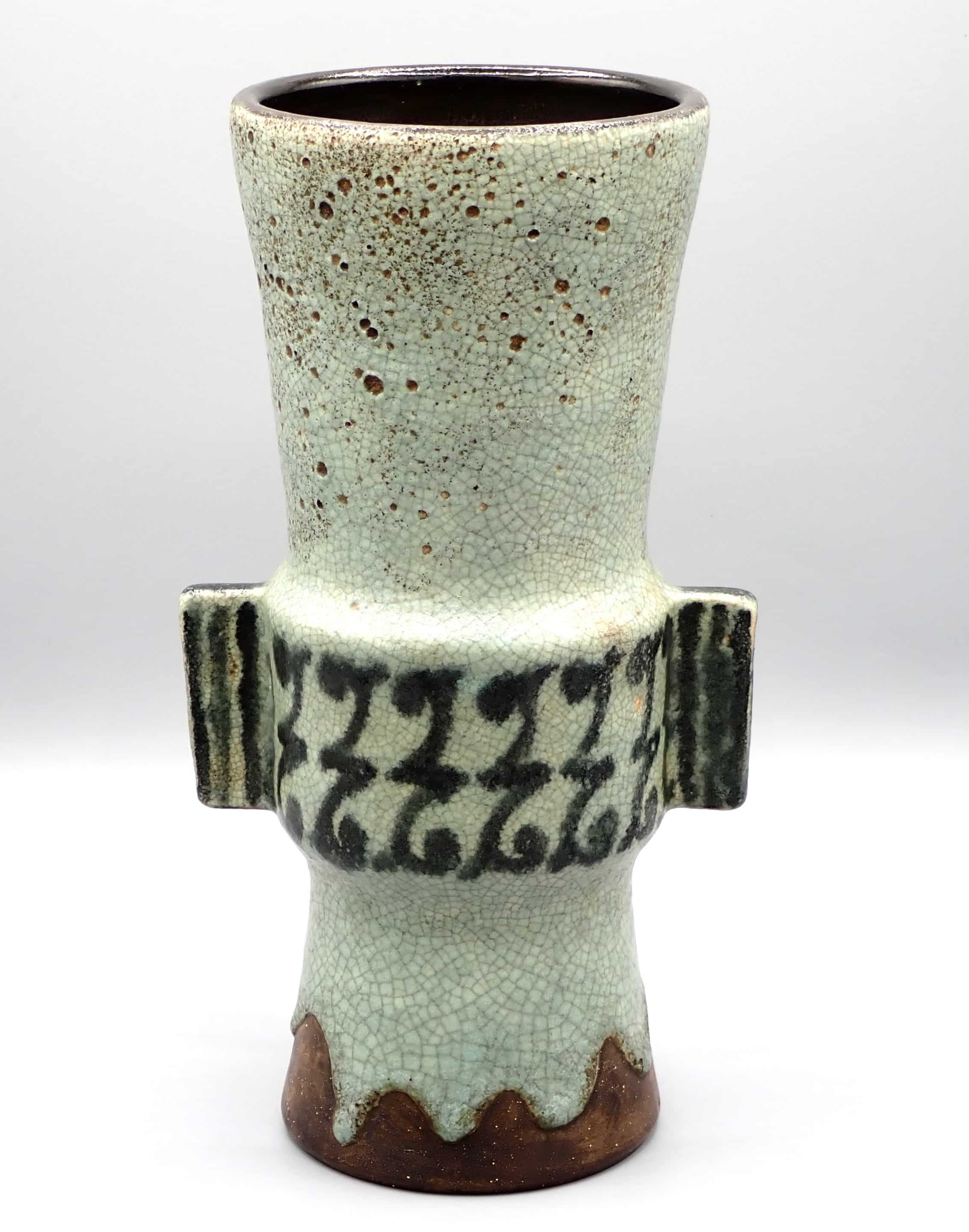
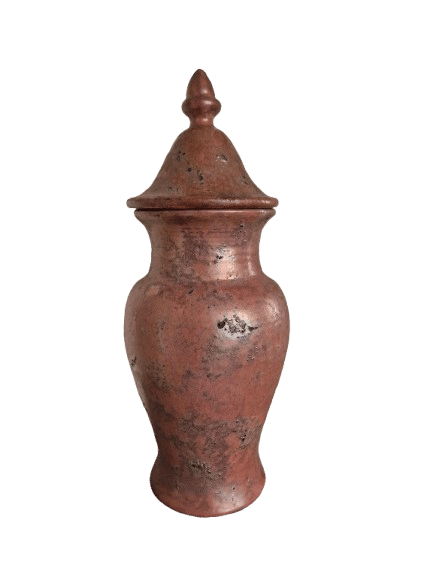
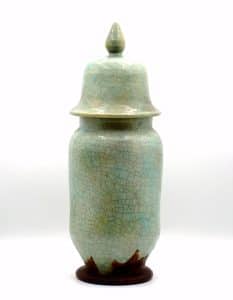
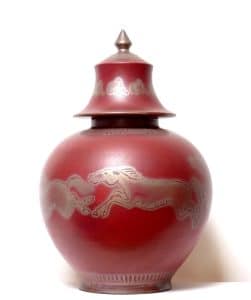
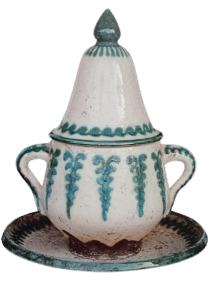
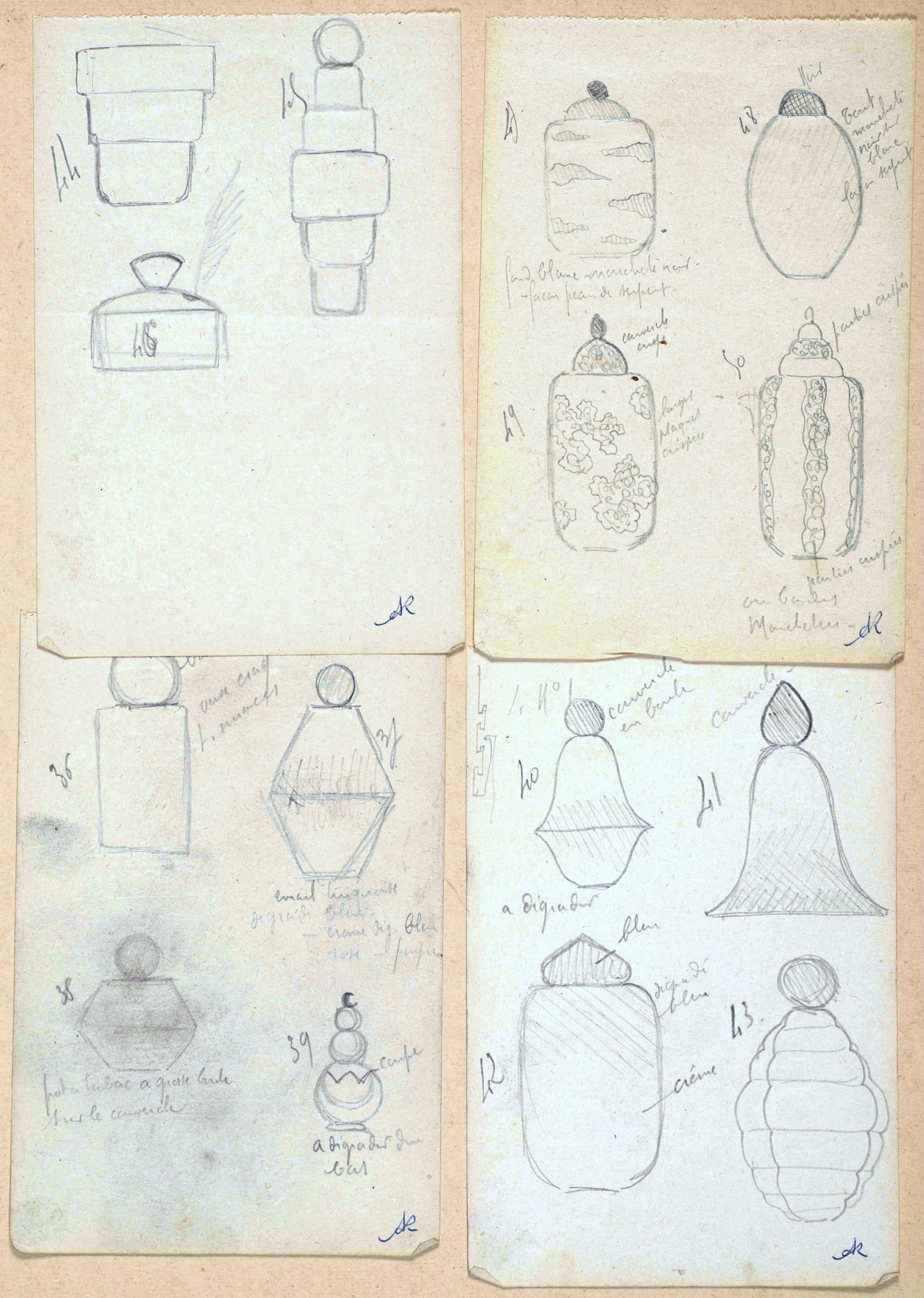
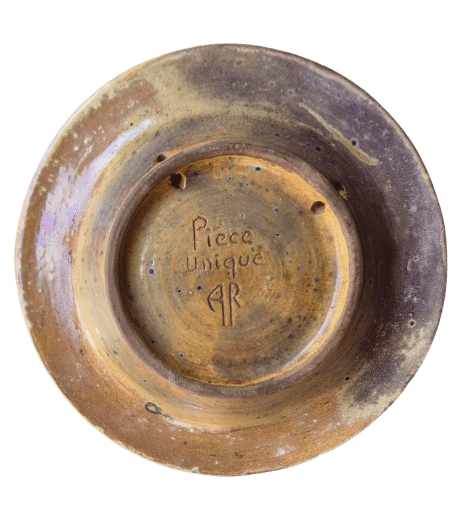
These artistic pieces of the 1950s, of different inspirations, mostly bear the signature AR unique piece.
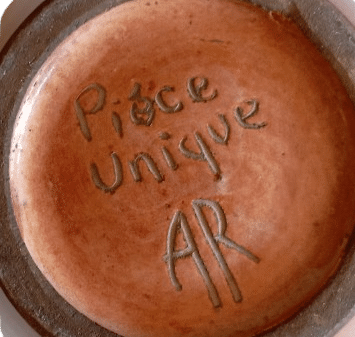
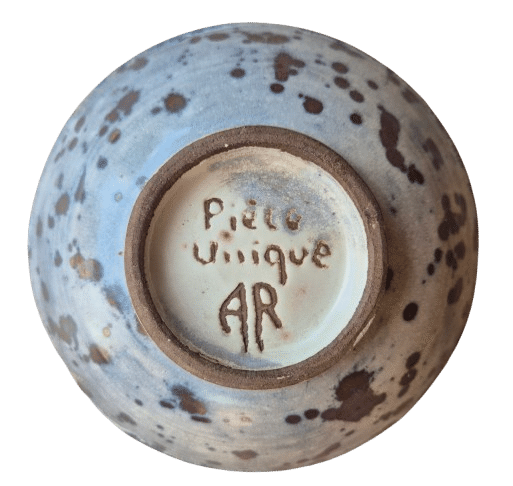
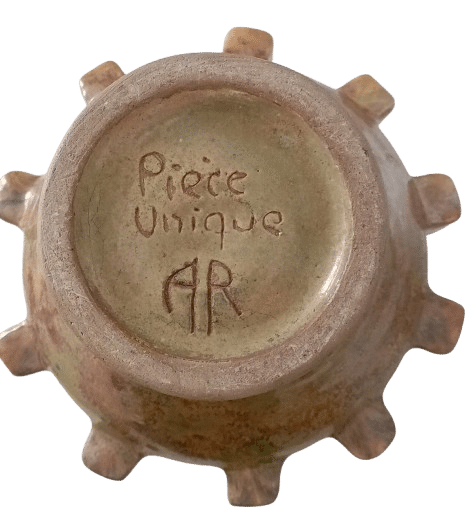
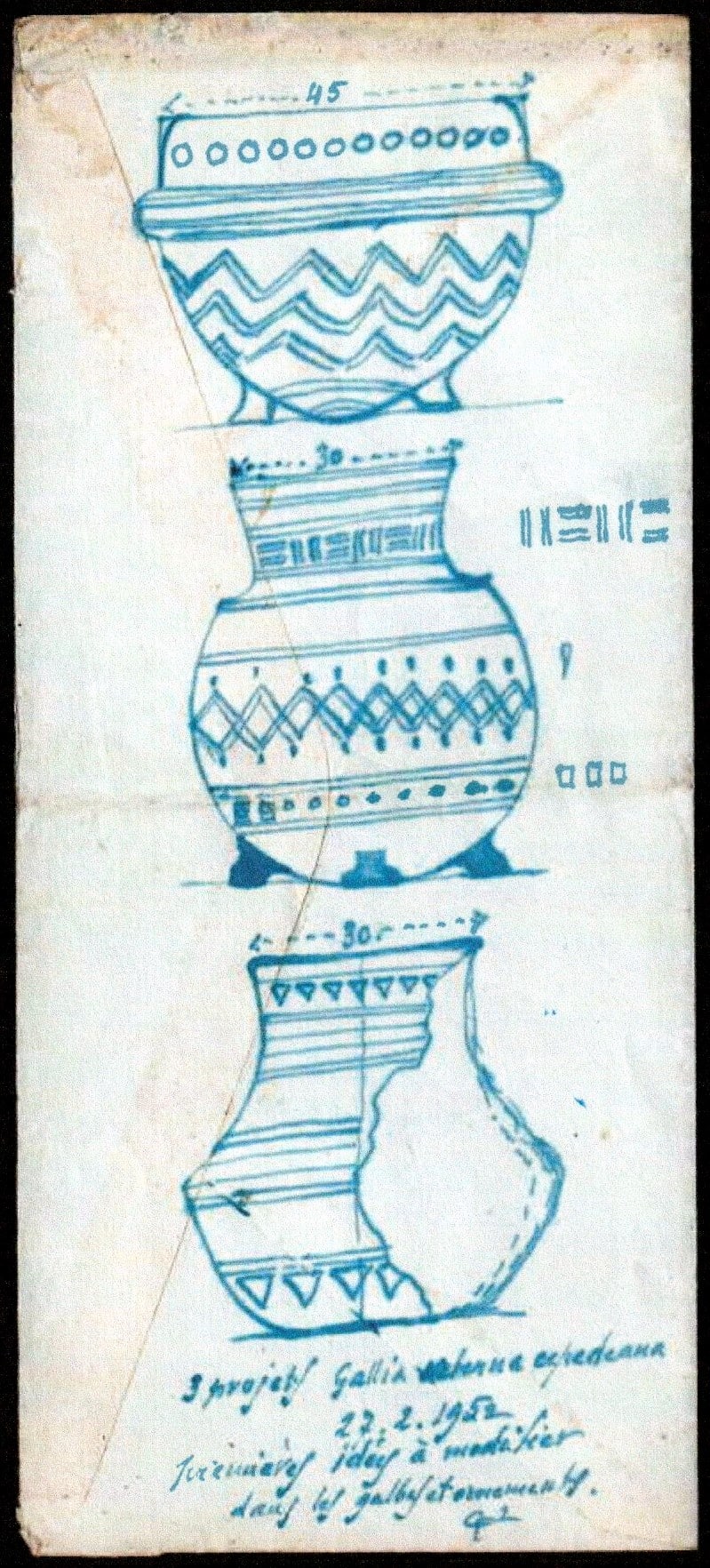 The two men planned to create together in 1952 a collection of ceramics Gallia Eterna Cepedae, revisiting them while modernizing the pottery of antiquity.
Anchierri is approached to exhibit 5 works from the Gallia Aeterna collection at the 1952 Winter Salon on a personal invitation from its president and sculptor Raymond Sudre. 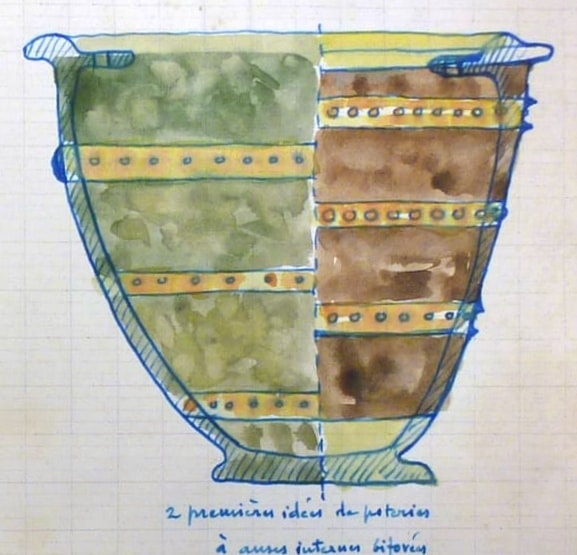
Unfortunately this momentum to show his work will not really know any notable sequel, our ceramicist is overwhelmed by the controls. He goes back into his personal creation and collaboration with the professor will never come into being, with the exception of the few essays already done.
The following years will lead him to develop another personal project that is very close to the Anchierri couple, returning to their homeland to open a new workshop.
He will indeed create a shop-shop in Annecy in 1953 (see next chapter). Here). He will sell there to launch this new company, many unique pieces he makes in Orléans, where Forah continues to produce until 1956. For some ceramics, it will add the stamp « Nissy Poterie du Lac ».