Nissy Annecy
1953-1972
Return to sources
At the beginning of 1952, René Anchierri and his wife wanted to get closer to their family and return to their native region. They also want to give a new direction more in the air of time, René's artistic creation, and their business.
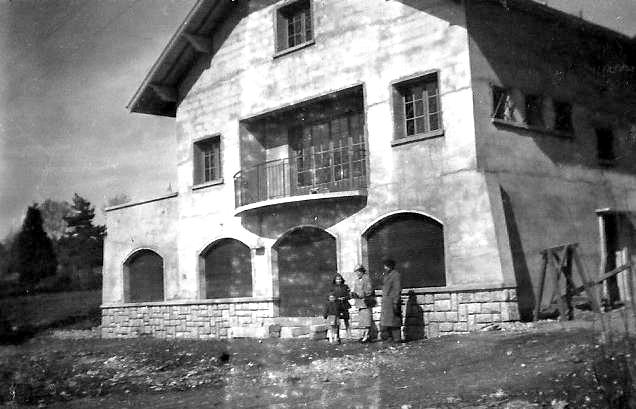
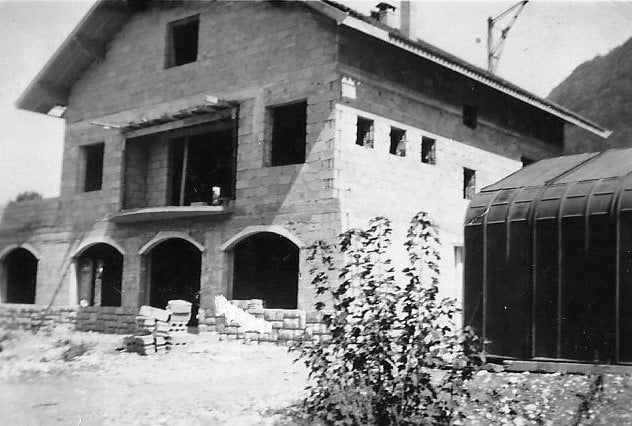
They buy land on Lake Annecy, instead of "The little port" and undertake the construction of a shop.
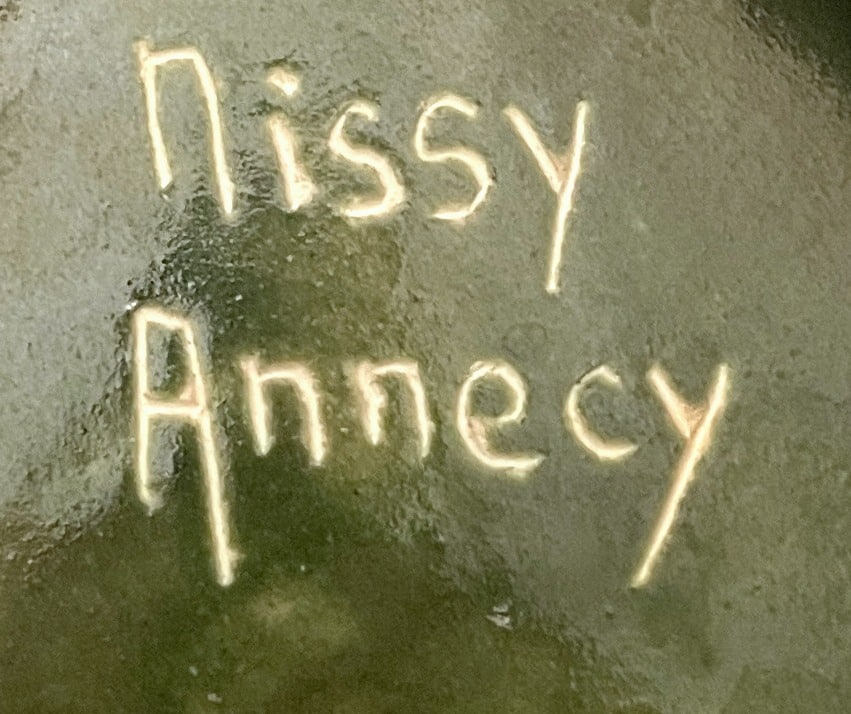
They will name him Nissy, after the Latin name Anicii, the Roman family that gave his name to the municipality of Annecy. The name Nissy Workshop followed by "Le Potier du Lac" will be affixed to the front, while Nissy Annecy will be the signature on most of the serial pieces offered in the shop (vases, dishes, decorative and tourist objects).
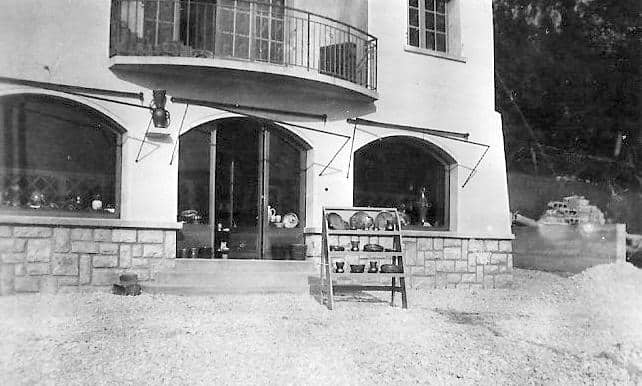
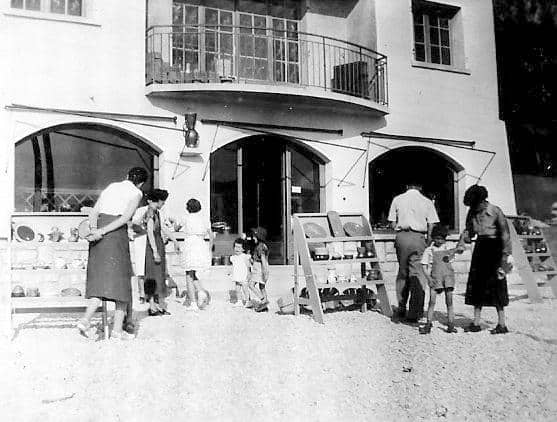
In the summer of 1953, it was the official opening of the Nissy Annecy workshop, a shop held by his wife for the tourist season.
In January 1954, the municipal council of Orléans ordered him a vase with the city's weapons to be delivered for the month of May, it will be one of the last works coming out of the oven of his Orléan workshop.
Shortly thereafter, the couple moved permanently to Annecy and moved into the house located at the back and above Nissy workshop.
In 1956, Anchierri ceded the FORAH brand to his successor Lallier, permanently turning the page on his Orléan period.
Color explosion
The new decade ahead and its thirst for modernity will be a new field of research and experimentation for Anchierri.
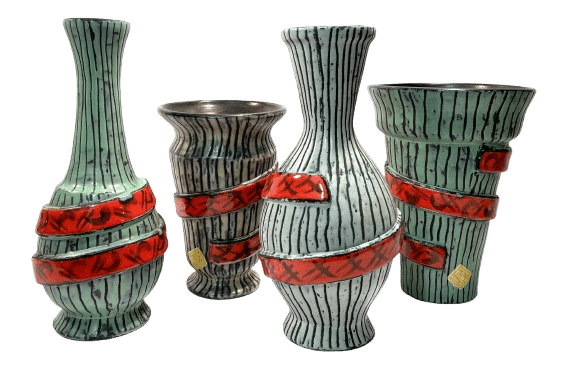
He knows the new trends of the ceramists of Vallauris, and adapts to the taste of the moment by offering large-scale collections sold in mass to the many tourists who come to visit the region and enjoy the proximity of the lake.
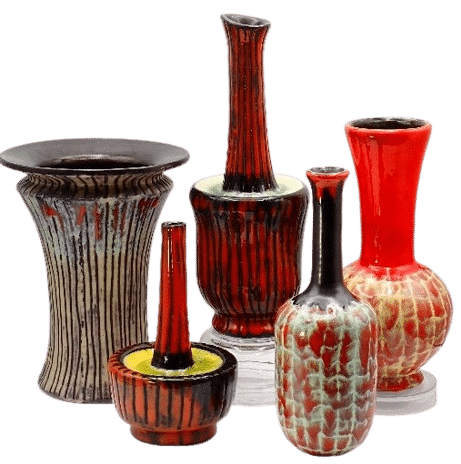
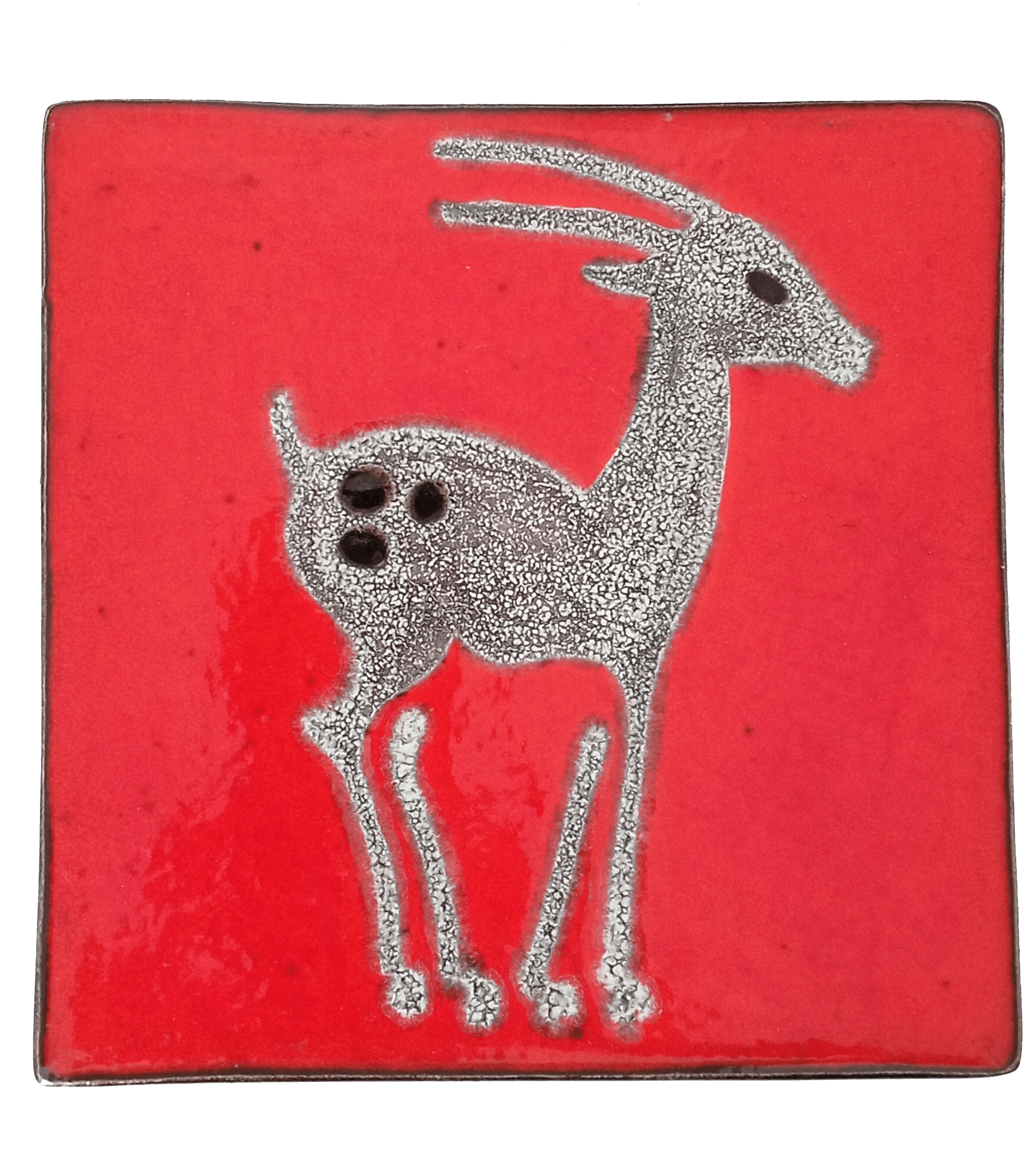
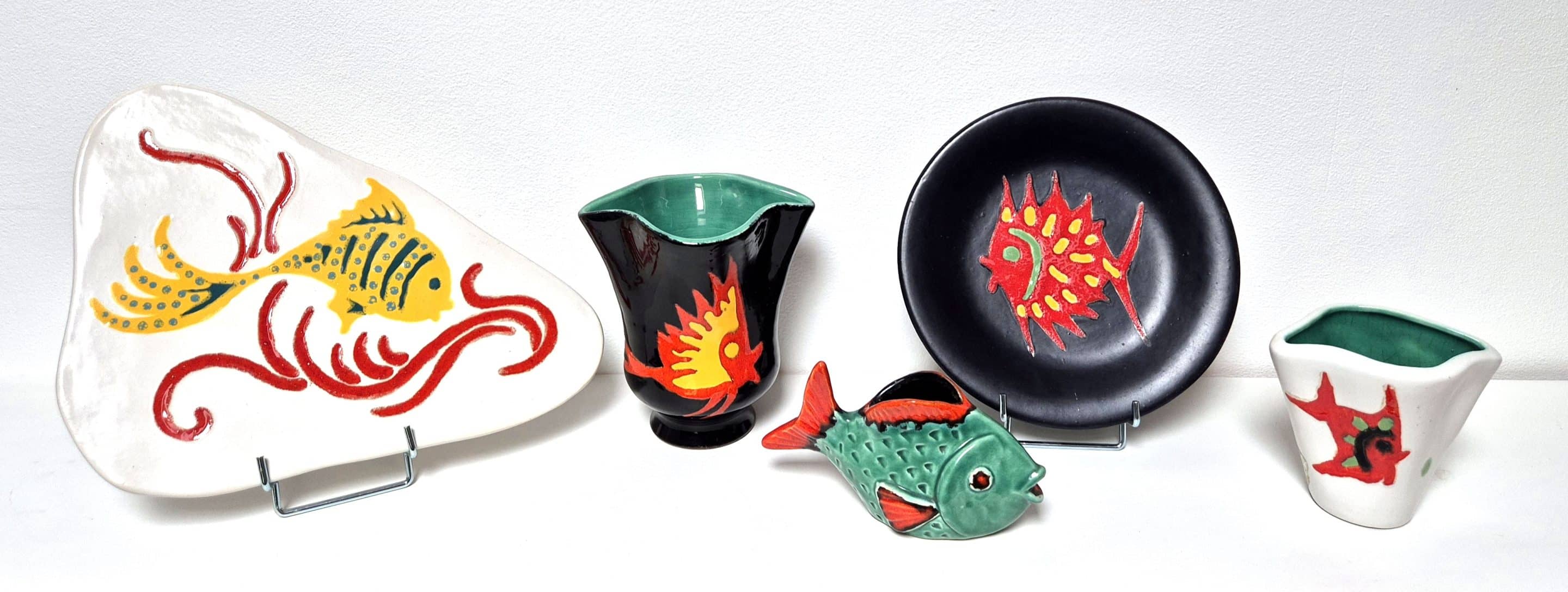
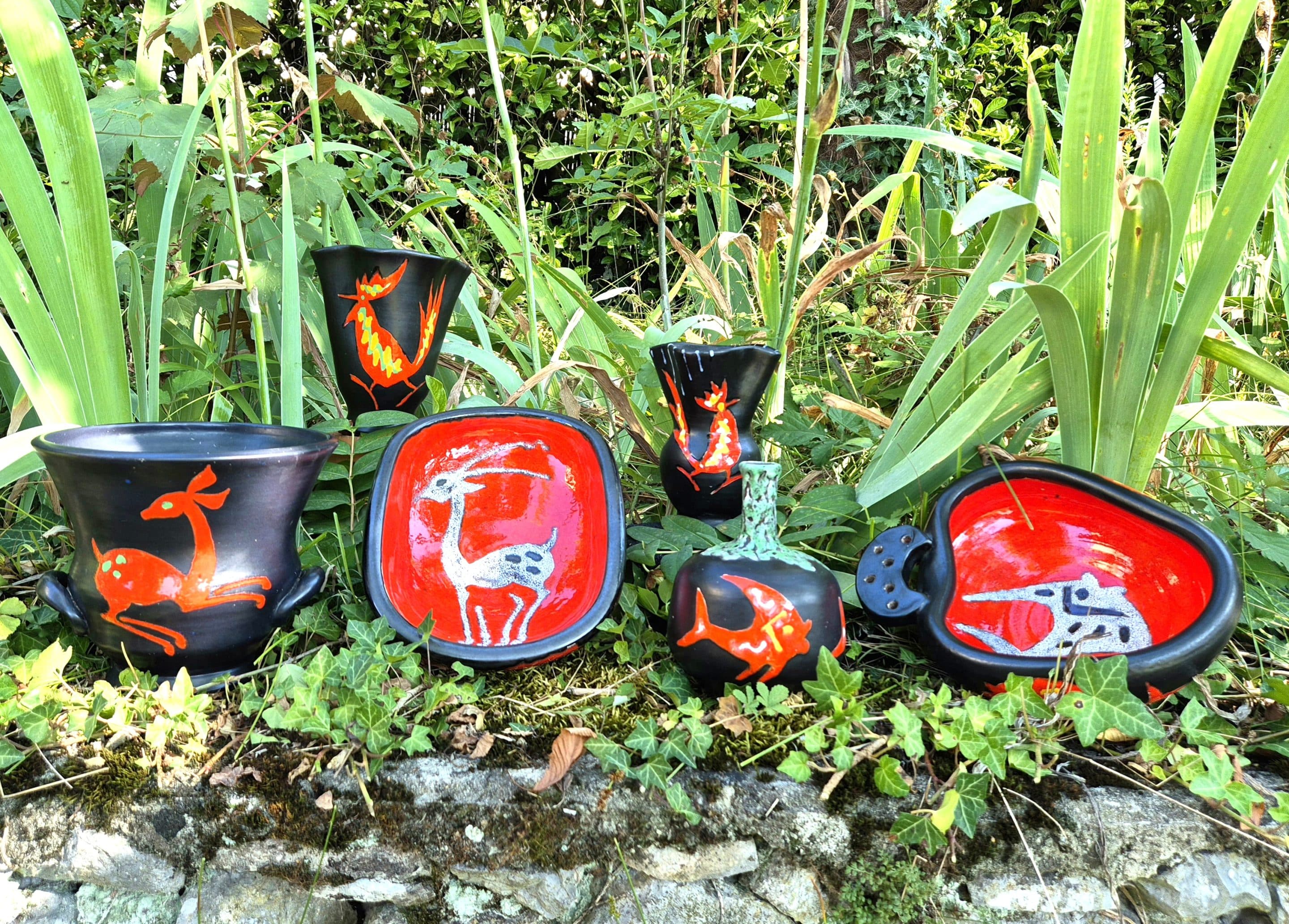
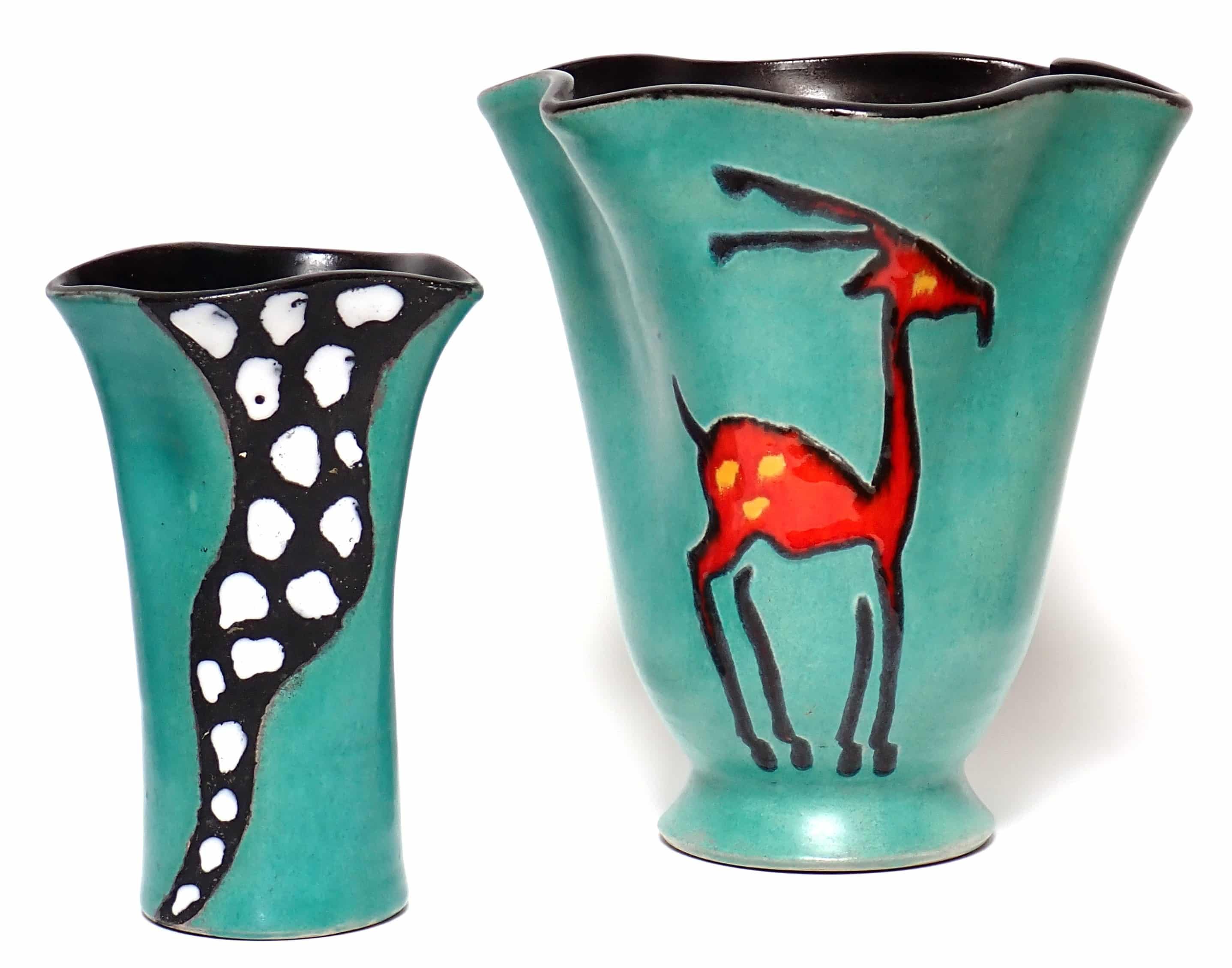
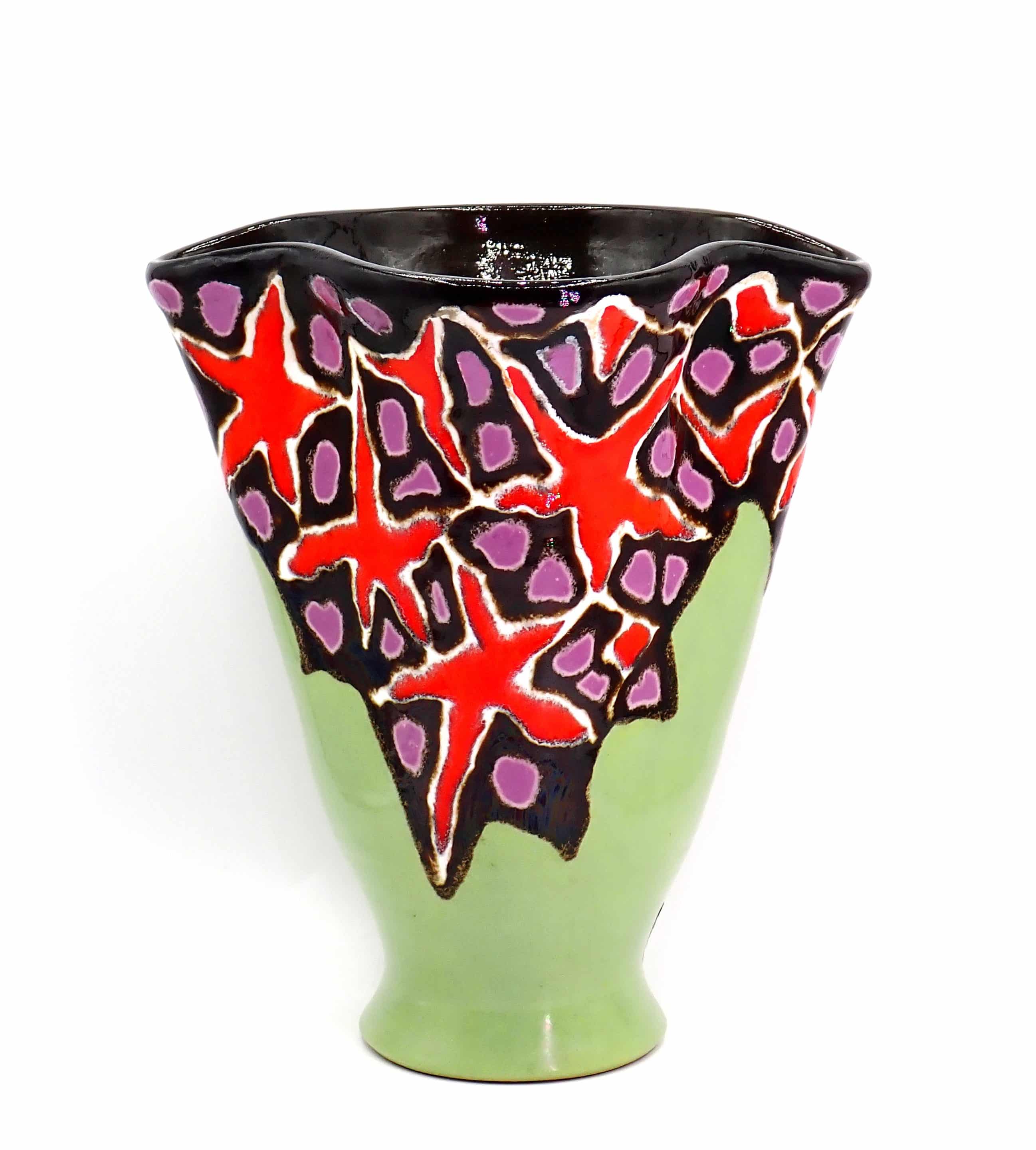
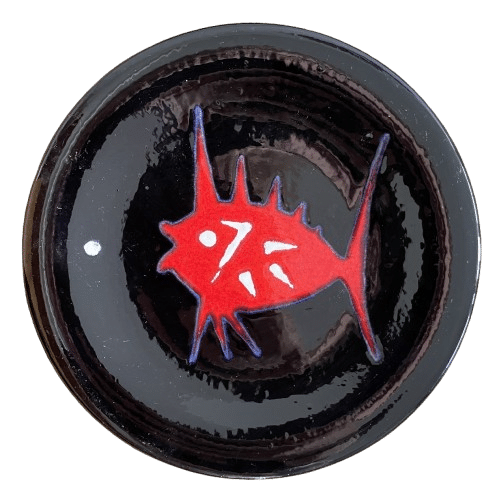
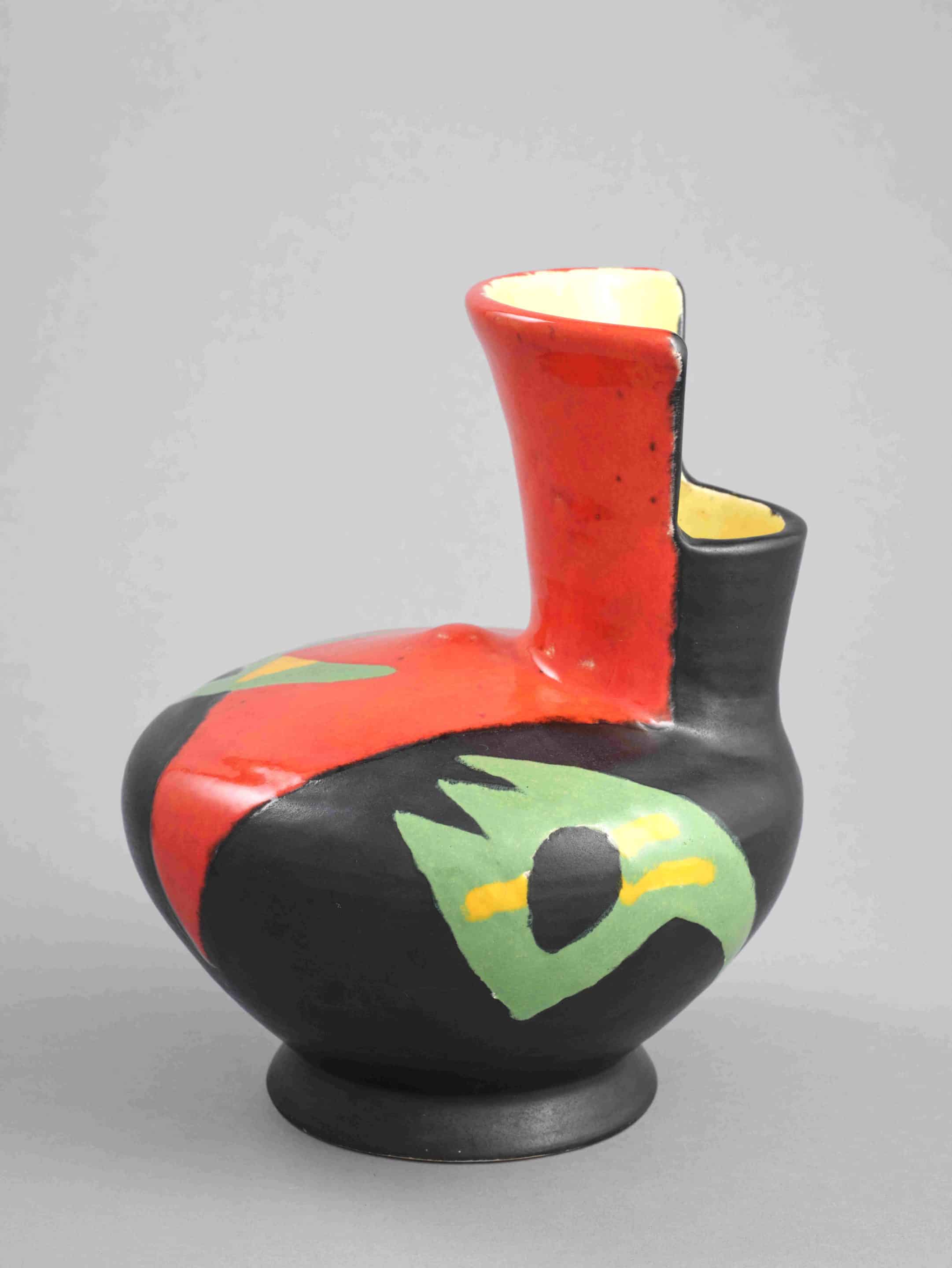
His permanent work on enamels and colours leads to the development of a matt black associated with a bright red (example below), which will soon be found as a characteristic element of this production.
It is also worth noting that these colors, especially bright red, was a recipe well kept by Anchierri whom he never shared.
Shortly after her death, Anchierri destroyed the recipe, along with all her other research books, respecting the indications and last wishes of her late husband.
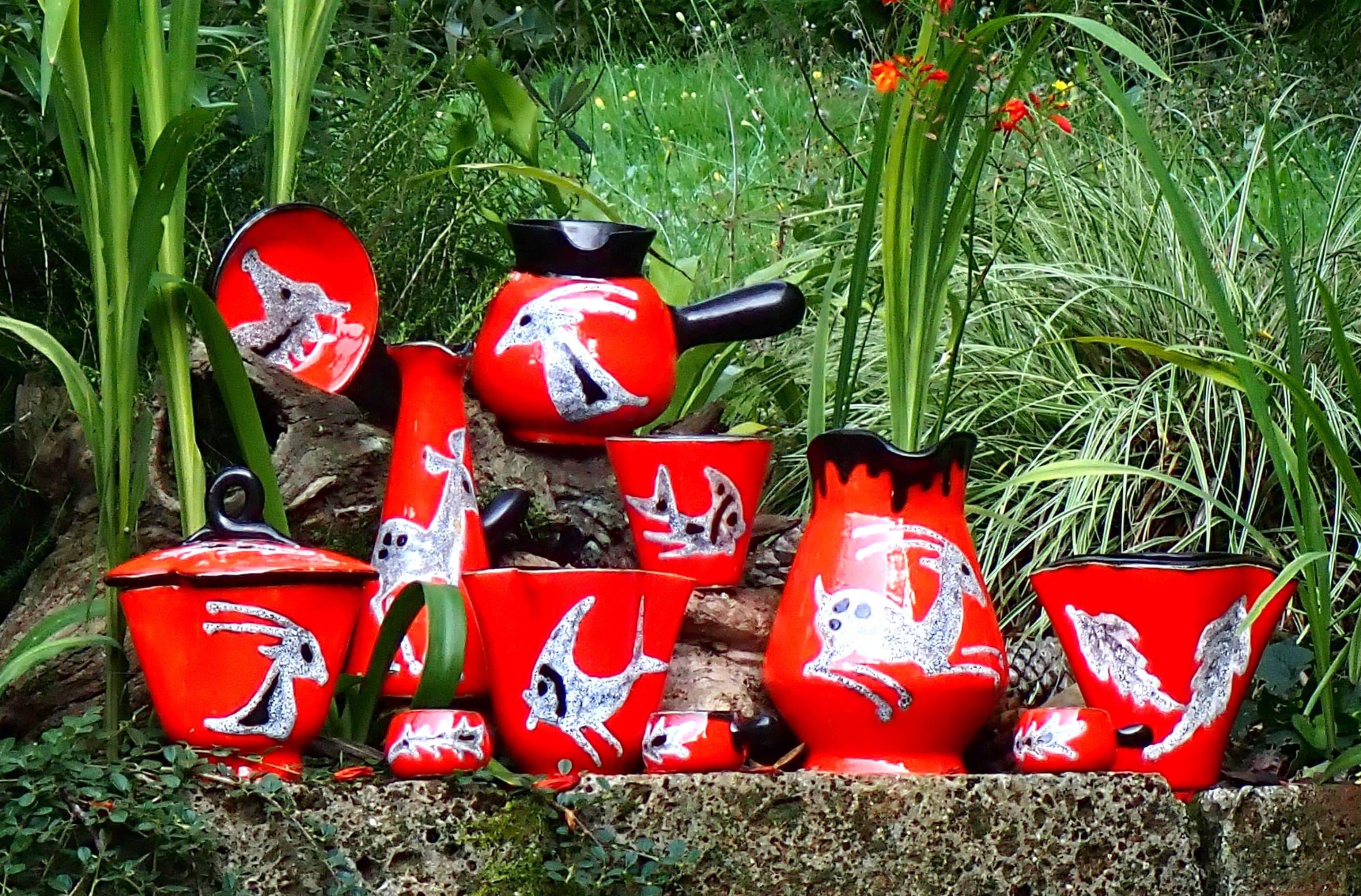
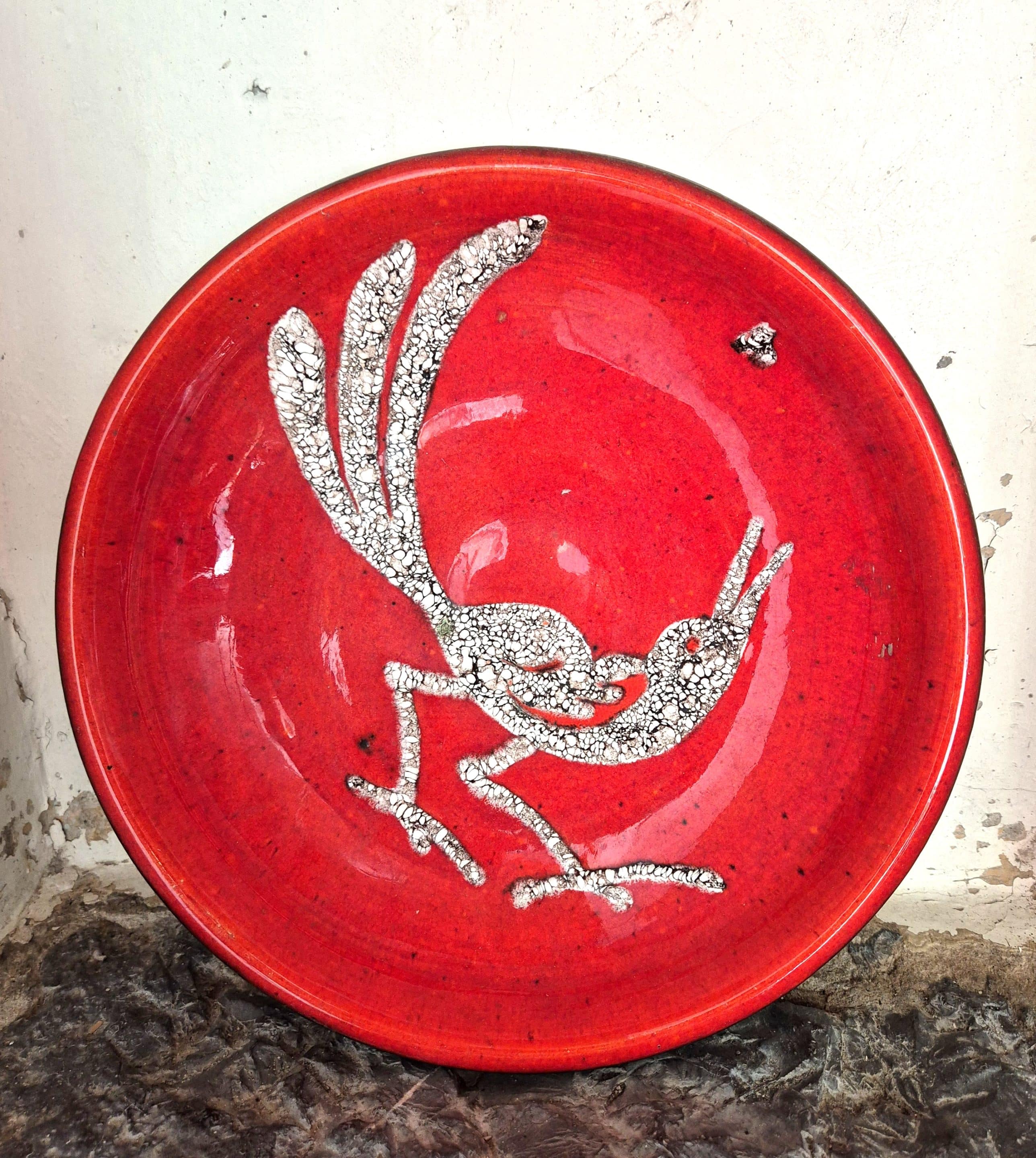
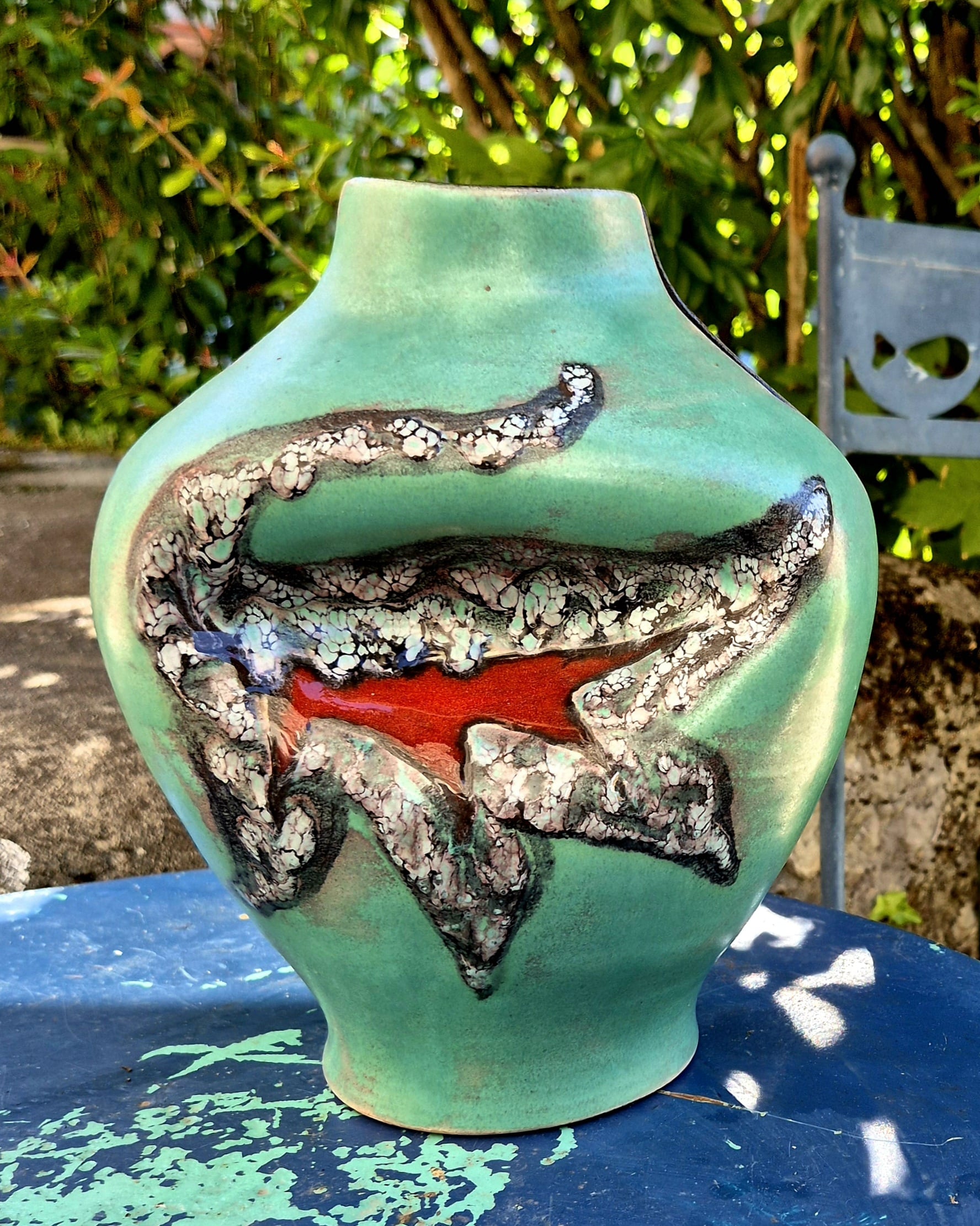
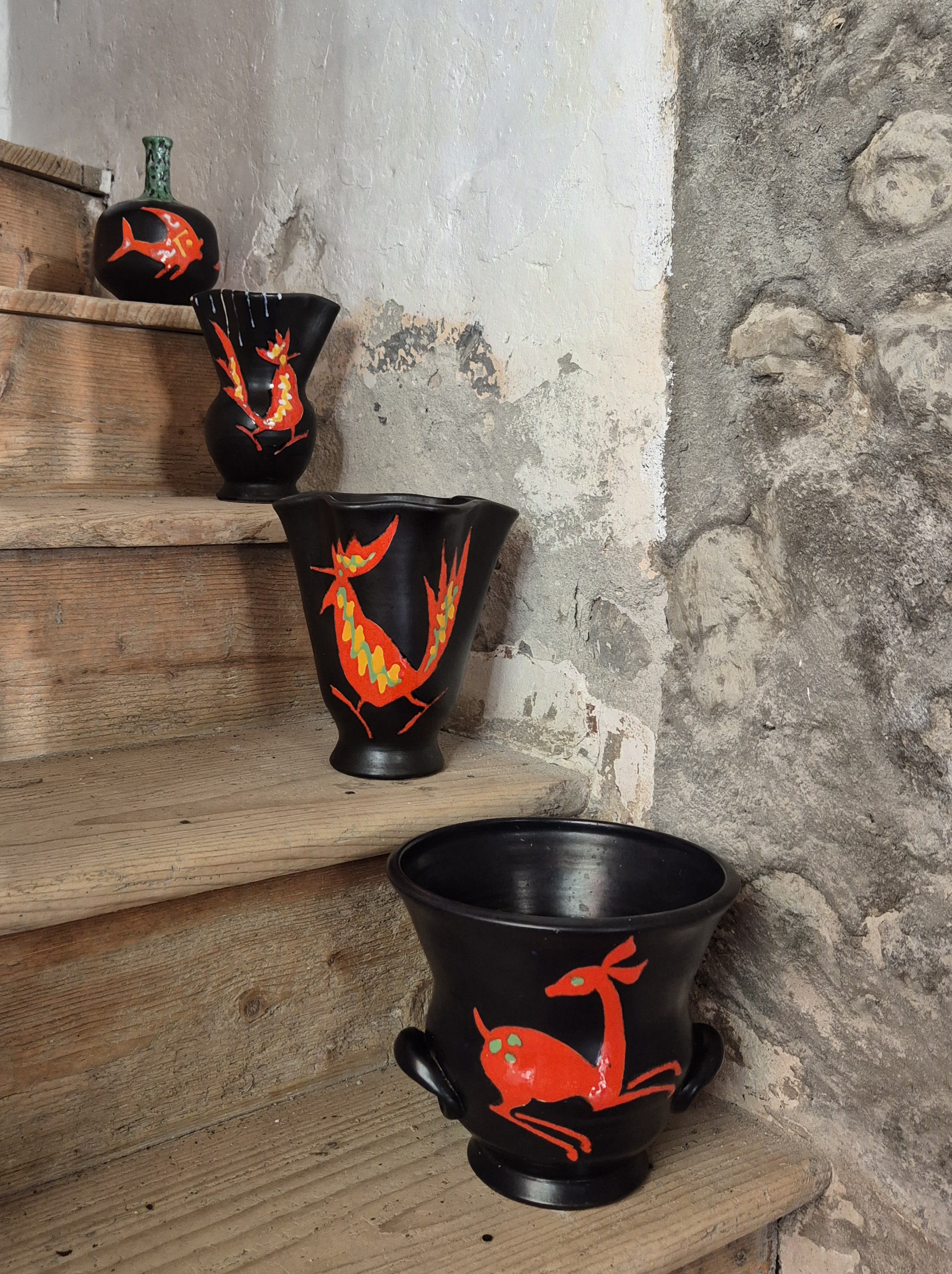
He employed André Lanson, former apprentice and tourner of the Forah factory which followed him from Orleans with his wife and daughter, and then a second worker. Ms. Lanson is employed as a decorator for series pieces, but also sometimes at the shop as a saleswoman.
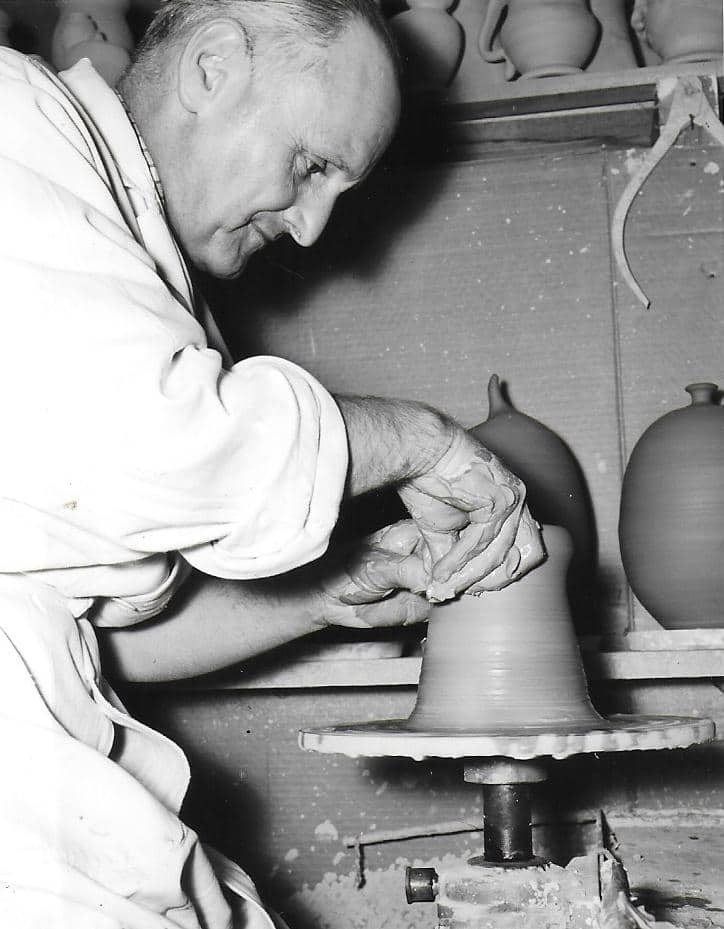
René Anchierri creates the models, turns and decorates the many unique pieces he imagines.
The shop is divided into two distinct spaces: the entrance opens onto a large room with display windows for unique rooms, and a large sales counter.
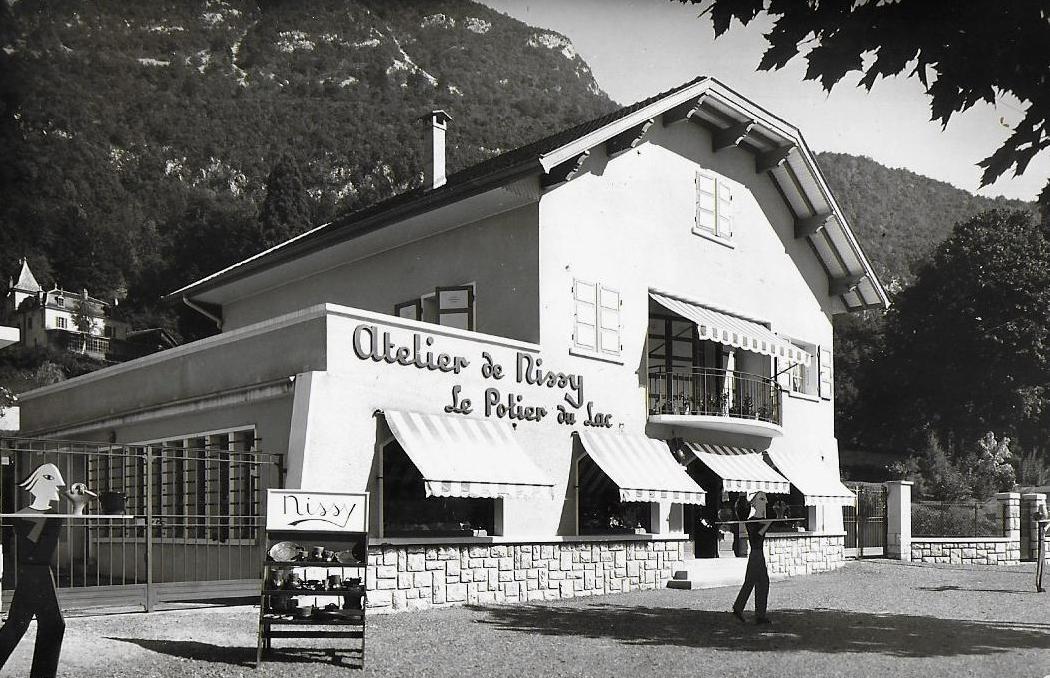
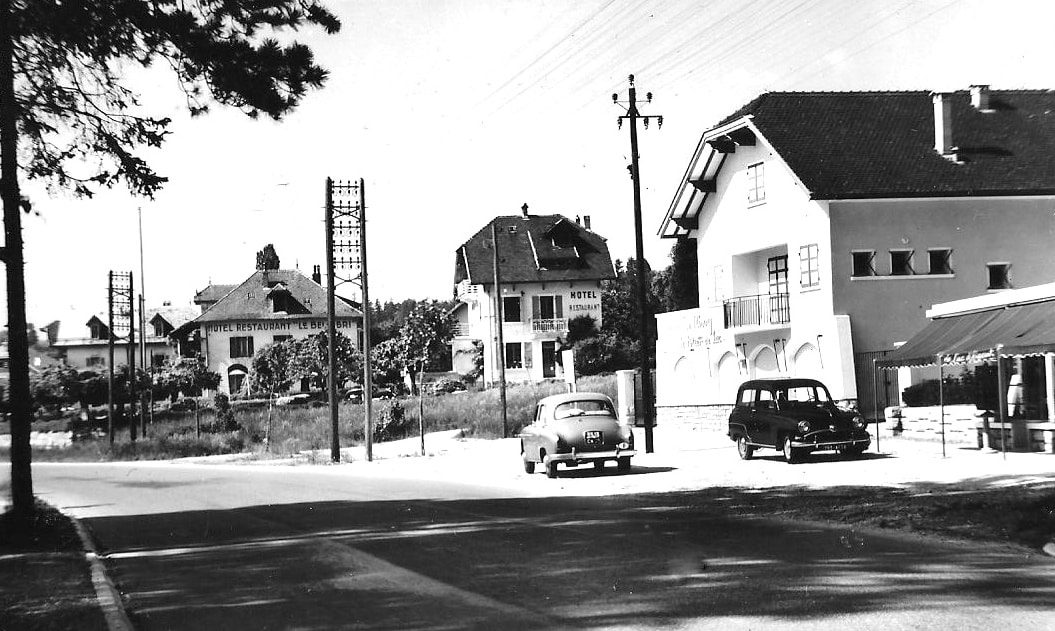
The workshop is located in another room, at the back, smaller, visible from the inside of the shop thanks to a window, and you can see Anchierri turning. The testimony agreed that the ceramist did not enjoy working in public view, but that this provision had been imposed by his wife for commercial purposes. She was also the one responsible for sales. She was sometimes assisted by Ms. Lanson or occasional saleswomen, recruited into the family, especially during school holidays.
She will even later add to the side of the building, a small annex where confectionery is sold to the many children and tourists who were strolling through the shop.
At the back, in a courtyard, outbuildings were used to store equipment, land, etc...
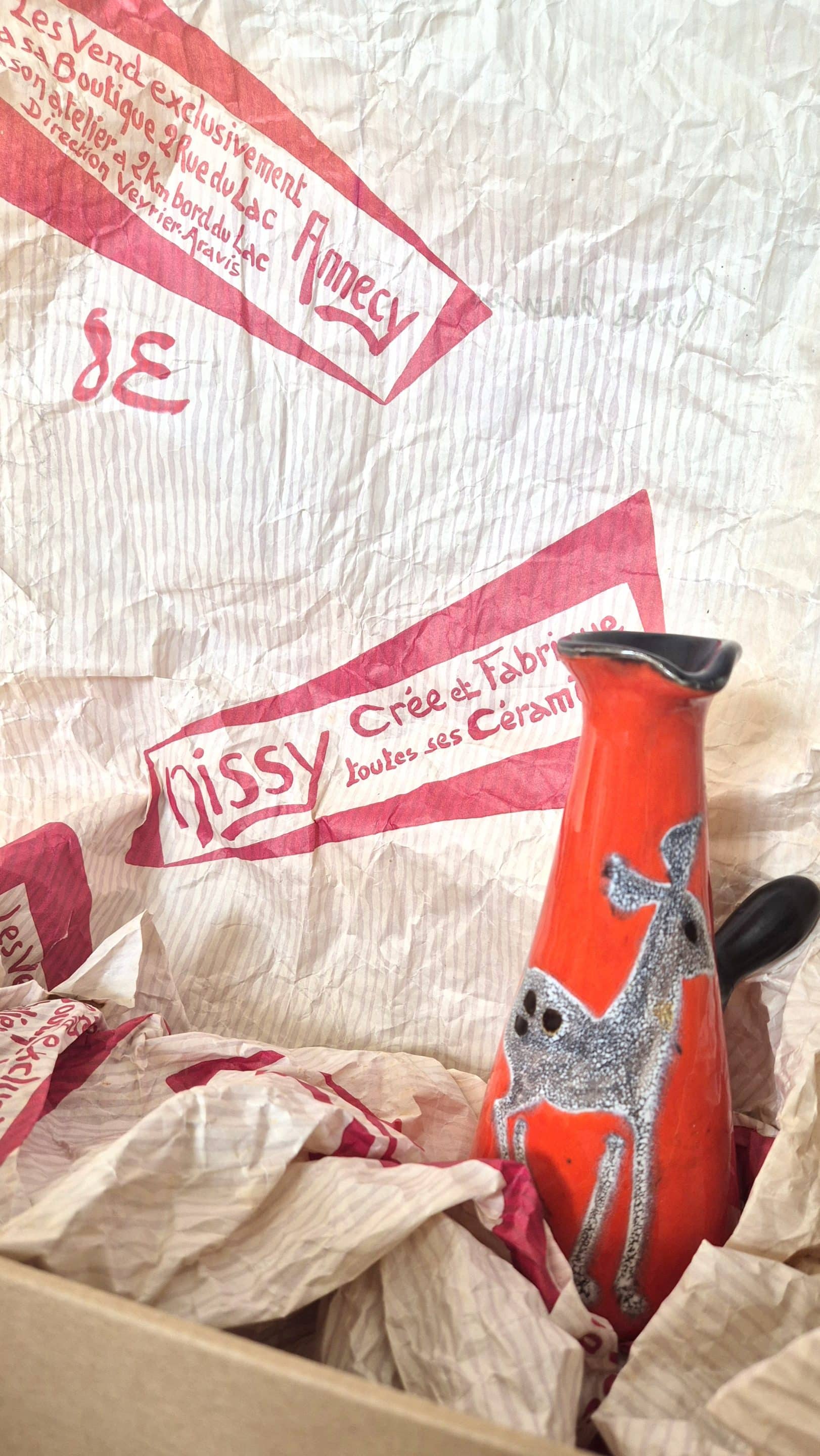
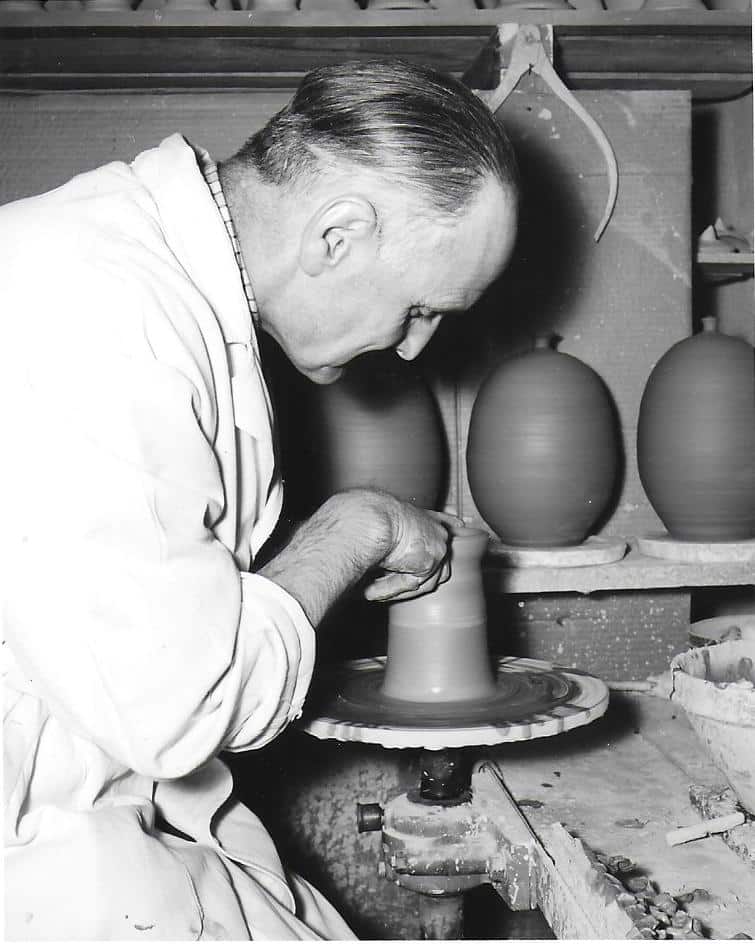
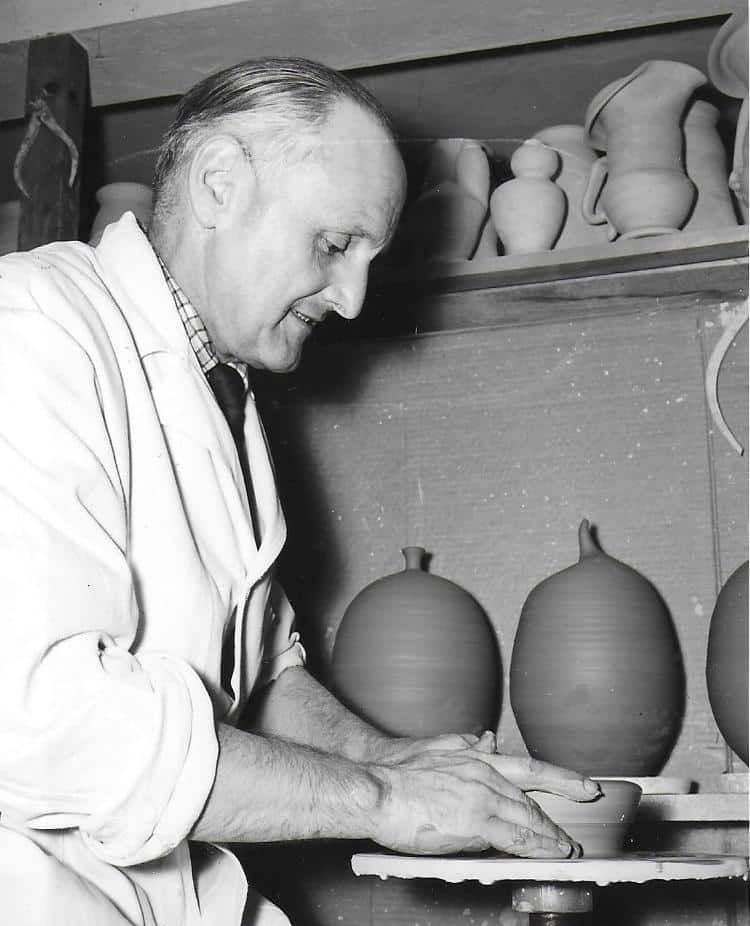
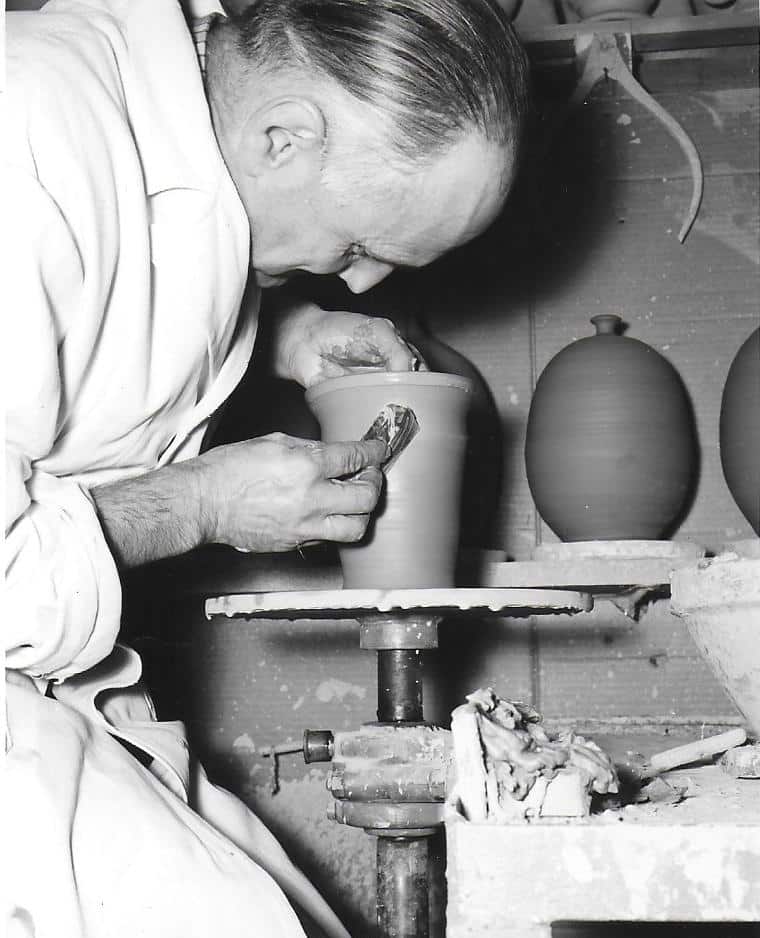
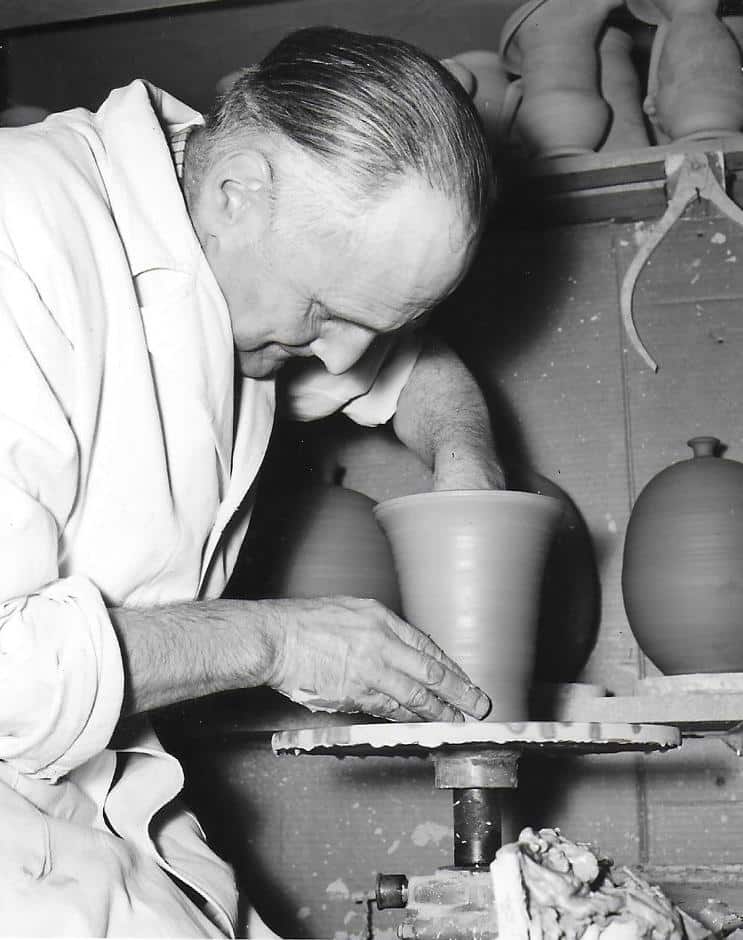
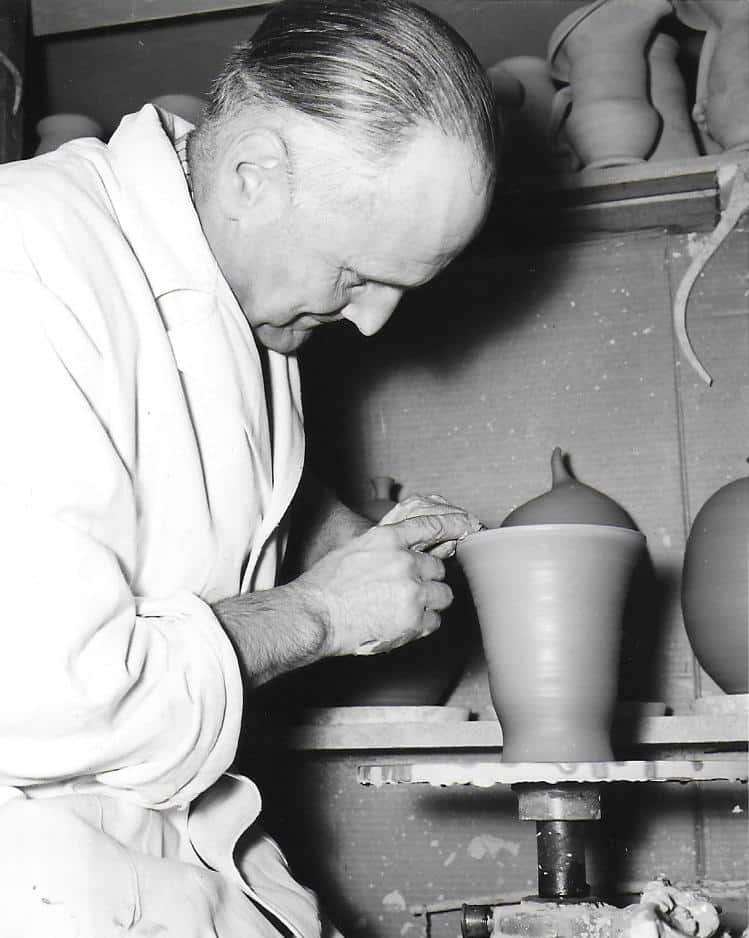
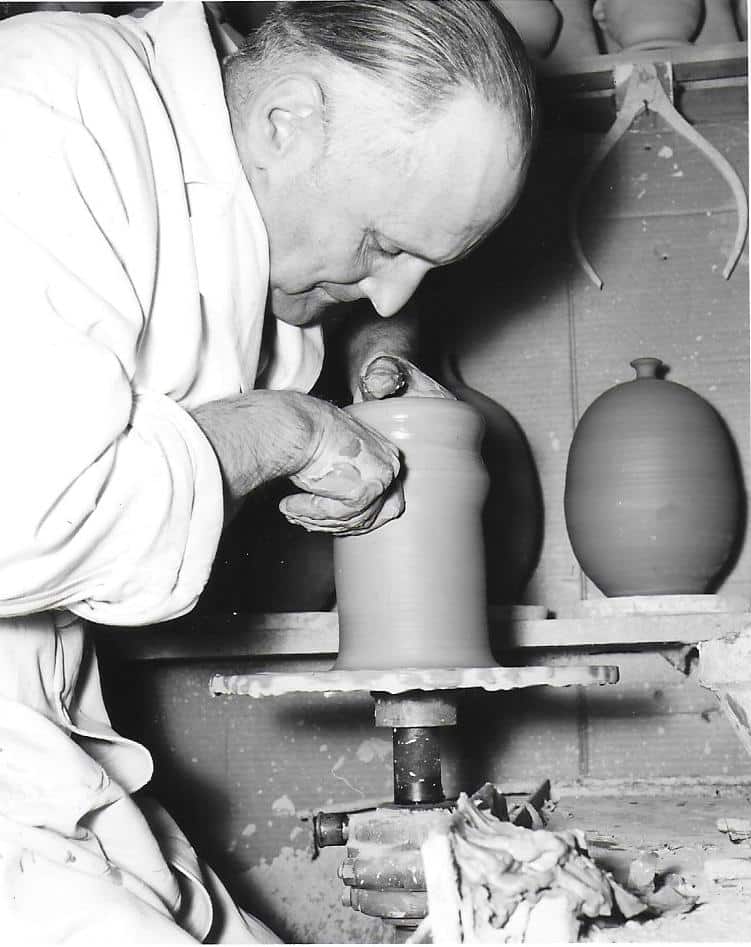
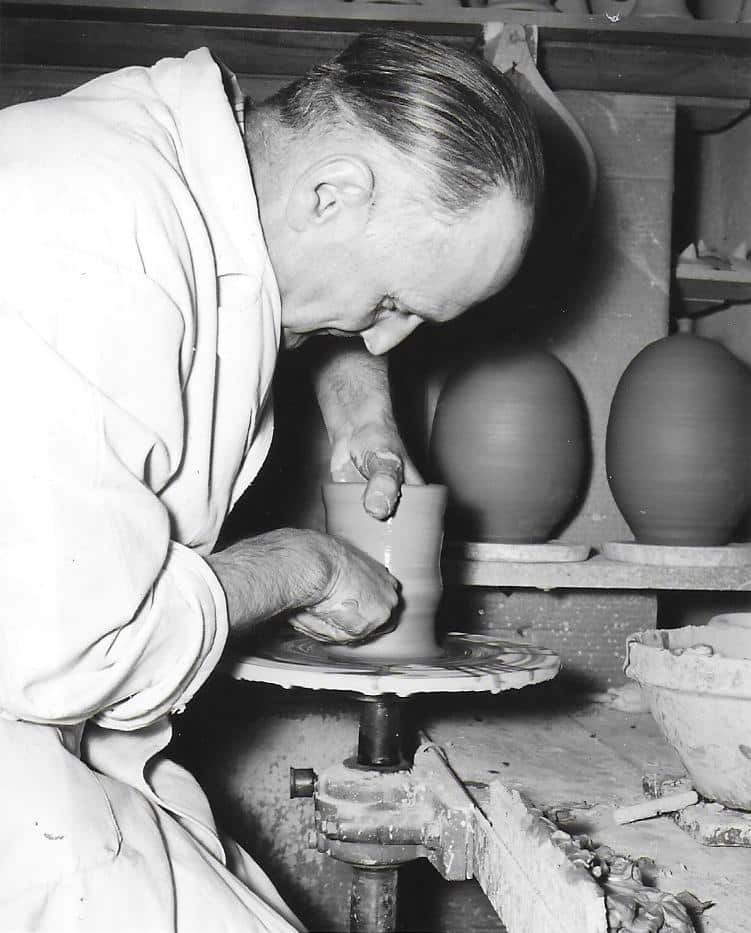
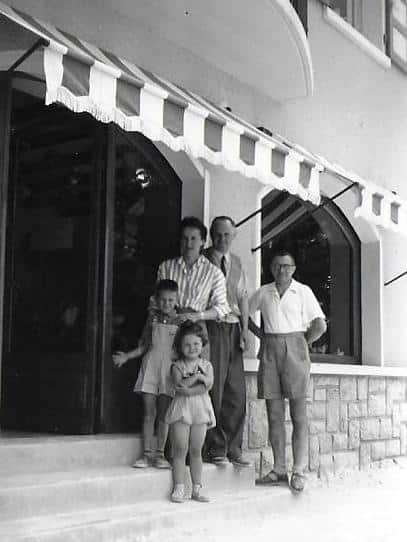
In 1957, a new shop was opened on 2nd Rue du Lac in Annecy, led by Mrs. Anchierri and several salespeople. It sells fancy jewellery, gifts and ceramics from the workshop.
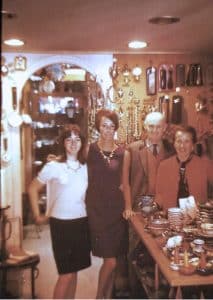
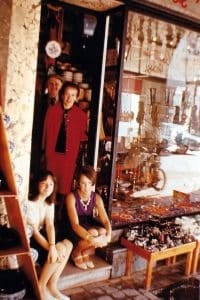

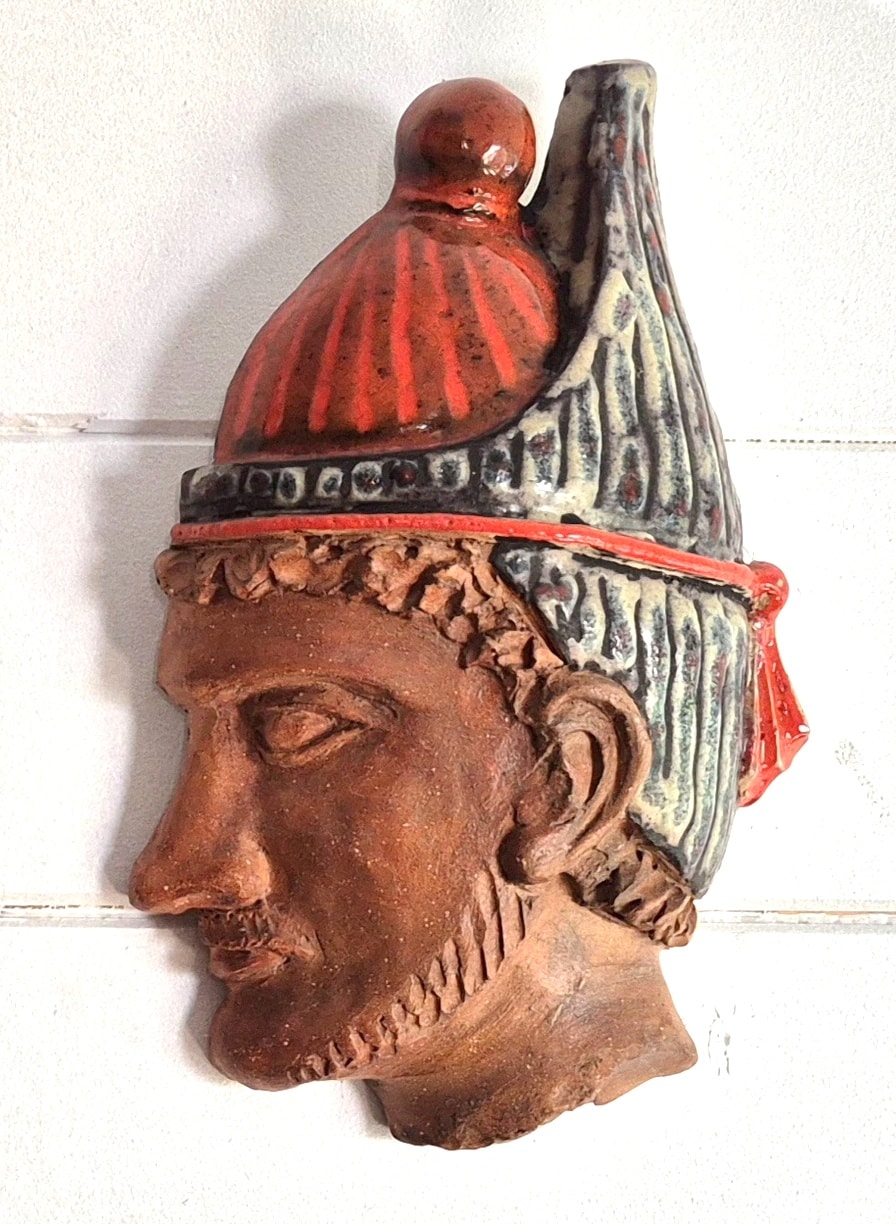
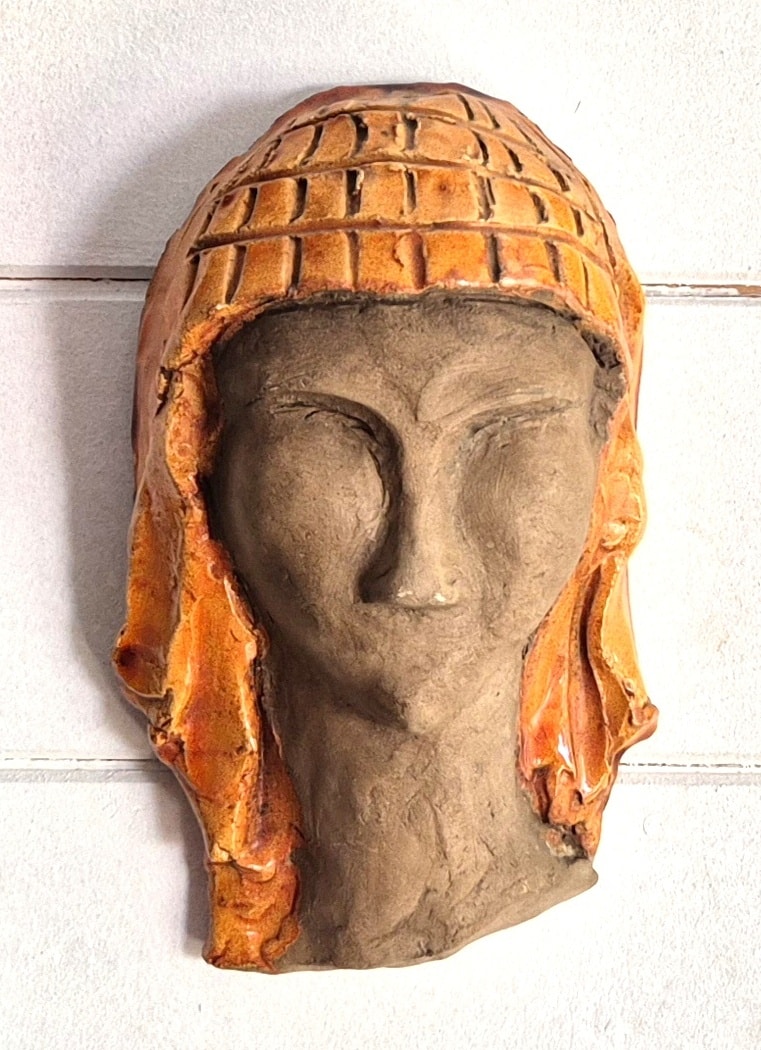
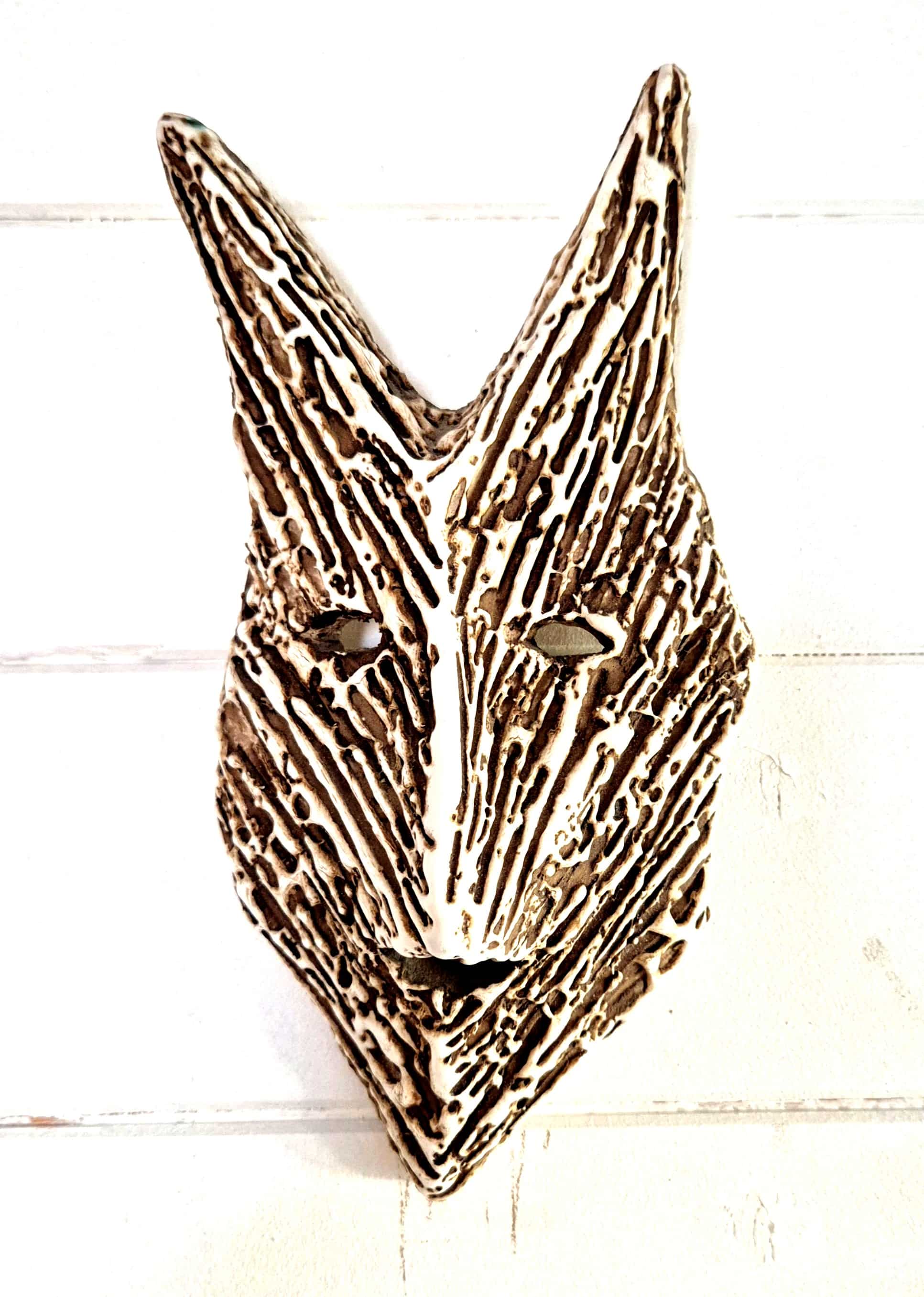
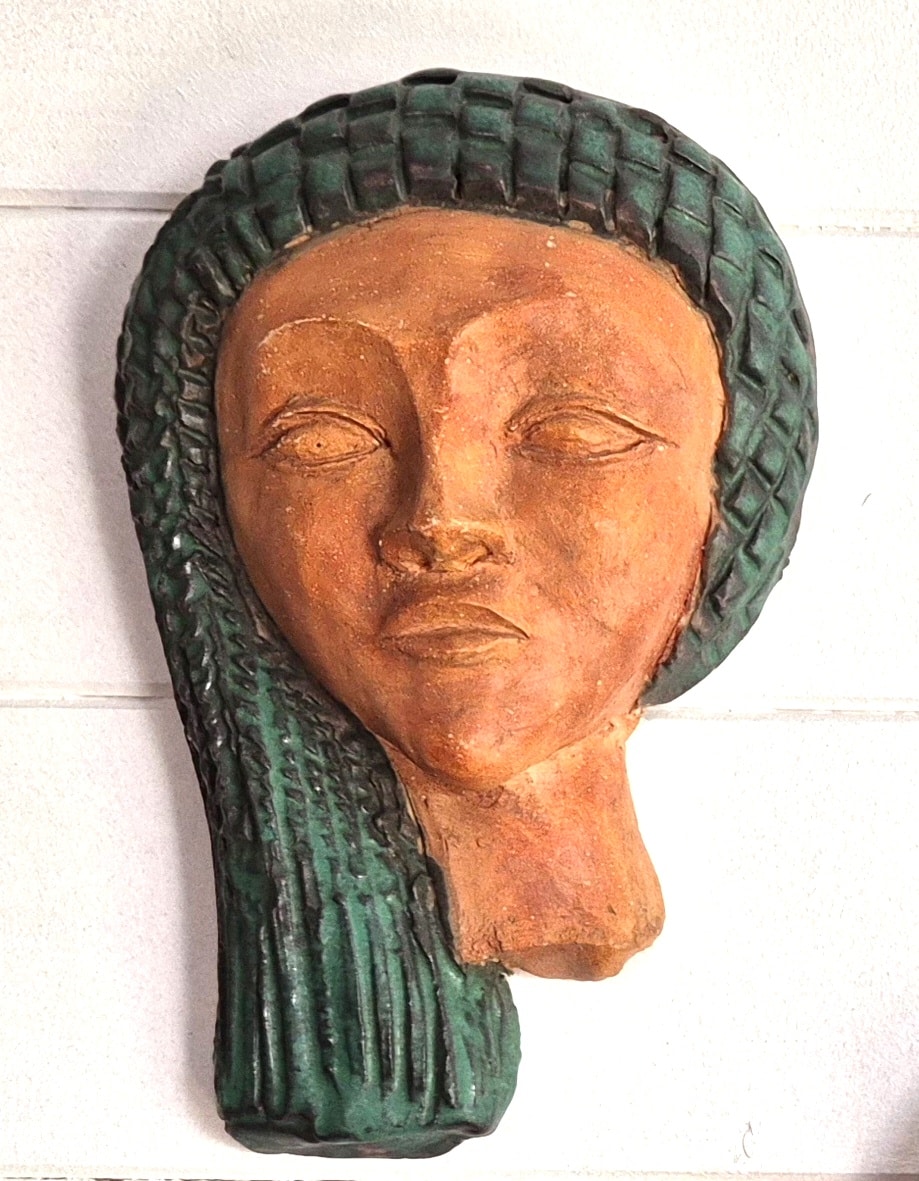
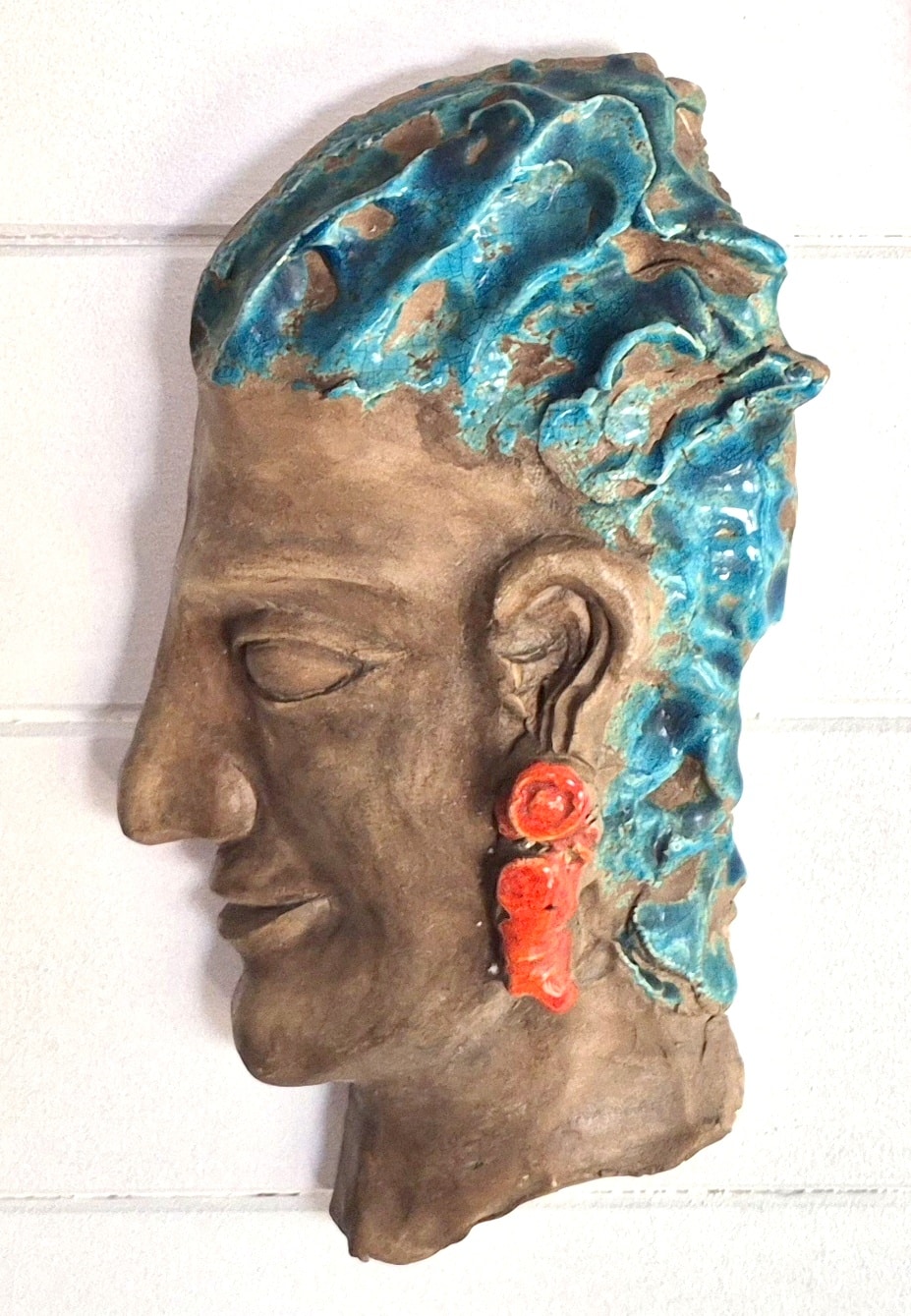
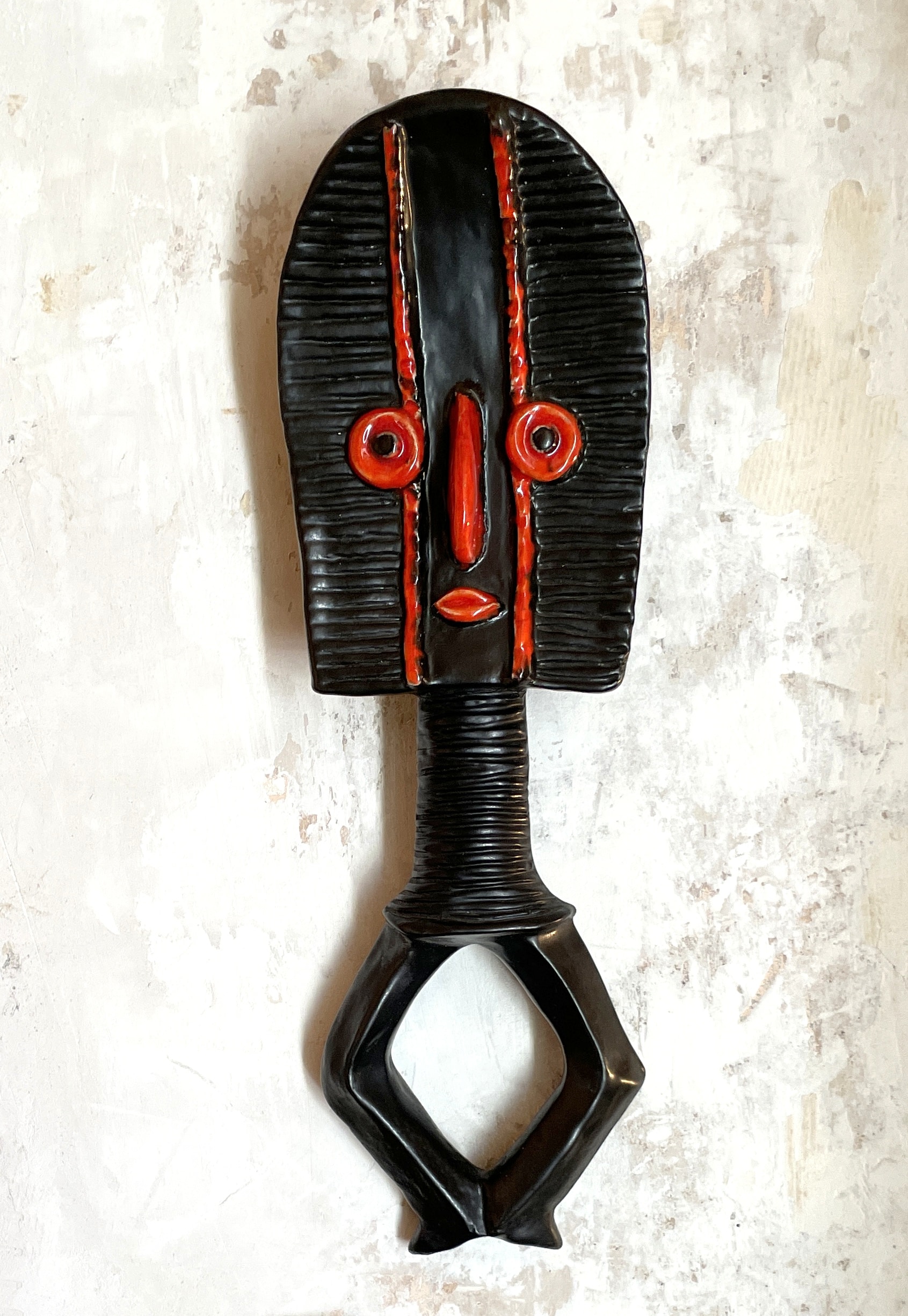
Anchierri will create collections of particularly colorful artistic ceramics to embody dynamism, cheerfulness, sometimes humor, on abstract or animal, botanical, or anthropomorphic themes, as his series of masks attests.
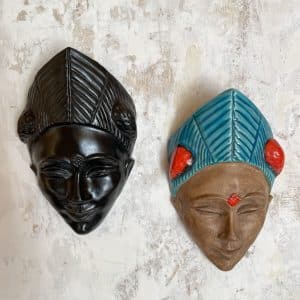
Masks, statuettes, African or Asian necklaces
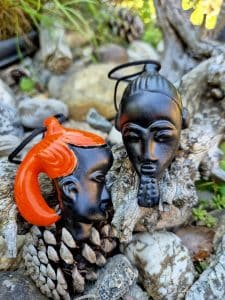
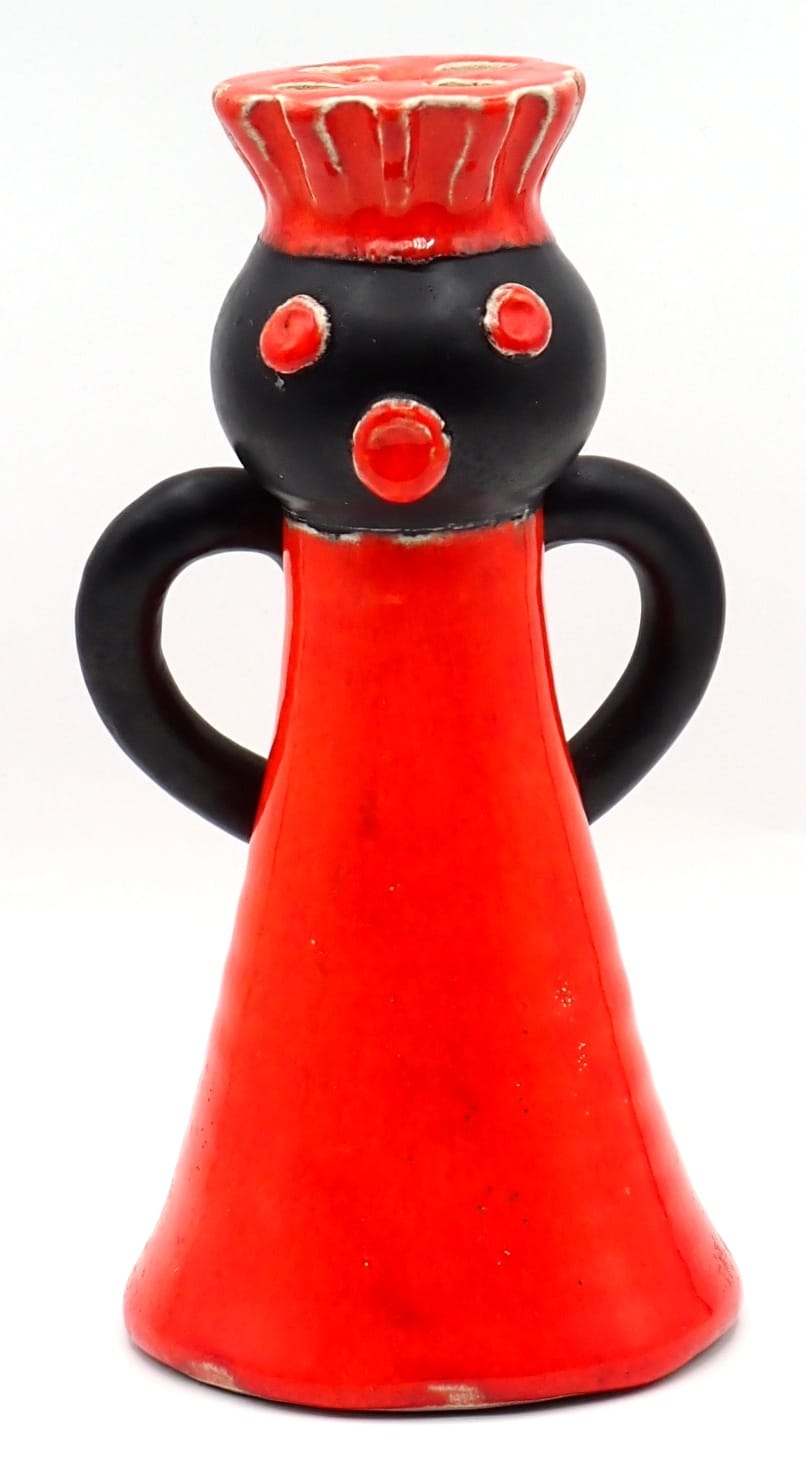
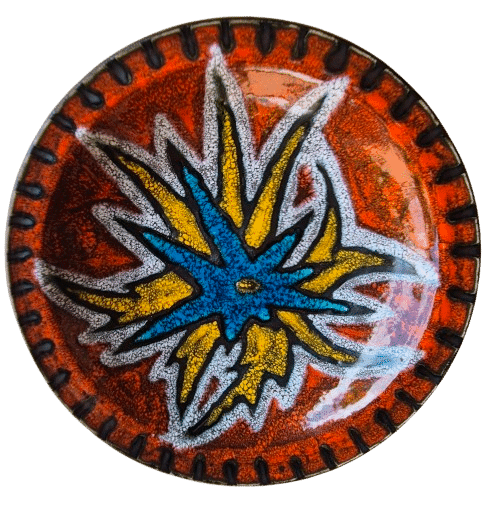
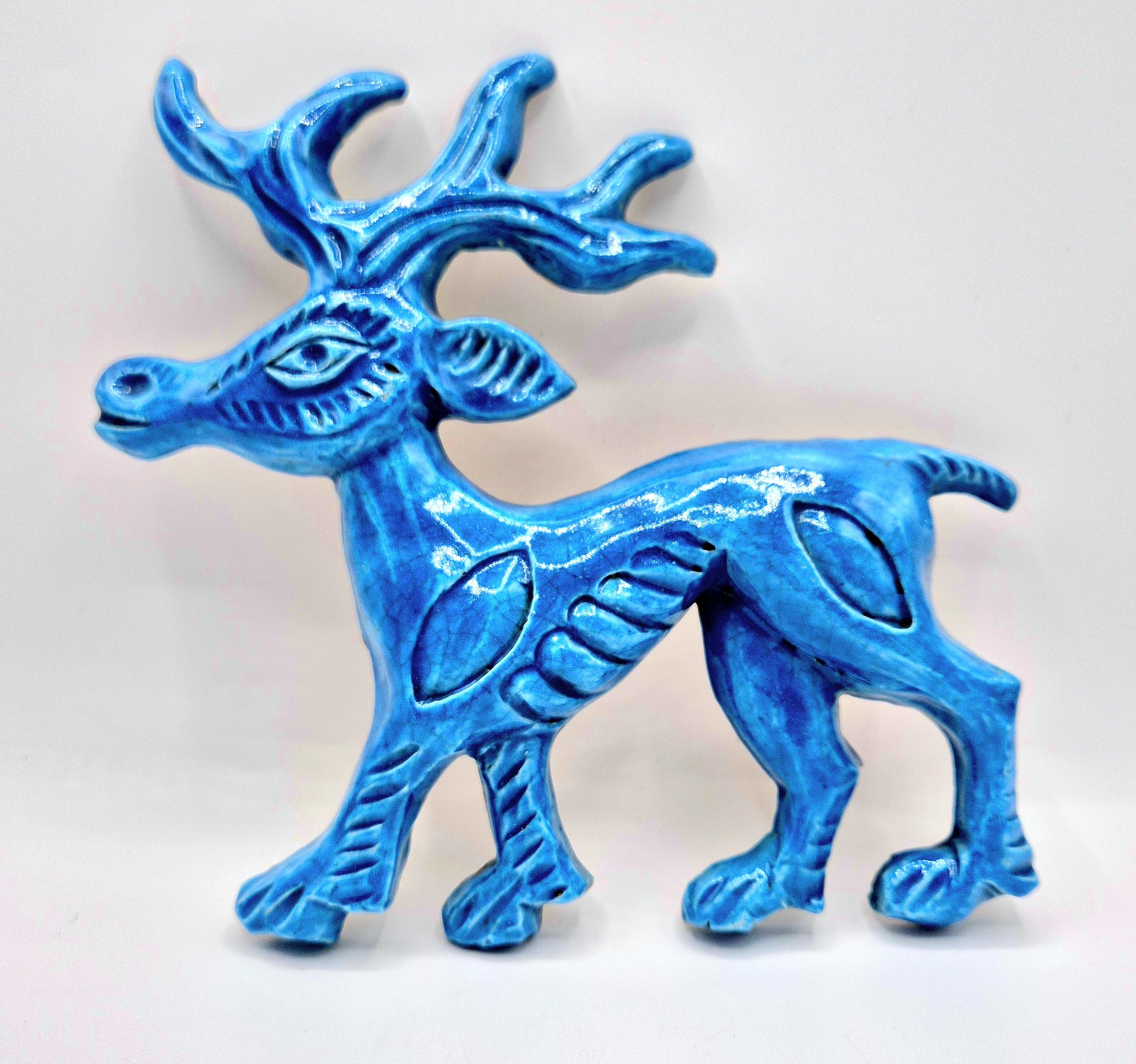
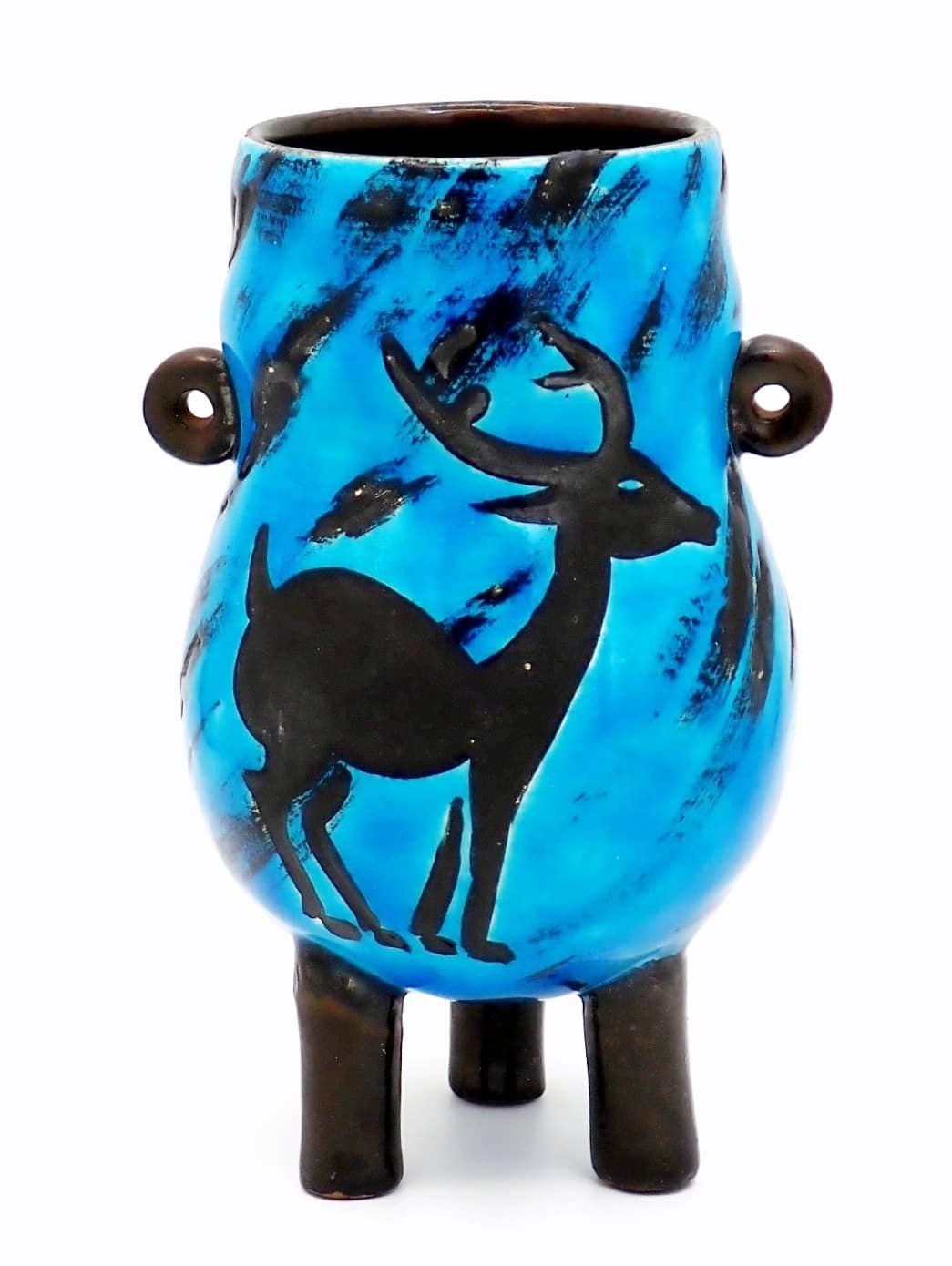
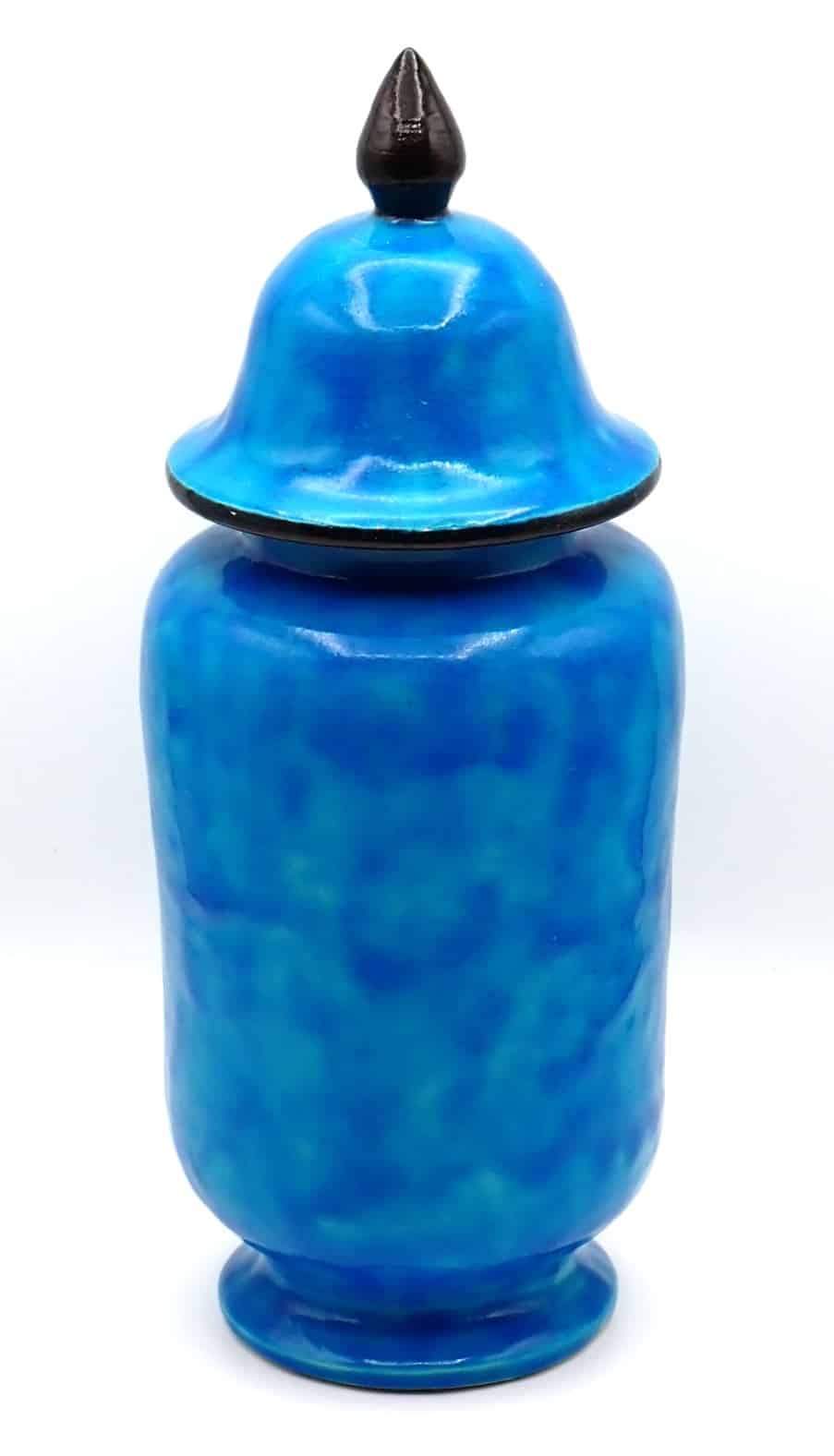
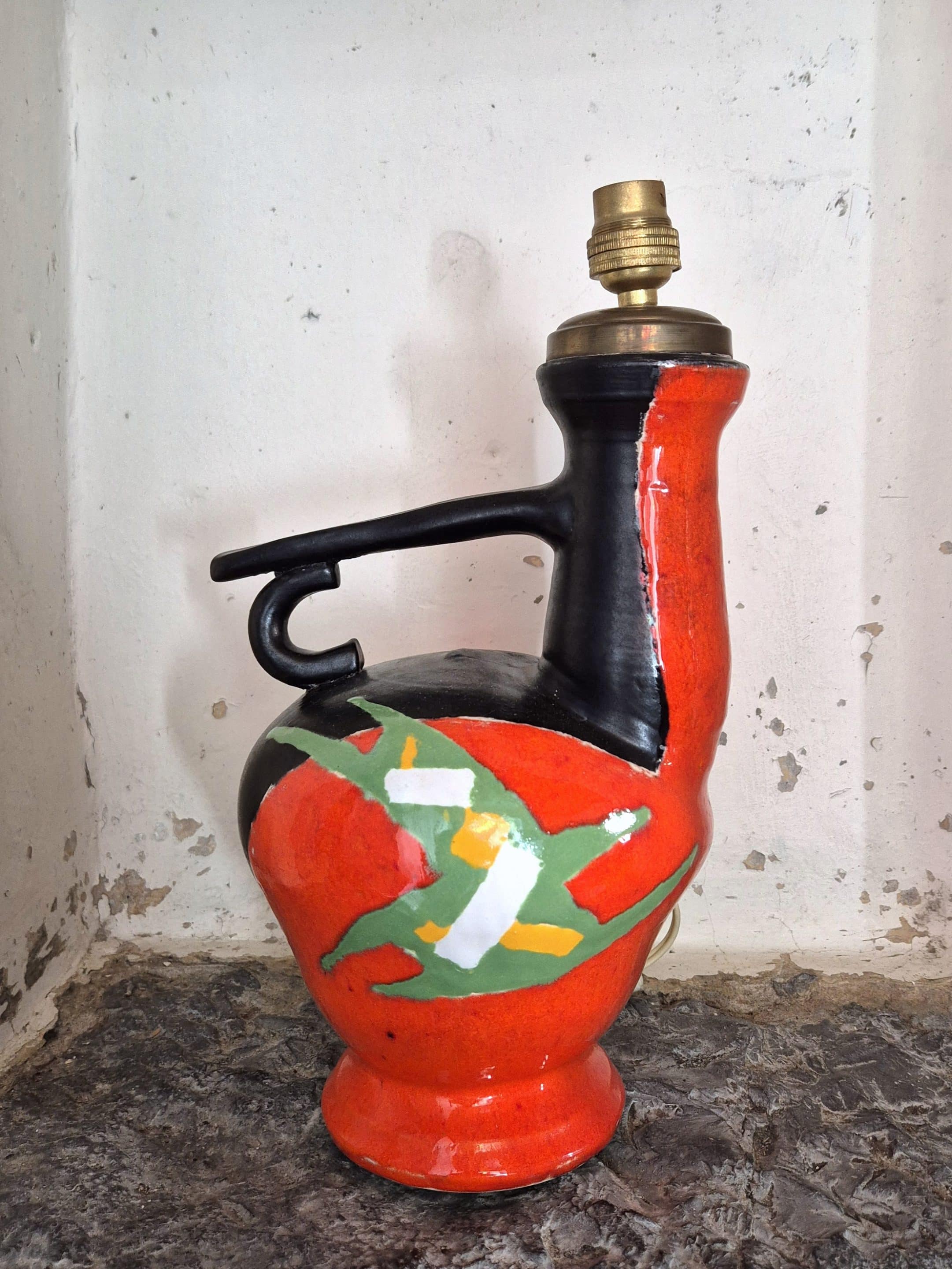
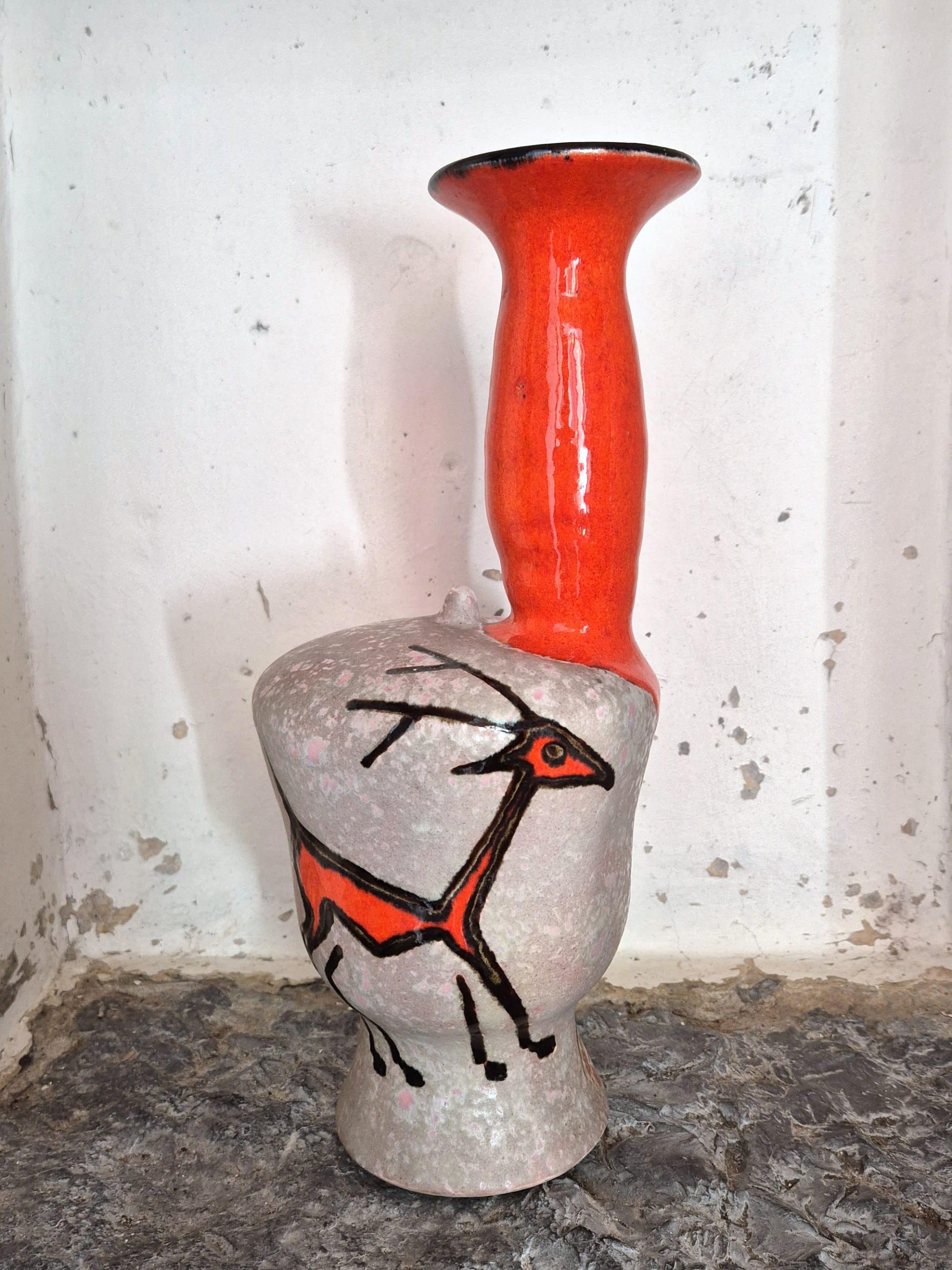
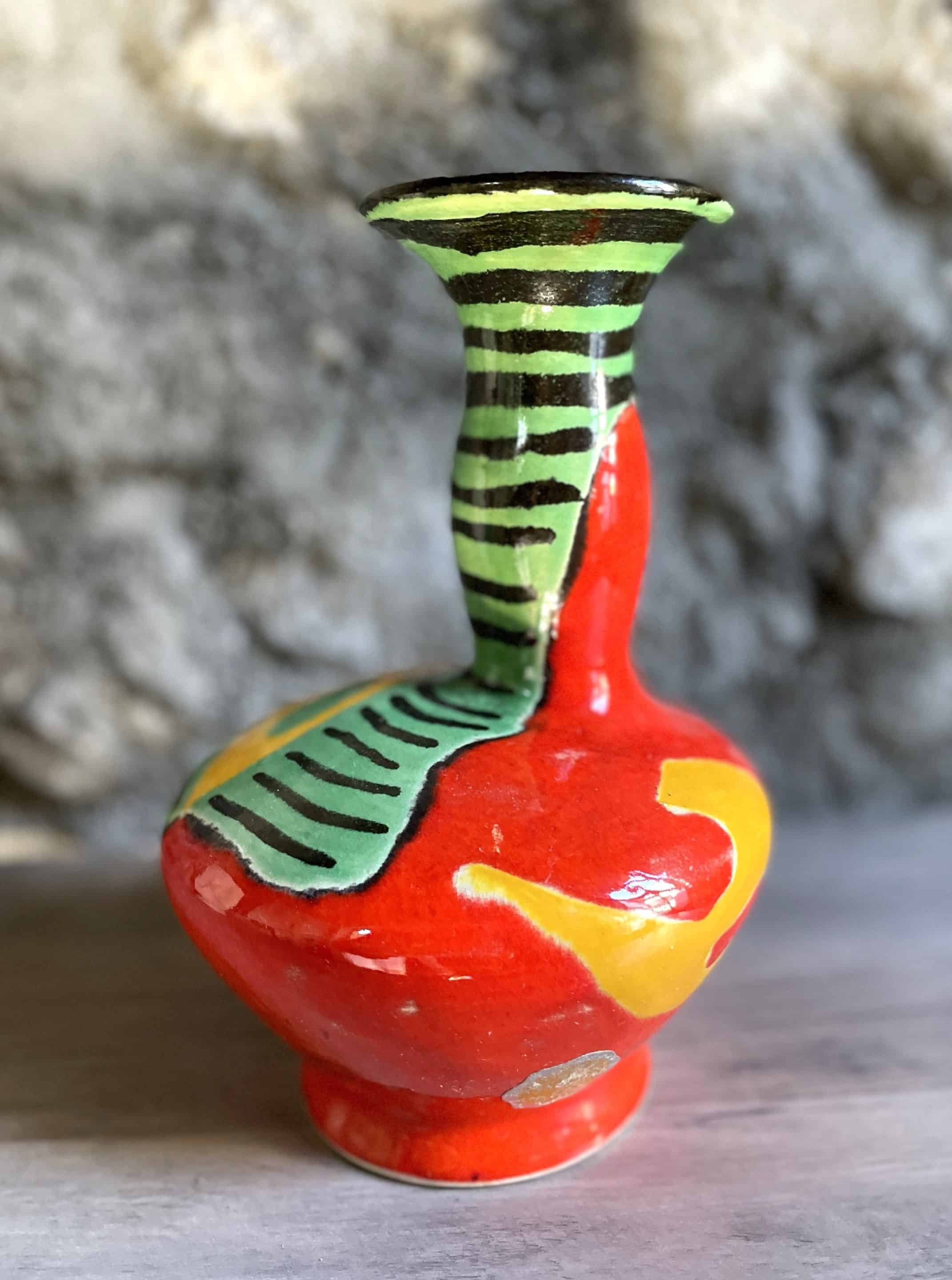
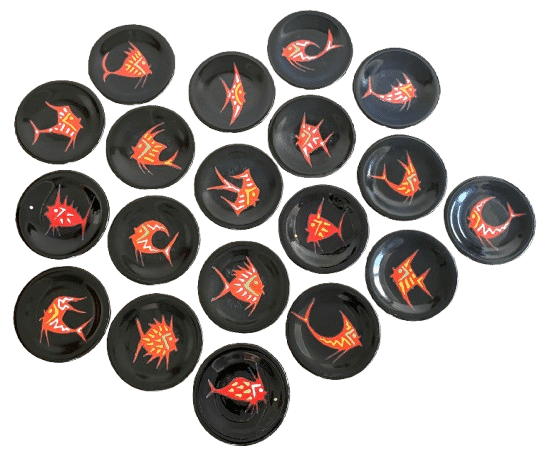
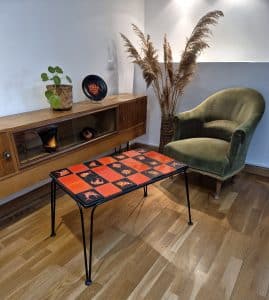
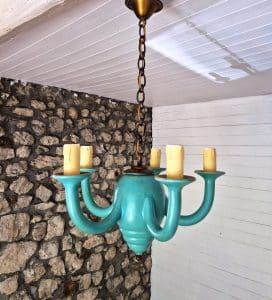
There is also a small production of furniture and luminaires.
In 1972, the curtain shot at the two shops that closed permanently, the Anchierri couple retired.
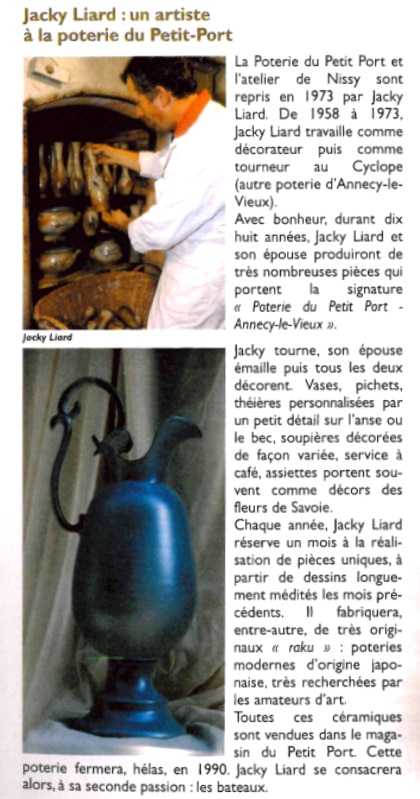
In 1973, the workshop was given to Jacky Liard, a former employee of the nearby workshop "Le Cyclops", who resumed a ceramicist activity with the material purchased in the walls. See Article Here on Jacky Liard, excerpt from the 2003 Ancilevian magazine.