Test time
1972-1987
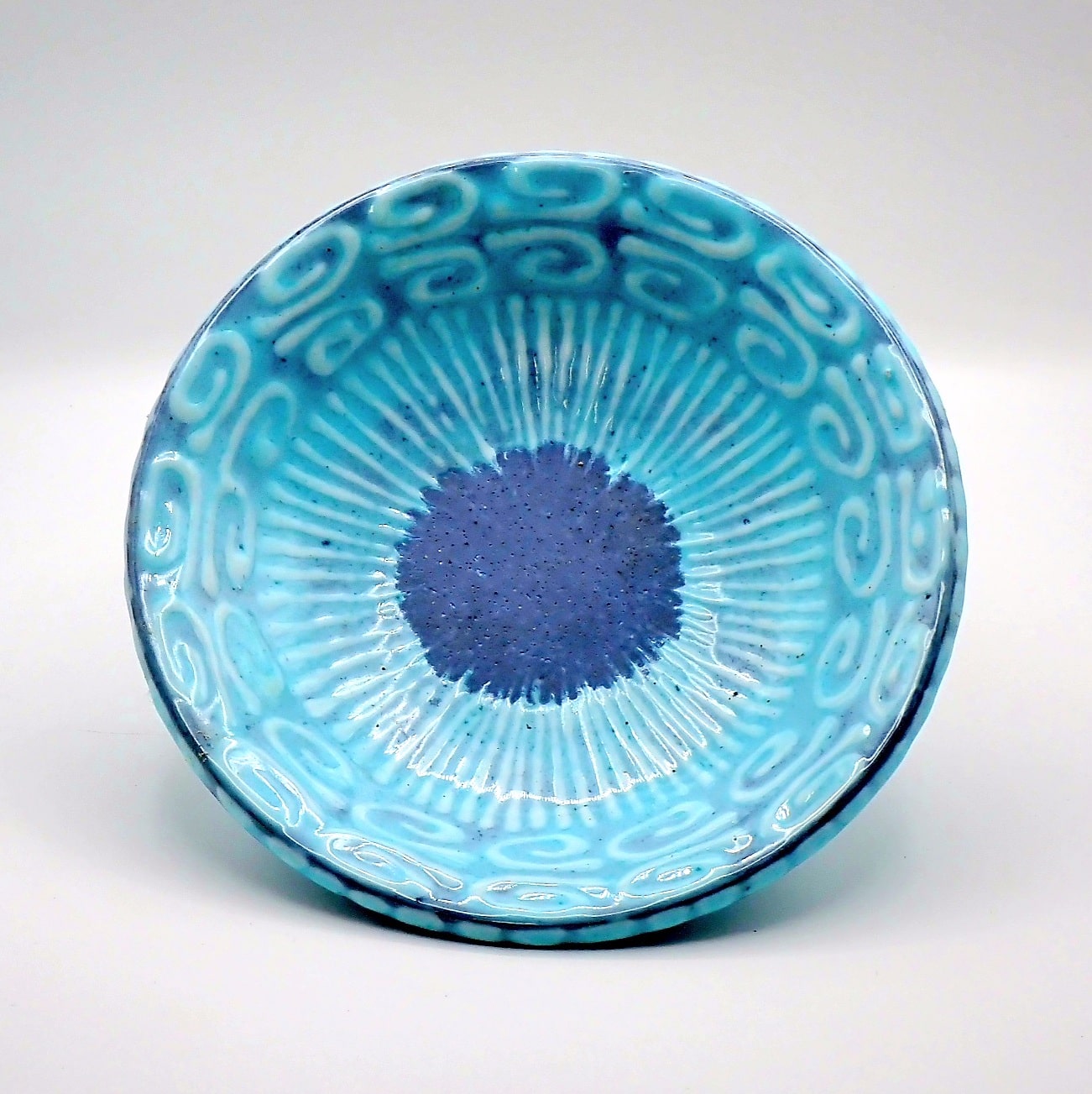
Very quickly, René equips a tower and an electric oven to continue to create and cook, which he will use until the end of his life.
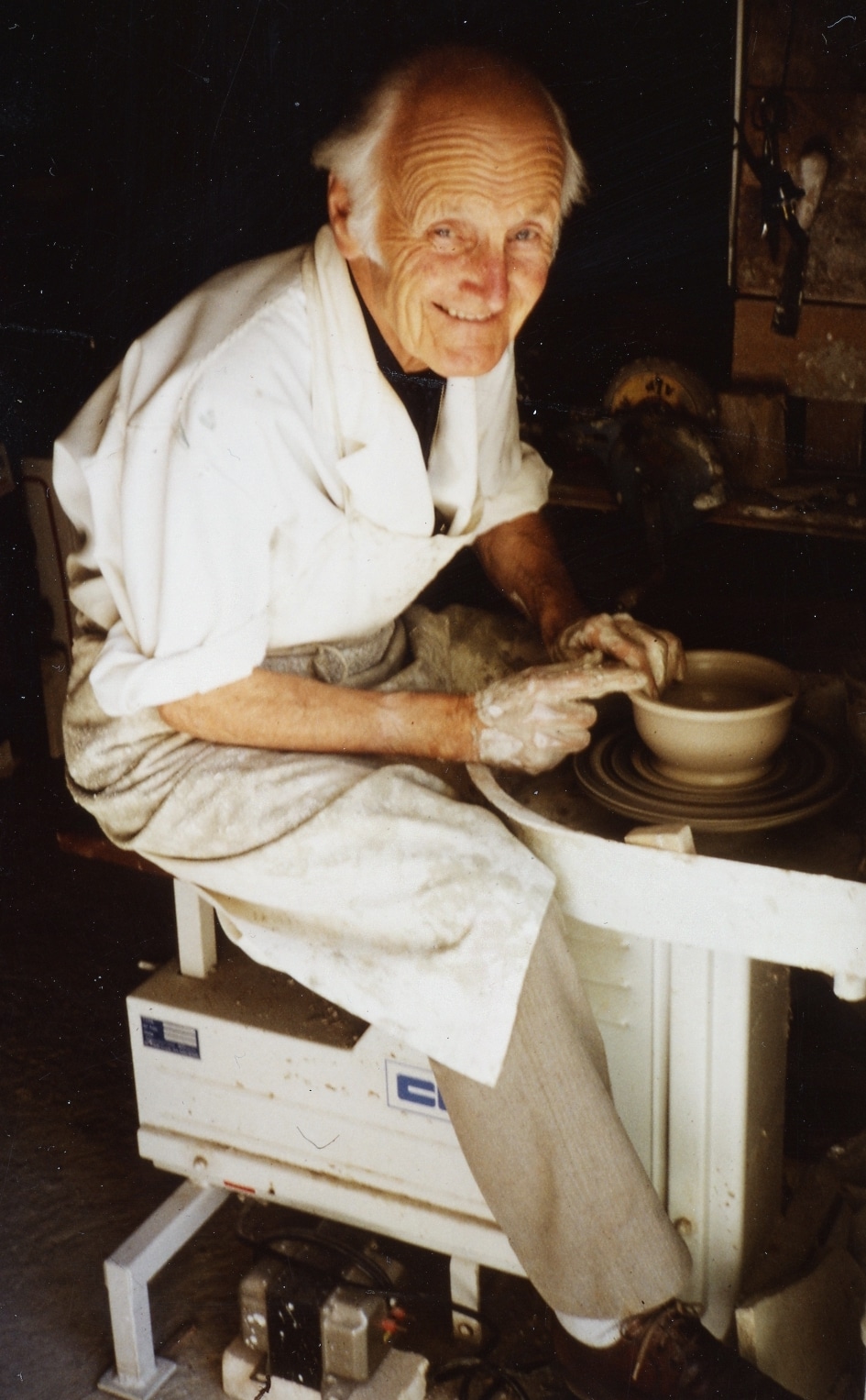 Finally, freed from the obligations of commercial production, from the orders, he can give free rein to his creativity.
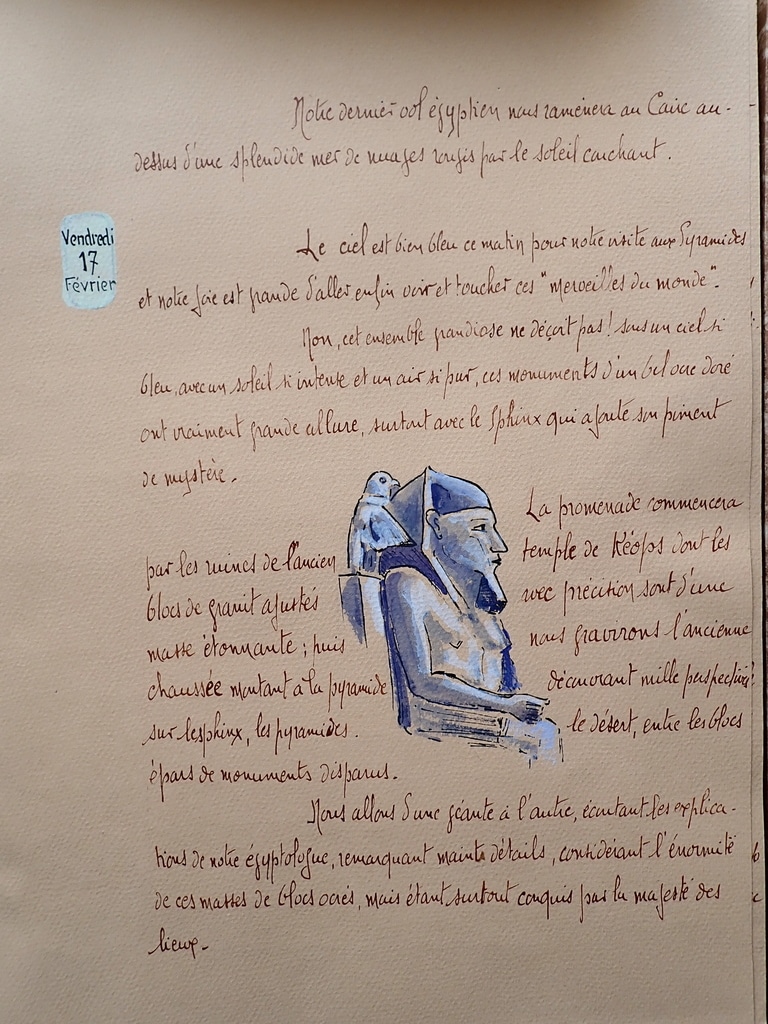
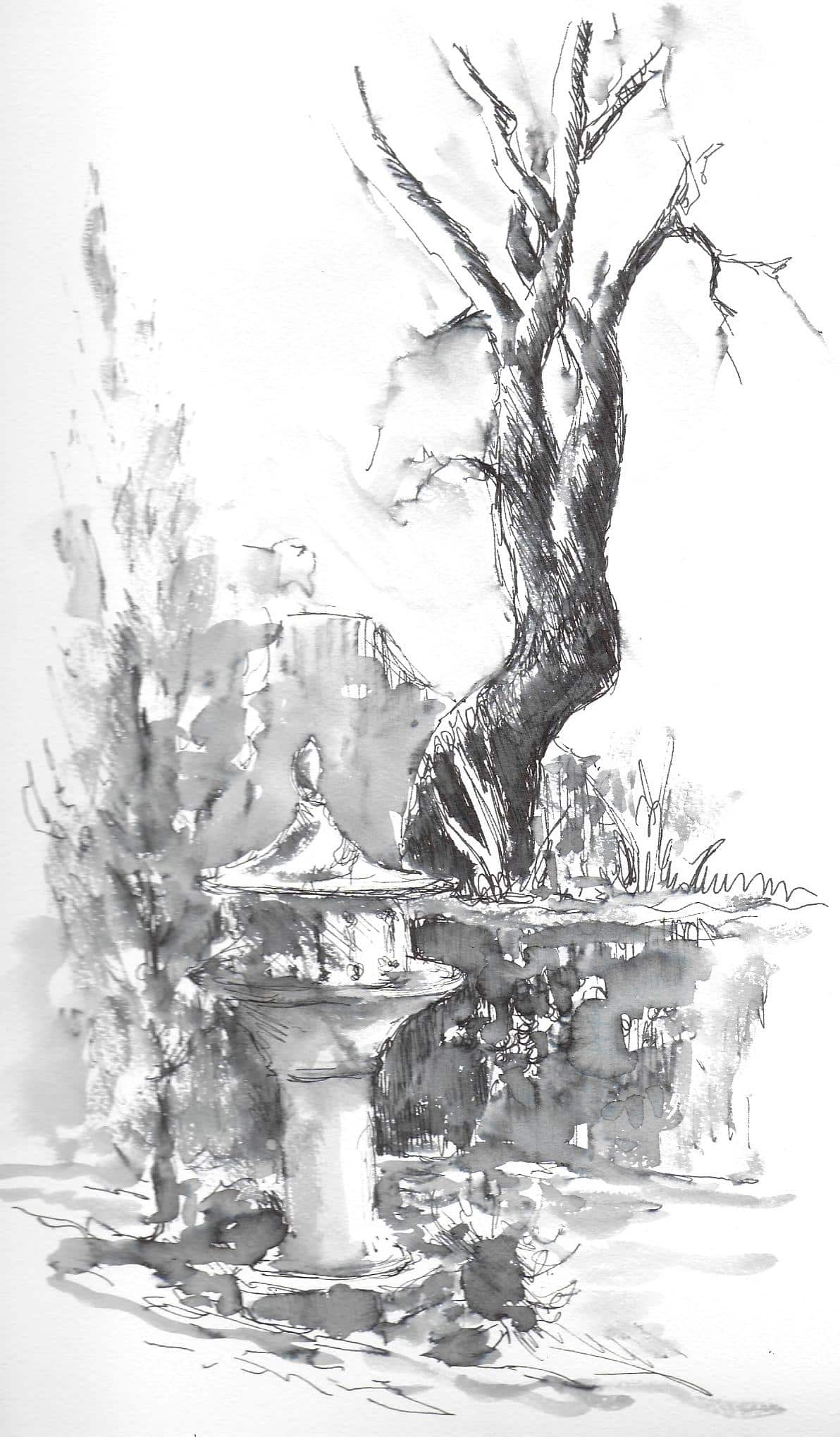
He's gonna In particular, draw inspiration from the many trips that he will make with his wife, now free from all constraints, around the world (Mexico, India, Japan, Jordan, Greece, United States, Canada...). He illustrates his travel logs, like Here Egypt.
These trips are an opportunity for him to discover civilizations and their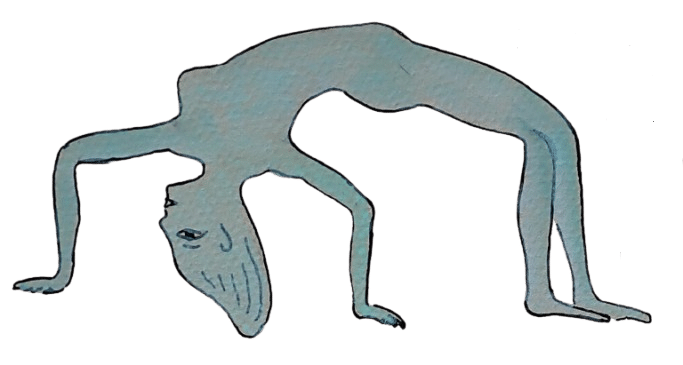 culture through visiting local museums and monuments, which he then translates into his work.
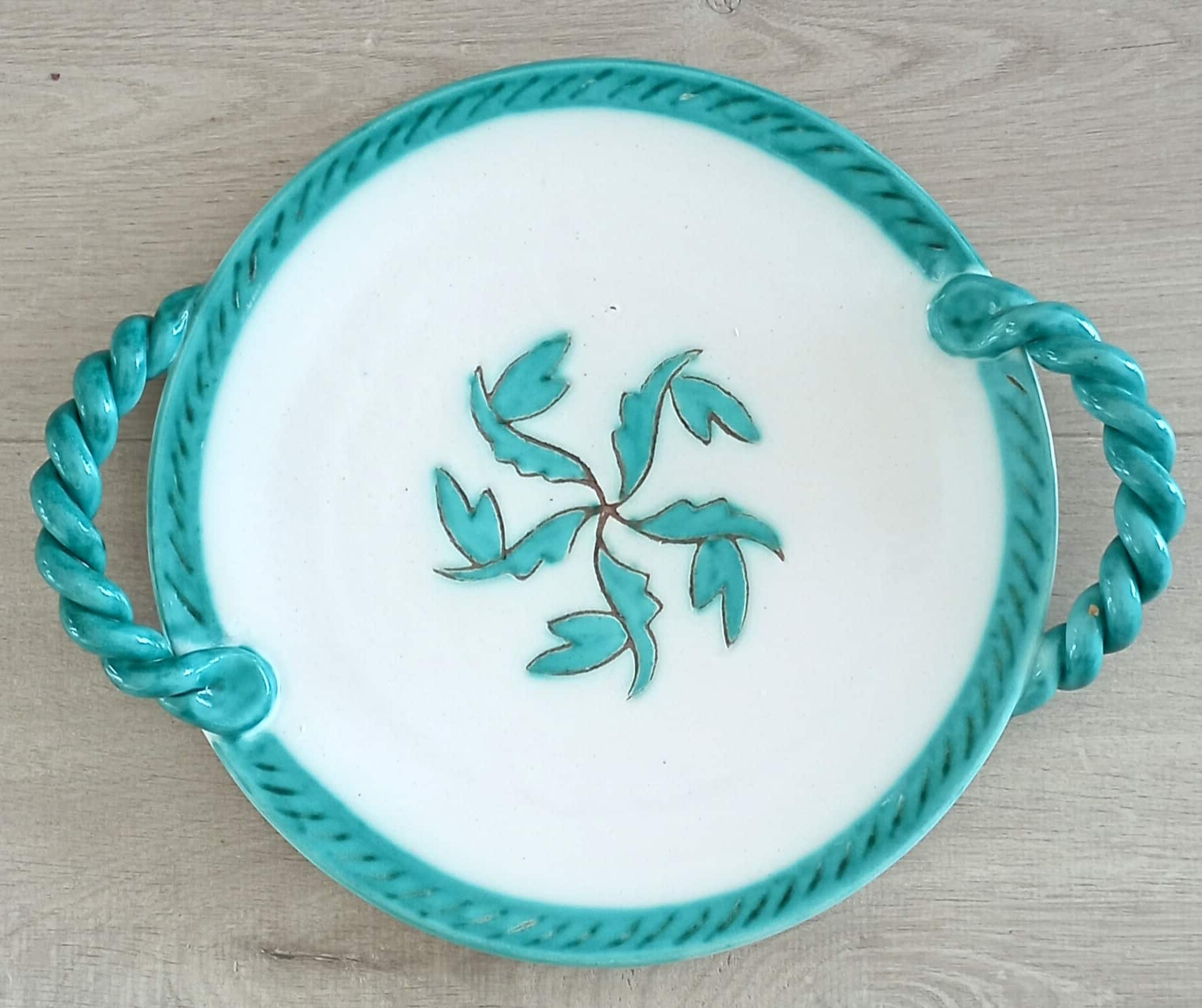
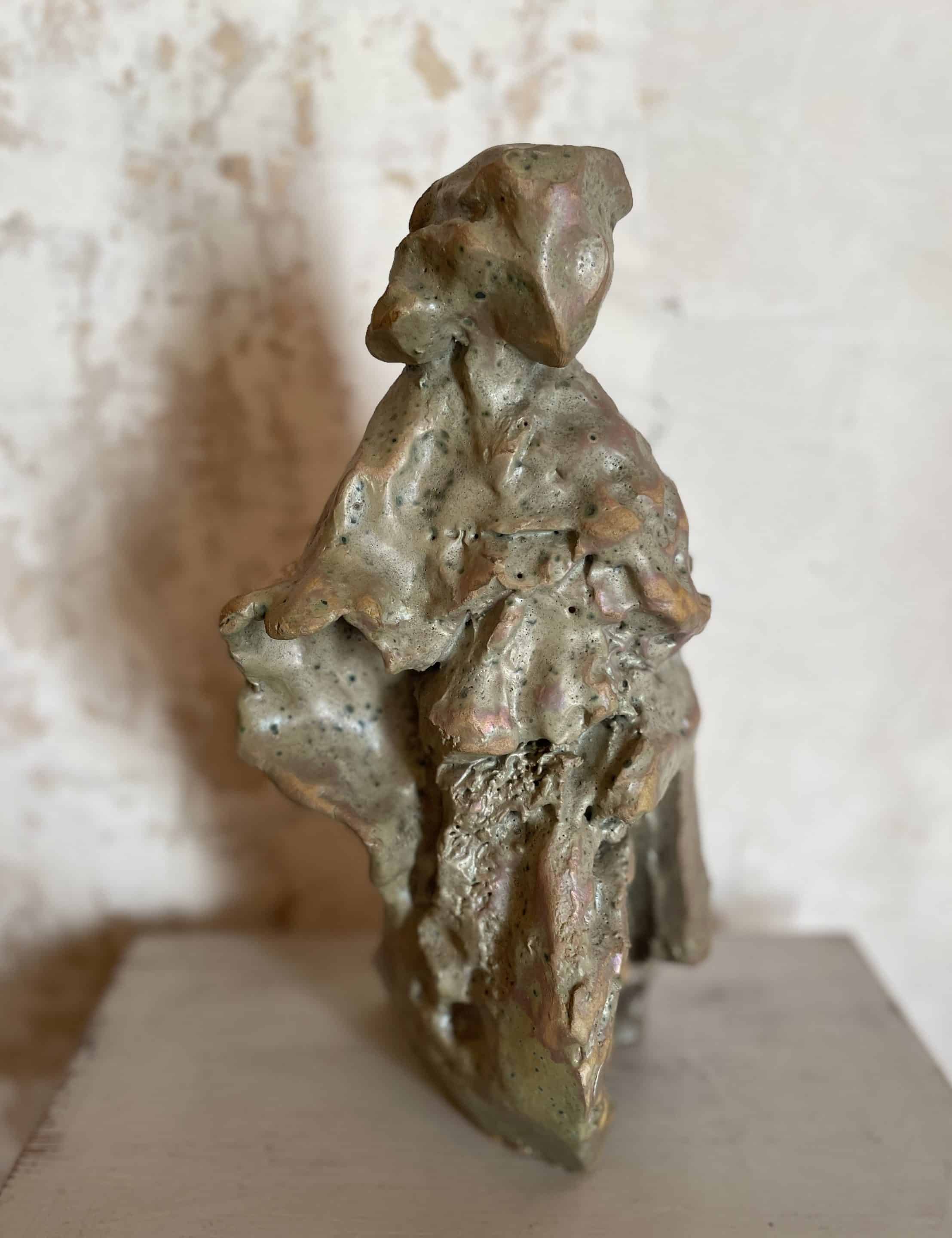
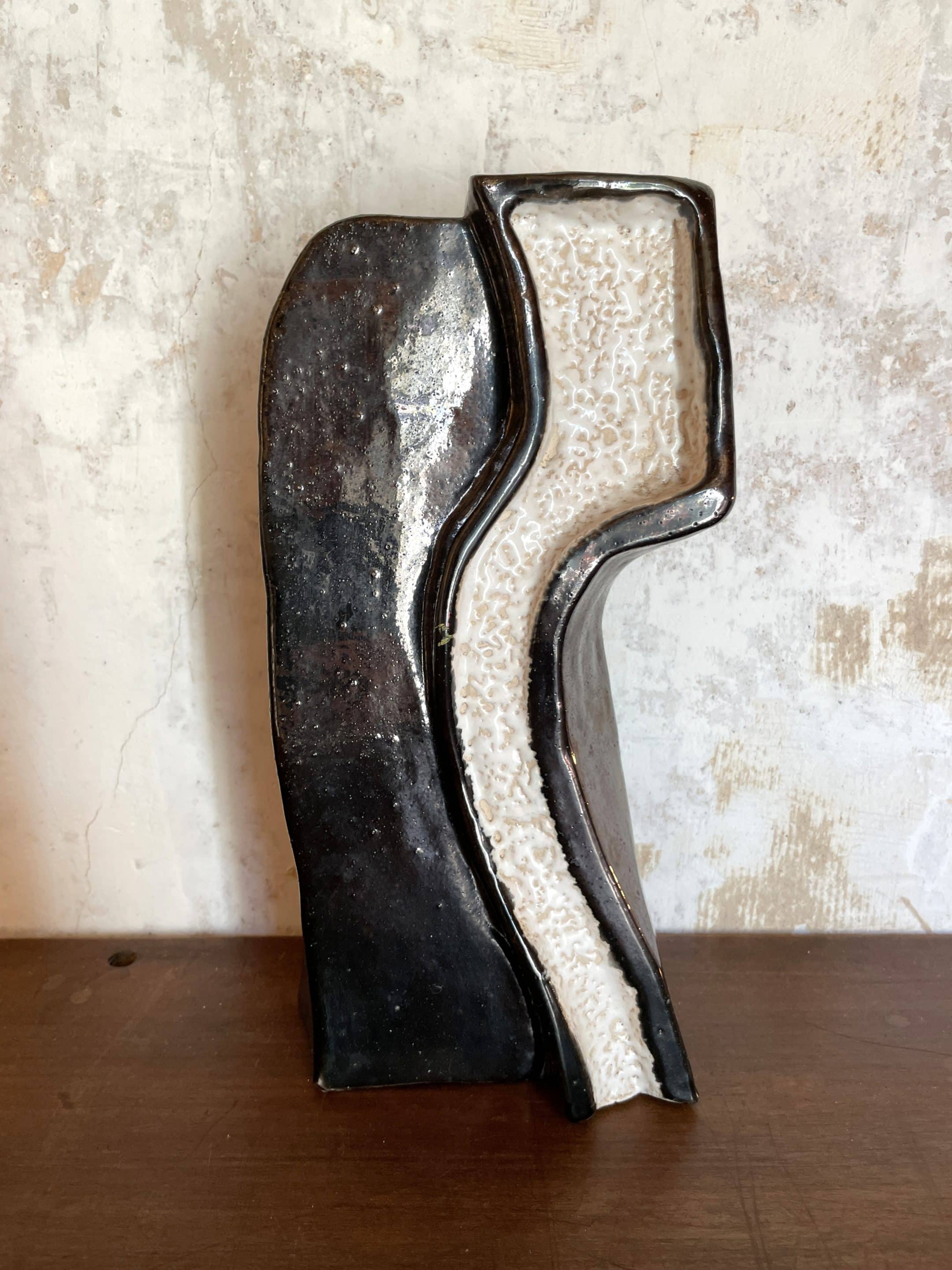
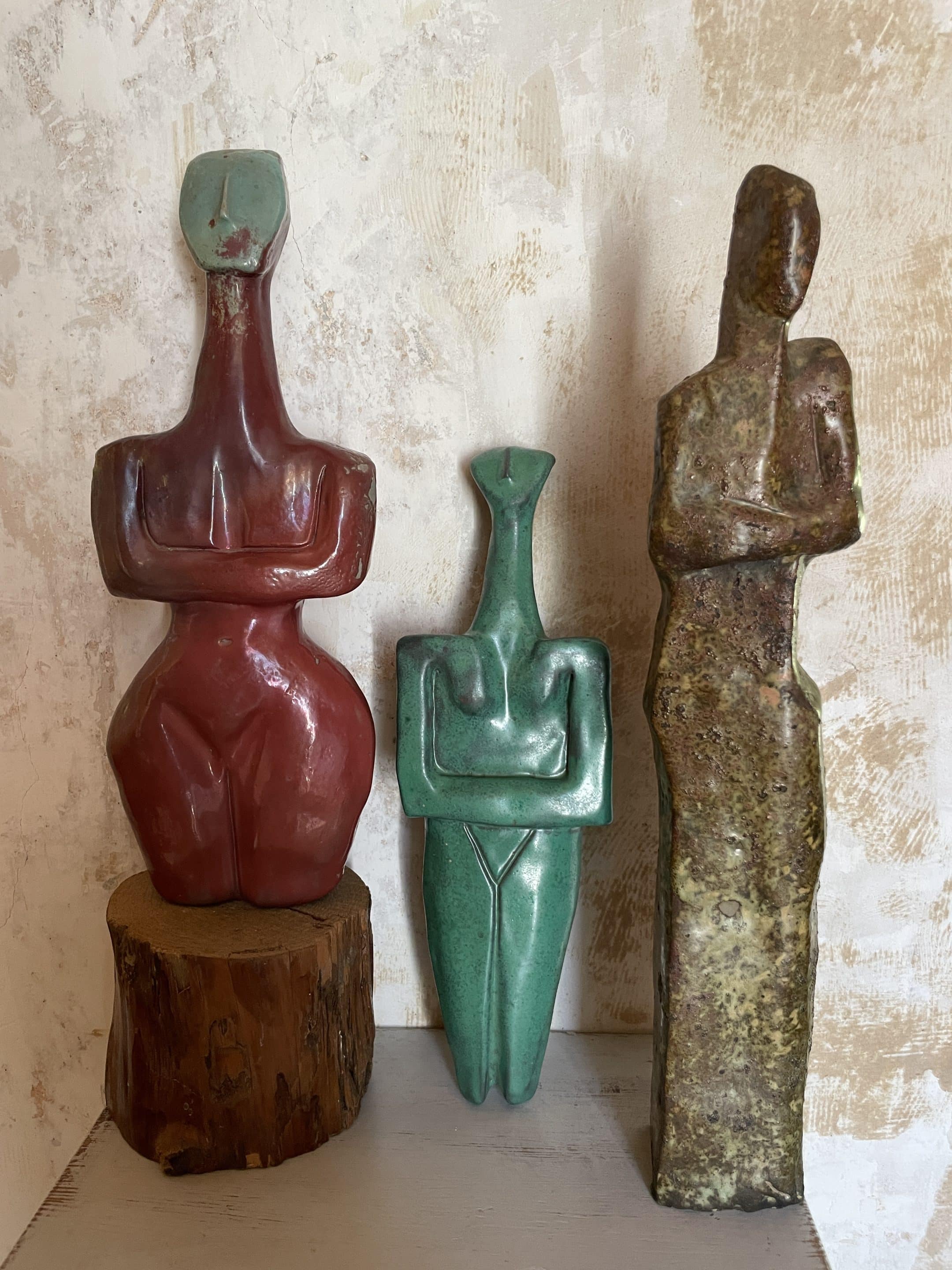
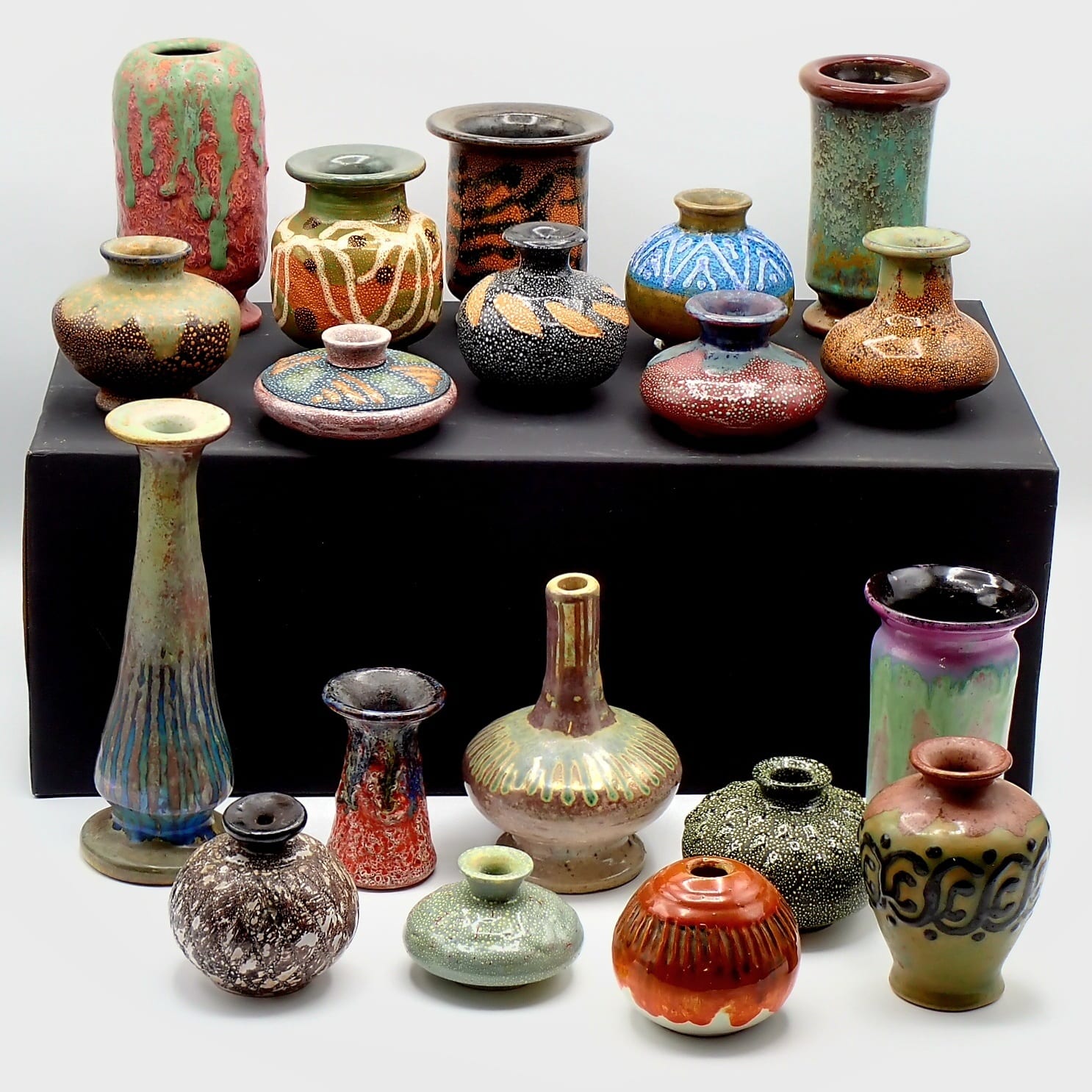
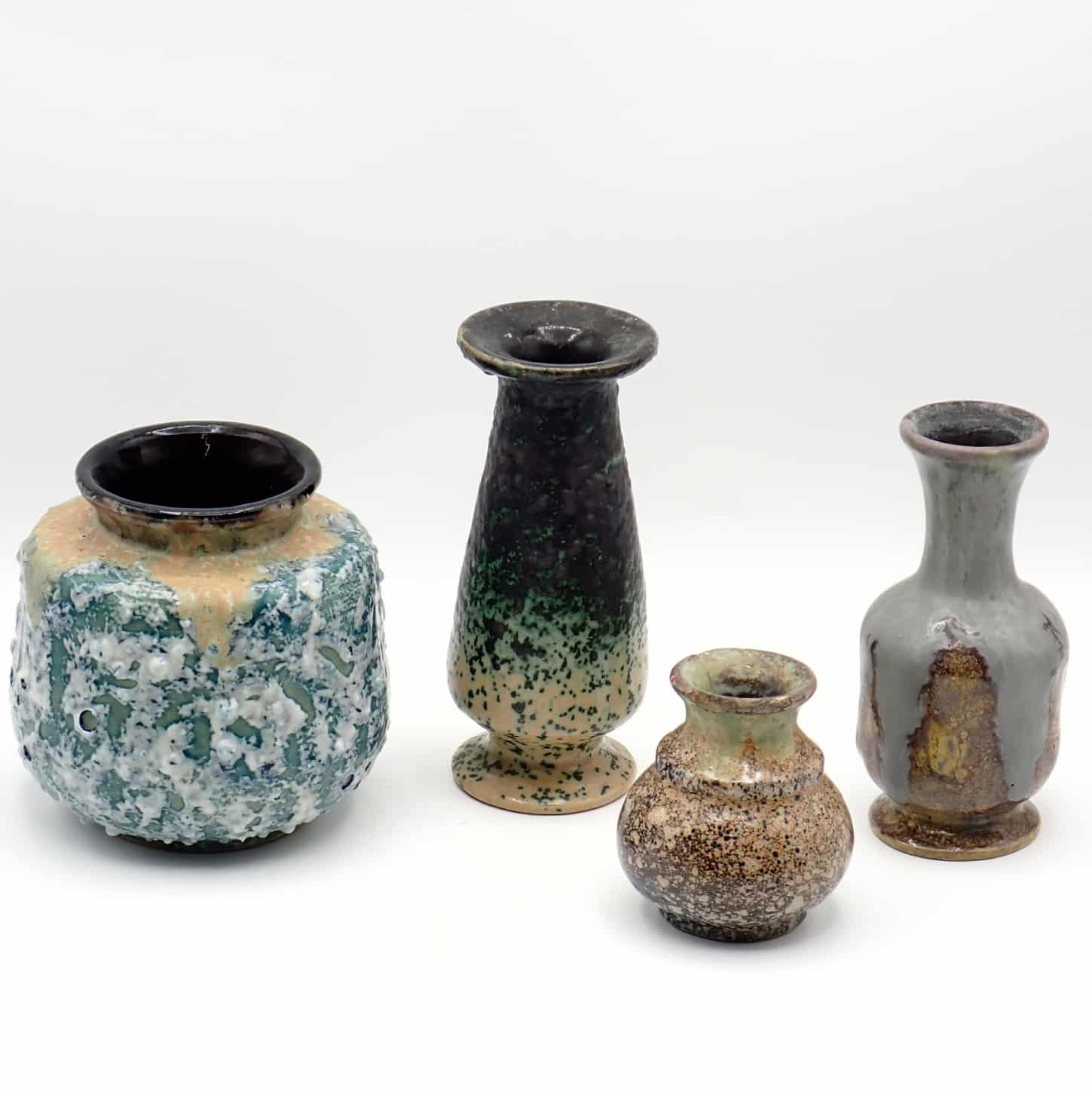
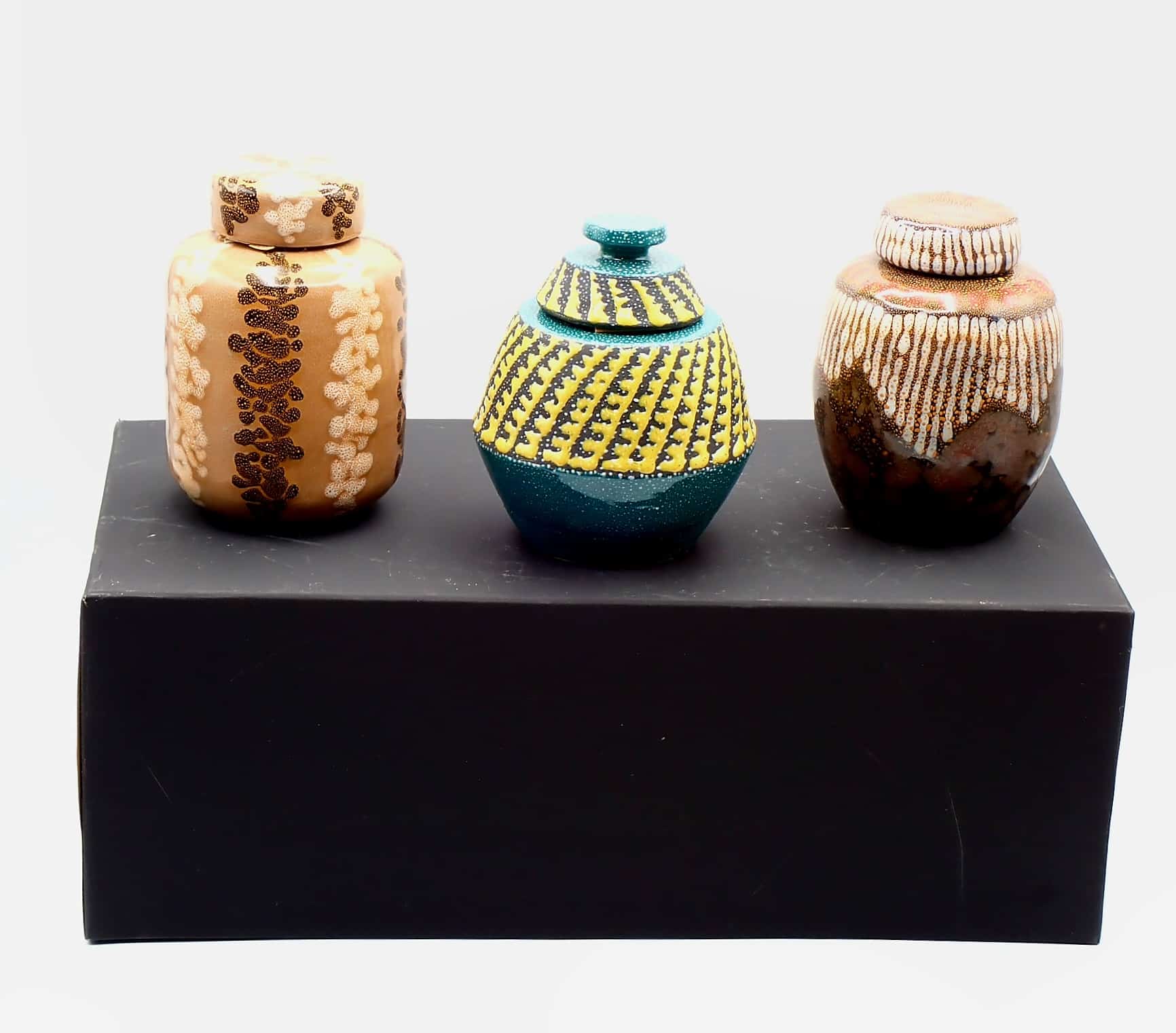
Between 1975 and 1987, he will produce a small production of unique pieces, some are dated and signed AR, not intended for sale. There are also tests, numbered but not signed.
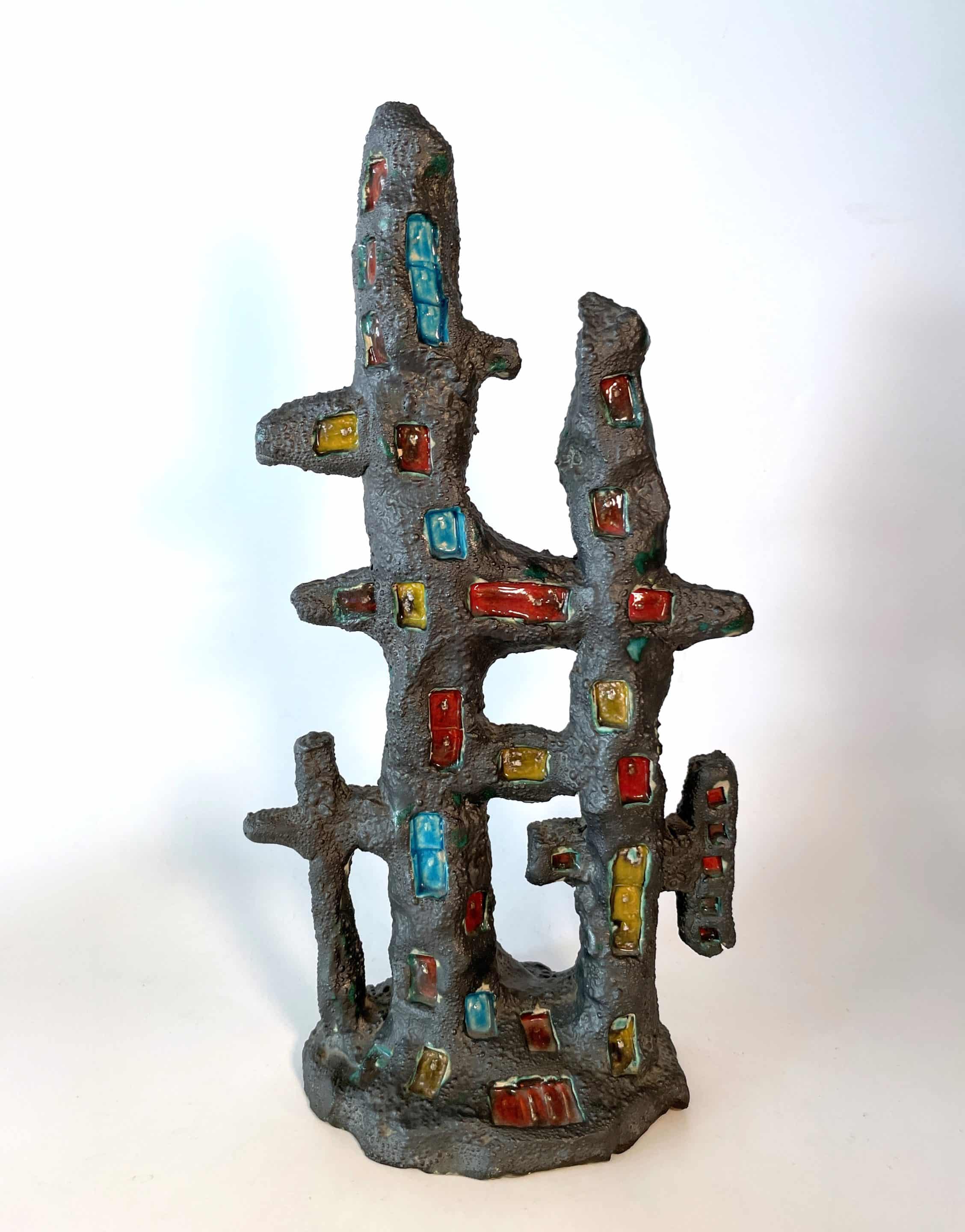
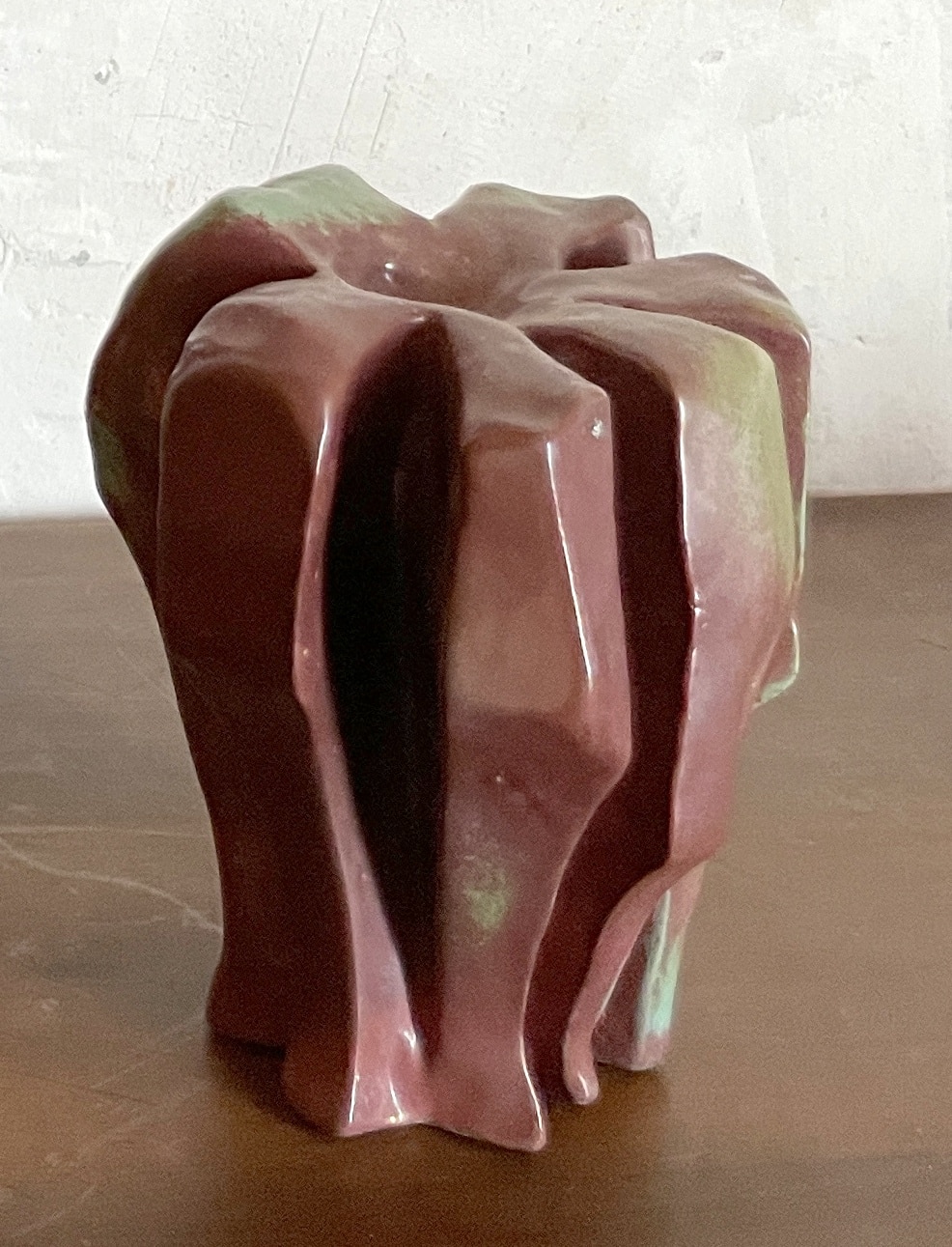
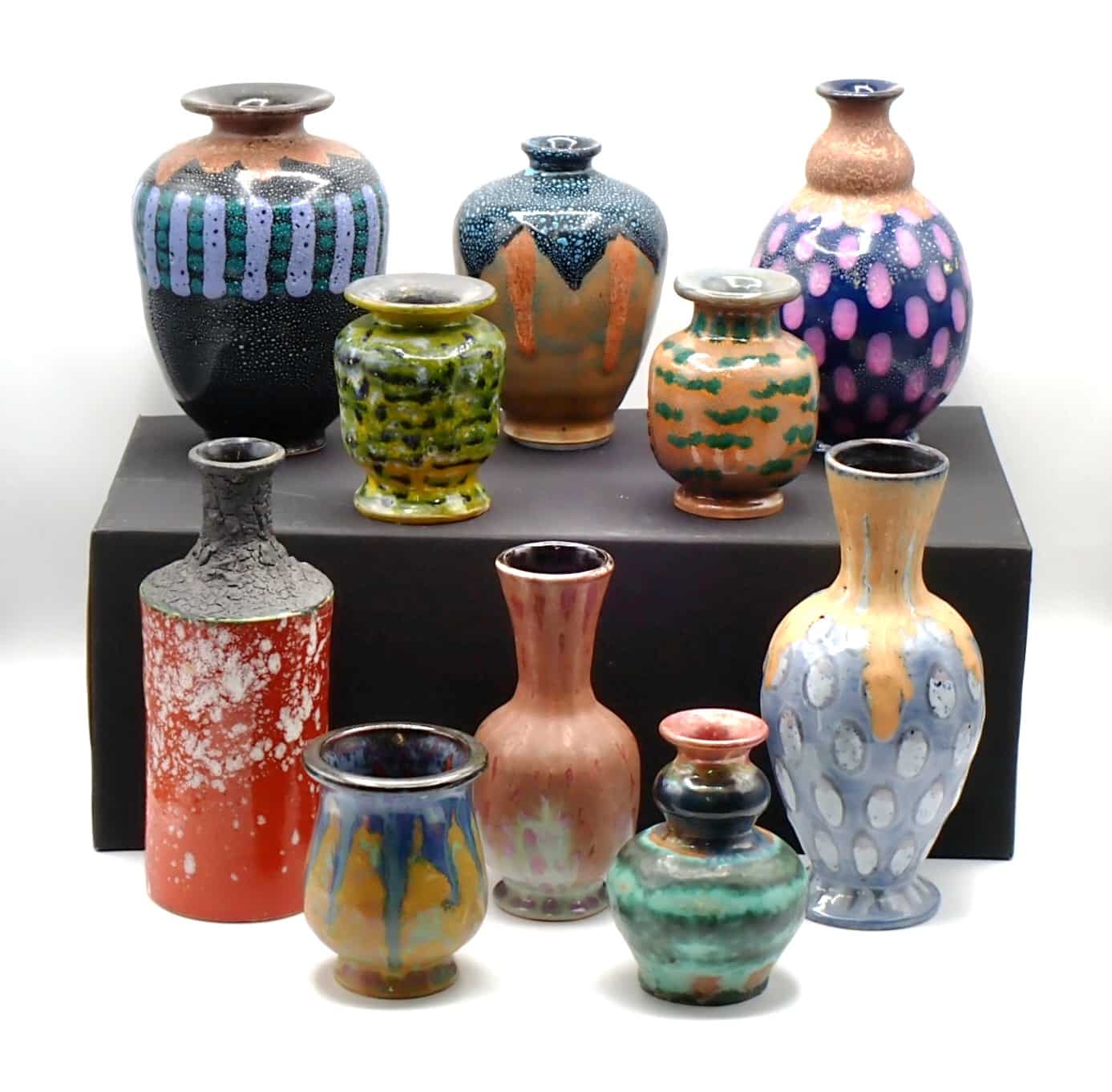
Miniatures from 7 to 12 cm
 Admitted on 26 September 1987 to Vaison-la-Romane hospital after a heart attack, he died the next day at the age of 82.
 René Anchierri spent most of his life behind a tower or desk to draw and paint. Turn worker and potter boss, designer and decorator, small and prosperous industrialist, ceramics was his core business and his core business, the place where he could flourish and accomplish.
Modest and discreet by nature, finding his reward in his art, he only very rarely sought to get into the light, the 60 years he exercised mostly remained in shadow for the general public.
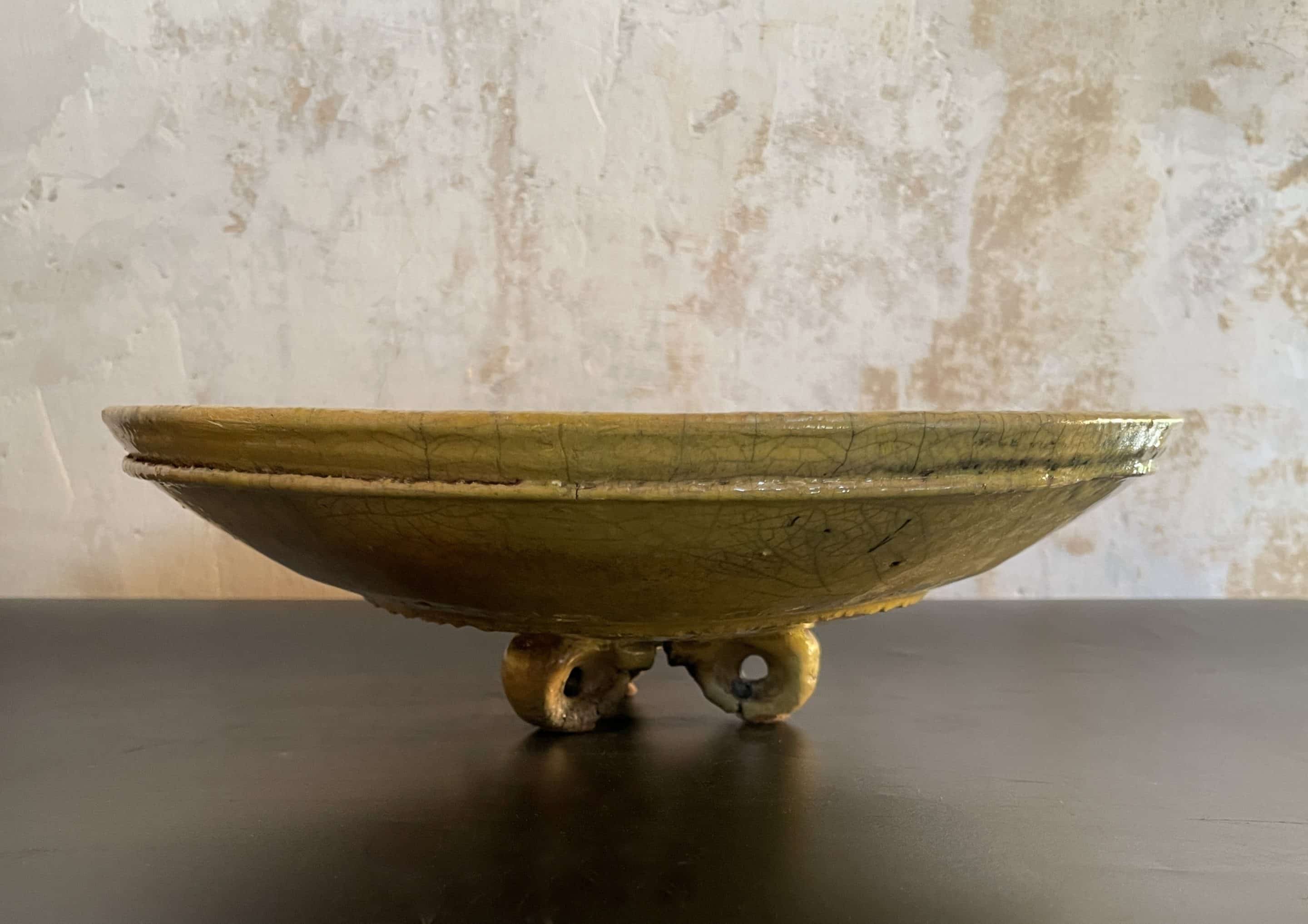
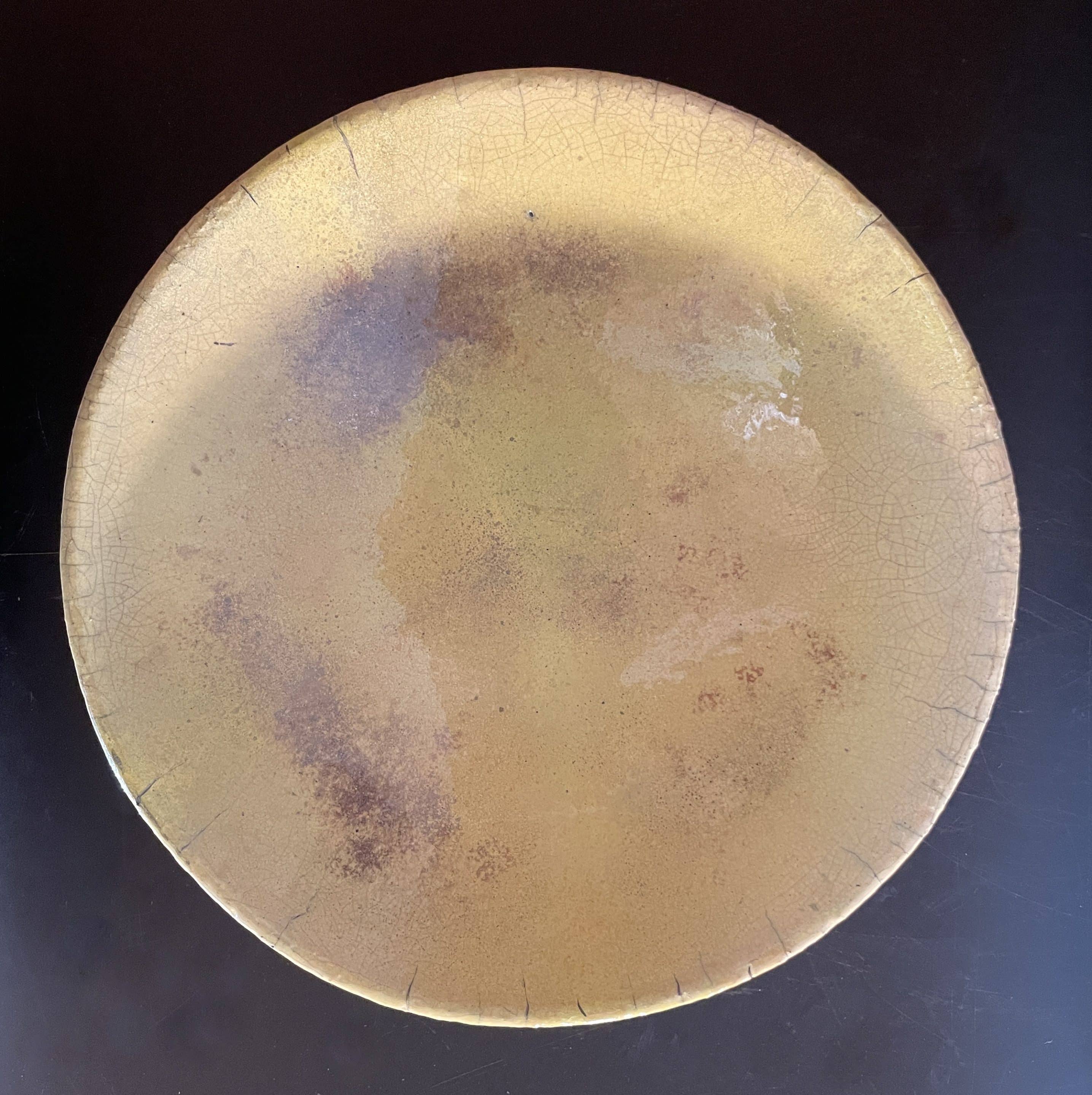
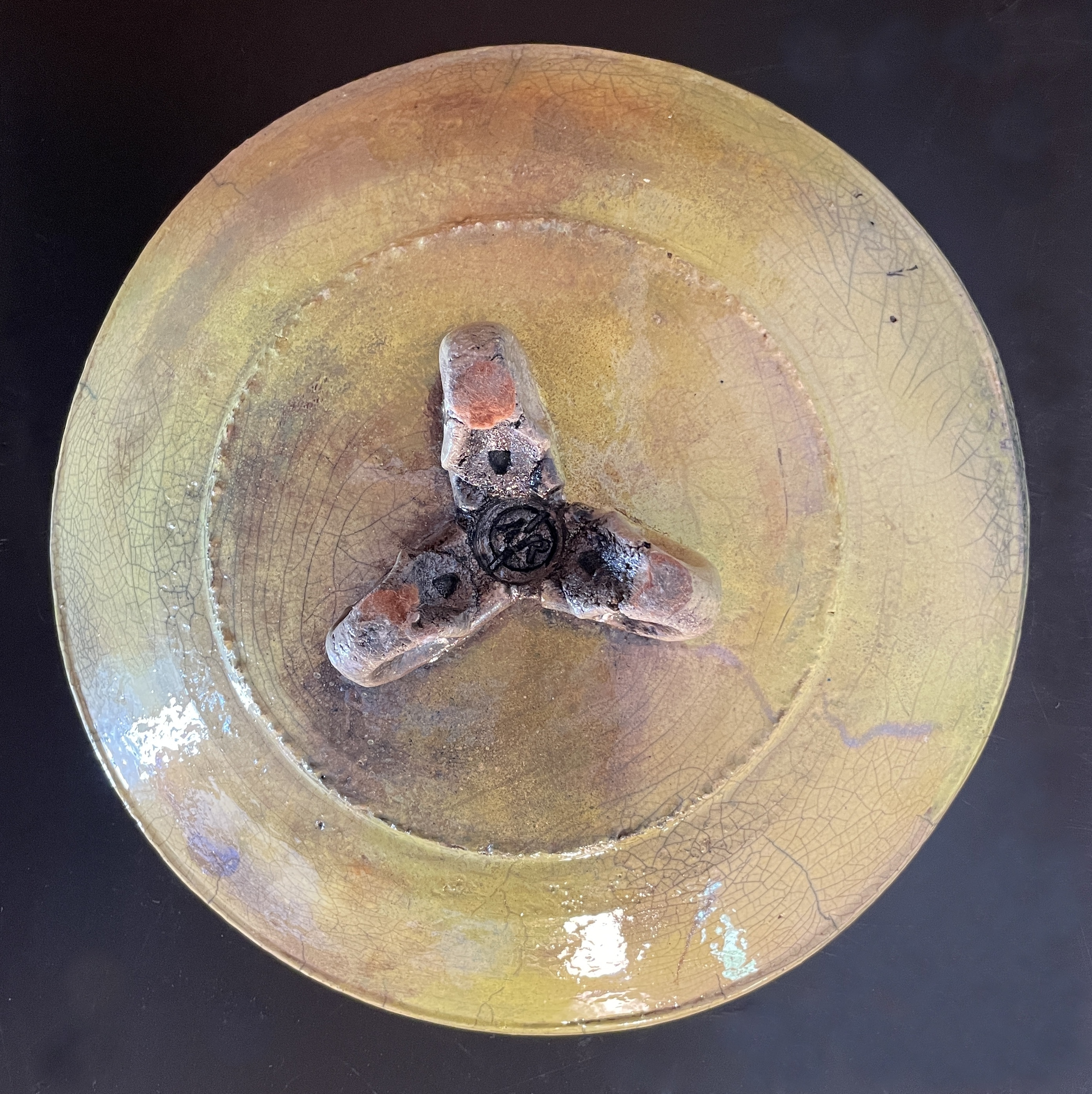
Aware of this injustice, in the early 1990s, his widow tried to challenge cultural institutions, particularly Annecy, to organize a retrospective exhibition on René Anchierri's work. She also made two donations of drawings and ceramics to the museums in Orleans and Annecy in 1992, but her efforts would remain in vain and would not be happy.
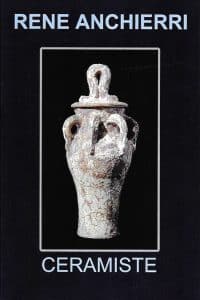 At the same time, their son Peter also pays tribute to his father by designing and publishing a small print of a brochure resuming the highlights of his career, abundantly illustrated with photographs of ceramics. (read Here)
Let us leave the word of the end to one of the people who knew mine, his son Peter:
« Far from the series, my father's creative spirit has brought forth forms that are certainly from tradition, but are constantly renewed by modernity.
For this is the character of his thought: to rely on ancestral knowledge, the beautiful technique learned, to develop innovative research. How many platelets, tests of new chemical mixtures, did I see him come out of an oven whose intakes of air and atmosphere he was savourily changing? Thousands. But it is not only in the magnificence of copper, the brilliance of gold, the matity that we find this spirit. His decorations according to the years inspired by rock motifs, interlaces, abstractions of modern artists, are also marked by his observation of nature transcended by inspiration. Always his « fair measure » between knowledge and imagination. »